
Boils
Natural Remedies

How to Treat a Boil at Home: Remedies, Safety, and Prevention

| Modified on May 30, 2026
Add New Post Comments
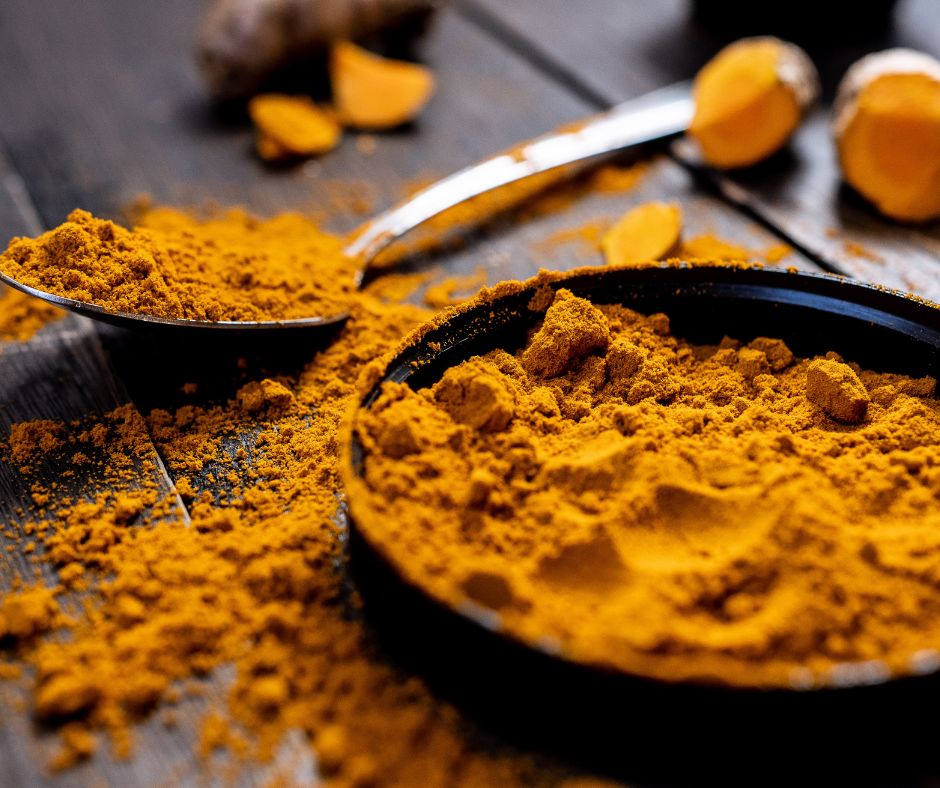
Turmeric, a Natural Remedy for Boil Treatment.

Boils, also called furuncles, are painful skin infections that develop when bacteria infect a hair follicle or oil gland. A boil often starts as a red, tender lump, then becomes swollen, warm, and filled with pus as the infection comes to a head.

Earth Clinic readers have shared home remedies for boils for more than two decades, including warm compresses, turmeric, castor oil, tea tree oil, colloidal silver, garlic, echinacea, baking soda, witch hazel, iodine, drawing salves, hard-boiled egg compresses, bread-and-milk poultices, potato poultices, onion poultices, and the traditional hot bottle suction method.

This guide explains how Earth Clinic readers use natural remedies for boils, how to encourage a boil to come to a head, what to do after a boil drains, when a boil may be MRSA or hidradenitis suppurativa, and when medical care is necessary.

Important Medical Warning

Boils are skin infections. Seek medical care promptly if you have fever, chills, red streaks, rapidly spreading redness, severe pain, diabetes, immune suppression, a boil on the face or groin, suspected MRSA, a boil larger than about 1 inch, or recurring boils.

Do not squeeze, cut, or lance a boil at home. This can push infection deeper, increase scarring, and raise the risk of cellulitis or bloodstream infection.

At a Glance

  • Boils are usually caused by Staphylococcus aureus bacteria.
  • Warm compresses are one of the safest first-line home remedies.
  • Turmeric is one of Earth Clinic's most discussed internal and topical remedies for boils.
  • Castor oil is often used in packs, pastes, and drawing-style applications.
  • Traditional kitchen poultices include hard-boiled egg compresses, bread-and-milk poultices, raw potato, and onion.
  • The hot bottle suction method is a classic folk remedy but must be used with caution to avoid burns or tissue injury.
  • Tea tree oil must be diluted before applying to skin.
  • Recurring boils may involve MRSA, Staph carriage, friction, blood sugar issues, or hidradenitis suppurativa.
Earth Clinic Experience:

For more than two decades, Earth Clinic readers have reported success with natural remedies for boils, including turmeric, warm compresses, castor oil, tea tree oil, garlic, colloidal silver, Epsom salt, drawing salves, egg compresses, onion poultices, and other traditional methods. Reader reports are anecdotal, but they show common real-world patterns: reducing pain, softening the skin, encouraging a boil to come to a head, and supporting drainage without squeezing.

What Are Boils?

A boil is a localized skin infection that begins around a hair follicle. It may start as a tender red bump and gradually become larger, more painful, and filled with pus.

Common signs of a boil include:

  • A painful red lump
  • Swelling and warmth
  • A white or yellow center
  • Throbbing pressure
  • Pus drainage once the boil opens
  • Tenderness when sitting, walking, or wearing tight clothing

Boils can occur almost anywhere, but they are common in areas with friction, sweat, hair follicles, and skin folds, such as the buttocks, inner thighs, groin, armpits, and neck.

When to See a Doctor

Many small boils improve with warm compresses and careful hygiene. However, some boils require medical treatment, especially if the infection is spreading or located in a high-risk area.

Get Medical Care Promptly If:

  • The boil is on the face, nose, lip, spine, breast, groin, genitals, or near the anus.
  • You have fever, chills, nausea, or feel ill.
  • You see red streaks extending from the boil.
  • The boil is larger than about 1 inch, very painful, or rapidly growing.
  • You have diabetes, poor circulation, immune suppression, or cancer treatment.
  • The boil keeps coming back.
  • Several boils appear at once.
  • The boil does not improve after several days of home care.

Can You Get Rid of a Boil Overnight?

A true boil usually does not disappear in one night. A boil is an infection under the skin, and the body often needs time to bring it to a head, drain, and heal.

What may happen overnight:

  • Pain and throbbing may decrease.
  • The boil may soften.
  • A visible head may form.
  • Warm compresses may encourage drainage.

What should not happen overnight:

  • Forcing the boil open by squeezing
  • Lancing it with a needle or blade at home
  • Digging for the core
  • Using harsh chemicals on broken skin

If a boil becomes dramatically worse overnight, seek medical care.

How Do You Know a Boil Is Coming to a Head?

Readers often describe the most painful phase of a boil as the period right before it opens. A boil may be coming to a head when pressure becomes more localized and a white or yellow center begins to form.

Common signs include:

  • A visible white, yellow, or pale center
  • Softer skin over the top of the boil
  • A more defined point instead of deep, hard swelling
  • Throbbing pressure that feels closer to the surface
  • A small amount of fluid or blood appearing on gauze
  • Sudden pain relief once drainage begins

The goal is to allow natural drainage, not to force it. Squeezing can push infection deeper and increase the risk of spreading infection.

Warm Compress for Boils

A warm compress is one of the safest and most widely recommended home remedies for boils. It helps increase circulation, soften the skin, reduce pressure, and encourage the boil to drain naturally.

How Readers Use Warm Compresses

  • Soak a clean cloth in warm water.
  • Wring it out so it is damp but not dripping.
  • Apply to the boil for 10 to 15 minutes.
  • Repeat 3 to 4 times daily.
  • Use a fresh clean cloth each time.

The compress should be warm, not hot enough to burn. This is especially important for private areas, buttocks, and sensitive skin.

Turmeric for Boils

Turmeric is one of the most popular boil remedies on Earth Clinic. It contains curcumin, a compound studied for anti-inflammatory and antimicrobial properties.

Internal Turmeric

Readers often describe taking turmeric internally at the first sign of a boil. Common forms include turmeric powder in warm water, turmeric capsules, turmeric tea, or golden milk. Some readers add black pepper or a small amount of fat to support absorption.

Turmeric Paste

Turmeric is also used topically as a paste. Readers may mix turmeric powder with water, honey, aloe vera, castor oil, or coconut oil and apply it externally to the boil area under gauze.

Turmeric + Castor Oil

Turmeric and castor oil are a popular pairing because castor oil helps the turmeric stick to the skin and stay moist longer than a water-based paste.

Timeline Readers Report

Some readers report that pain and throbbing improve first, followed later by softening, a visible head, and drainage. Results vary depending on the size, location, and severity of the boil.

Turmeric Stains

Turmeric stains skin, clothing, towels, bedding, counters, and sinks yellow-orange. Use old towels and protect bedding if applying turmeric paste overnight.

Turmeric should not be packed into open wounds or used as the only treatment for suspected MRSA or severe infection.

Castor Oil for Boils

Castor oil is a classic Earth Clinic-style remedy for boils, cysts, and other painful lumps. Readers often use it to soften skin, reduce irritation, and encourage natural drainage.

Castor Oil Pack

Apply castor oil to a clean piece of gauze or cloth and place it externally over the boil. Cover with another layer of gauze or a loose bandage to protect clothing. Some readers add gentle warmth over the pack.

Castor Oil + Turmeric

Mix turmeric powder with enough castor oil to form a thick paste. Apply externally, cover with gauze, and protect clothing from stains.

Castor Oil + Baking Soda

Some readers mix castor oil with a small amount of baking soda to make a drawing-style paste. This can irritate sensitive skin, so use cautiously and avoid open wounds or private areas.

Castor oil should be used externally only. Do not pack it into an open boil or deep abscess cavity.

Hot Bottle Suction Method

The hot bottle suction method is an old folk remedy used to draw a boil to a head or encourage drainage. It involves warming a glass bottle with hot water, emptying it, and placing the mouth of the bottle around the boil so gentle suction forms as the air cools.

Readers historically use this method because it combines heat and suction. However, it requires caution.

Hot Bottle Method Safety

  • Do not use boiling-hot glass on skin.
  • Test the bottle temperature carefully before contact.
  • Do not use this method on the face, groin, breast, spine, or private areas.
  • Do not use on open, bleeding, or draining wounds.
  • Do not use on children, fragile skin, diabetic skin, or areas with poor sensation.
  • Stop immediately if pain, bruising, blistering, or skin damage occurs.

The hot bottle method should not replace medical care for severe, spreading, or MRSA-like boils.

Drawing Salves and Drawing Ointments

Drawing salves are thick ointments traditionally used to soften the skin and encourage a boil to come to a head. Readers may use store-bought drawing salves, ichthammol ointment, or homemade salves based on castor oil, charcoal, clay, herbs, or beeswax.

Common reader-style use:

  • Apply a small amount externally to intact skin over or around the boil.
  • Cover with sterile gauze or a non-stick pad.
  • Change the dressing regularly.
  • Stop if the area becomes more irritated, raw, or painful.

Drawing salves should not be packed into open wounds or deep abscesses. Once a boil is draining, simple cleansing and clean dressings are usually more appropriate than occlusive pastes.

Traditional Kitchen Poultices

When a standard warm washcloth cools down too quickly, Earth Clinic readers and older folk-remedy traditions often turn to kitchen poultices that hold steady warmth, moisture, or soothing contact against the skin.

Hard-Boiled Egg Compress for Boils

The hard-boiled egg method is a classic folk remedy. A peeled, hot hard-boiled egg is wrapped in a clean thin cloth or paper towel and held near the boil as a long-lasting warm compress.

The dense egg holds heat longer than a washcloth, and its rounded shape can conform to areas such as the buttocks or inner thigh. Always test the wrapped egg against your forearm first to prevent burns.

Bread and Milk Poultice

A bread-and-milk poultice is another old-fashioned boil remedy. Warm milk is used to soften a piece of bread into a moist pad, which is then applied as a warm poultice.

The goal is to soften the outer skin, ease throbbing pressure, and encourage the boil to point. Use only clean materials and do not apply to an open or heavily draining wound.

Raw Potato for Boils

Some readers use grated raw potato as a cooling poultice when the skin around a boil feels hot, tight, and angry. Potato is not a disinfectant, so it should not be used on open wounds or severe infections.

Onion Poultice to Bring a Boil to a Head

Traditional remedies often mention a warm baked onion slice or thick raw onion slice placed over a stubborn boil. Readers use this as a drawing-style poultice to help a boil come to a head.

Onion can irritate skin. Stop if burning, stinging, or worsening redness occurs, and do not apply onion directly to genital tissue, broken skin, or open wounds.

Essential Oils for Boils

Tea tree oil is the most commonly discussed essential oil for boils because of its antimicrobial properties. Other essential oils sometimes discussed include lavender, oregano, thyme, and frankincense, but these can be irritating and should be used cautiously.

Essential Oil Safety

Never apply essential oils undiluted to a boil, private area, groin, mucous membrane, or open wound. Dilute in a carrier oil and patch test first. Stop if burning, swelling, or worsening redness occurs.

Tea Tree Oil for Boils

Tea tree oil should be diluted before use. A conservative dilution is 1 drop of tea tree oil in 1 teaspoon of carrier oil such as coconut oil, olive oil, or castor oil. Apply only to intact surrounding skin, not inside an open boil.

Lavender Oil

Lavender essential oil is sometimes used for soothing irritated skin. It should still be diluted and used only on intact skin.

Oregano Oil

Oregano oil is very strong and can burn skin. It is not beginner-friendly and should not be used on private areas, broken skin, or open boils.

Hydrogen Peroxide for Boils

Some readers use standard 3% hydrogen peroxide briefly for surface cleaning. However, repeated use on open wounds may irritate tissue and slow healing.

Hydrogen peroxide should not be poured into a deep boil cavity or used aggressively on broken skin. Avoid high-concentration peroxide on boils entirely because it can cause chemical burns.

Baking Soda for Boils

Baking soda for boils is sometimes discussed as a paste or drawing-style remedy. Readers may mix baking soda with water, castor oil, or honey to make a thick paste.

Baking soda can irritate skin, especially on sensitive areas. Avoid using it on open wounds, private areas, or skin that is already cracked or bleeding.

Witch Hazel for Boils

Witch hazel is an astringent used for irritated skin. Some readers apply it around a boil to reduce oiliness or soothe surrounding skin.

Use only on intact skin, and avoid alcohol-heavy witch hazel products on broken, raw, or draining boils because they may sting and irritate tissue.

Iodine and Betadine for Surrounding Skin Care

Some readers use iodine or Betadine (povidone-iodine) as a first-aid antiseptic around a boil. Unlike drawing poultices, iodine is not used to pull fluid out. It is used to reduce bacteria on intact surrounding skin.

A thin layer of Betadine may be swabbed around, not deep inside, the boil area to help reduce surface bacteria and limit spread to nearby hair follicles.

Iodine Safety

Do not pour iodine or Betadine into a deep open wound or abscess cavity. Avoid use if allergic to iodine products, and ask a clinician before using iodine regularly if you have thyroid disease, are pregnant, or have complex medical conditions.

Colloidal Silver

Some Earth Clinic readers discuss colloidal silver gel or liquid for boils because silver has antimicrobial properties. Topical silver products are also used in some wound-care settings.

Colloidal silver should not replace medical care for serious infections. Internal colloidal silver use carries safety concerns and is not recommended as a routine remedy.

Garlic and Echinacea

Garlic is traditionally used for immune and antimicrobial support, but raw garlic can burn skin. Do not apply raw garlic directly to a boil, private area, or open wound.

Echinacea is often used internally for immune support. Readers may use echinacea tea or supplements during early infections, but it may not be appropriate for everyone, especially people with autoimmune conditions or medication concerns.

After a Boil Opens and Drains

Once a boil opens, pain often improves quickly. However, aftercare is important because the area is still an open skin infection.

After drainage:

  • Wash hands before and after touching the area.
  • Clean gently with warm water and mild soap.
  • Do not dig, squeeze, or try to remove a “core.”
  • Cover with sterile gauze or a non-stick pad.
  • Change dressings whenever wet or dirty.
  • Wash towels, sheets, and clothing that touch drainage.
  • Watch for spreading redness, fever, red streaks, or worsening pain.

If drainage continues heavily, smells foul, or the surrounding redness spreads, seek medical care.

Home Remedies for Boils on the Private Area

Boils on the private area, groin, vulva, labia, inner thigh, or near the anus require extra caution. These areas are sensitive, prone to friction, and closer to lymphatic and mucosal tissues.

What to Do

  • Use warm compresses, not hot compresses.
  • Wear loose cotton underwear.
  • Keep the area clean and dry.
  • Use gentle washing only.
  • Avoid friction from tight clothing.
  • See a clinician if the boil is painful, recurring, spreading, near the vagina or anus, or associated with fever.

What to Avoid

  • No shaving over the area.
  • No raw garlic on genital skin.
  • No undiluted essential oils.
  • No hydrogen peroxide on delicate tissue.
  • No baking soda paste on mucous membranes.
  • No aggressive drawing salves, onion, or Epsom salt on genital tissue.
  • No squeezing, lancing, or digging.

Home Remedies for Boils on Buttocks

Boils on the buttocks are common because of pressure, sweating, sitting, friction, tight clothing, and hair follicles. They can be especially painful when sitting.

Supportive measures include:

  • Warm compresses several times daily
  • Loose breathable clothing
  • Avoiding prolonged pressure when possible
  • Showering after sweating
  • Changing underwear and workout clothes promptly
  • Keeping the area covered if the boil drains
  • Using a clean cloth or gauze barrier if trying a traditional poultice

Recurring boils on the buttocks may also resemble hidradenitis suppurativa, folliculitis, pilonidal disease, or MRSA and should be evaluated if they persist.

MRSA and Staph Boils

Boils are often caused by Staphylococcus aureus. MRSA is a resistant form of Staph that may require targeted medical treatment.

Possible MRSA warning signs include:

  • A boil that worsens quickly
  • Severe pain
  • Dark purple or black discoloration
  • Red streaks
  • Fever or chills
  • Multiple boils
  • Recurring boils
  • Boils spreading among family members

Suspected MRSA should not be managed with home remedies alone.

Boils vs Hidradenitis Suppurativa

Hidradenitis suppurativa is a chronic inflammatory skin condition that can look like recurring boils. It often appears in areas where skin rubs together, such as the armpits, groin, buttocks, inner thighs, and under the breasts.

Signs that may suggest hidradenitis suppurativa include:

  • Recurring painful lumps in the same areas
  • Multiple abscesses
  • Drainage tunnels under the skin
  • Scarring
  • Boils in skin folds
  • Repeated flares over months or years

If boils keep returning in private areas, underarms, or buttocks, medical evaluation can help distinguish ordinary boils from hidradenitis suppurativa.

Preventing Recurring Boils

Recurring boils may involve bacterial carriage, friction, sweat, blood sugar issues, immune factors, hygiene habits, or underlying skin conditions.

Helpful prevention steps may include:

  • Showering after sweating
  • Changing workout clothes promptly
  • Wearing loose breathable clothing
  • Avoiding shared towels
  • Washing towels and bedding frequently during an outbreak
  • Keeping draining boils covered
  • Supporting healthy blood sugar
  • Seeking medical evaluation for recurring boils

Frequently Asked Questions

What is the best home remedy for boils?

Warm compresses are one of the most widely used first-line home remedies for boils. Earth Clinic readers also discuss turmeric, castor oil, tea tree oil, colloidal silver, garlic, echinacea, baking soda, witch hazel, iodine, egg compresses, onion poultices, drawing salves, and other traditional remedies.

How do you treat a boil at home?

Use warm compresses, keep the area clean, avoid squeezing, cover drainage with sterile gauze, and monitor for worsening symptoms. Seek medical care for fever, red streaks, severe pain, facial boils, groin boils, large boils, or recurring boils.

Can you get rid of a boil overnight?

Usually no. A boil may soften, become less painful, or begin to drain overnight, but complete healing usually takes longer. A boil that worsens quickly needs medical care.

How do you know a boil is coming to a head?

A boil may develop a white or yellow center, become softer at the surface, and feel more localized. Sudden drainage or fluid on gauze often means it has opened.

Can castor oil help boils?

Many Earth Clinic readers use castor oil packs or castor oil mixed with turmeric or baking soda. It is used externally to soften the skin and encourage natural drainage.

Can I use a hard-boiled egg to draw out a boil?

Yes, this is a popular old-school folk remedy. A hot, peeled hard-boiled egg wrapped in a clean thin cloth acts as a long-lasting warm compress. Always test the egg against your forearm first to prevent burns.

What is the hot bottle method for boils?

The hot bottle method is a folk remedy that uses heat and gentle suction to encourage drainage. It must be used carefully to avoid burns, bruising, or tissue injury and should not be used on high-risk areas.

Can bread and milk draw out a boil?

Bread-and-milk poultices are a traditional folk remedy used to hold warm moisture against the skin. They may help soften the area, but they should not be used on open, heavily draining, or severe infections.

Can raw potato help a boil?

Some readers use grated raw potato as a cooling poultice for hot, angry skin around a boil. It is not a disinfectant and should not be applied to open wounds or serious infections.

Can onion bring a boil to a head?

Warm baked onion or thick raw onion slices are traditional drawing poultices. Onion may irritate skin, so stop if burning or worsening redness occurs and avoid using it on private areas or broken skin.

What essential oil is good for boils?

Tea tree oil is the most commonly discussed essential oil for boils, but it must be diluted and should not be applied to open wounds, private areas, or mucous membranes.

Can hydrogen peroxide help boils?

Hydrogen peroxide may be used briefly for surface cleaning by some people, but repeated use on open wounds may irritate tissue. Do not pour peroxide into a boil cavity or use high-concentration peroxide on skin.

Can baking soda help boils?

Some readers use baking soda paste as a drawing-style remedy, but it can irritate skin and should not be used on open wounds, private areas, or broken skin.

Is witch hazel good for boils?

Witch hazel may soothe intact surrounding skin, but alcohol-heavy products can sting and irritate broken or draining skin.

Is Betadine good for boils?

Betadine may be used on intact surrounding skin as an antiseptic, but it should not be poured into a deep open wound or abscess cavity. Seek medical care if the boil is severe or spreading.

What should I do after a boil bursts?

Wash hands, clean gently with warm water and mild soap, cover with sterile gauze, change dressings often, and avoid digging or squeezing. Seek care if redness spreads, fever develops, or drainage worsens.

Should I lance a boil at home?

No. Lancing a boil at home can spread infection, introduce bacteria, and cause scarring. If drainage is needed, a healthcare professional should perform it using sterile technique.

What is a furuncle?

A furuncle is the medical term for a boil. It is a bacterial infection of a hair follicle that forms a painful pus-filled lump.

Final Thoughts

Boils can be painful and frustrating, but Earth Clinic readers have long reported using natural remedies such as turmeric, warm compresses, castor oil, tea tree oil, colloidal silver, garlic, echinacea, baking soda, witch hazel, iodine, egg compresses, bread-and-milk poultices, onion, potato, drawing salves, and the hot bottle method.

The most consistent theme is gentle support: soften the skin, encourage natural drainage, keep the area clean, and avoid squeezing. Severe, spreading, recurring, MRSA-like, facial, groin, private-area, or high-risk boils should be evaluated medically.

Continue below to read Earth Clinic reader experiences with home remedies for boils, including turmeric, warm compresses, castor oil, tea tree oil, colloidal silver, garlic, and other natural treatments.

References

  1. American Academy of Dermatology. Boils and carbuncles: symptoms, causes, and treatment.
  2. Carson CF, Hammer KA, Riley TV. Tea Tree Oil: antimicrobial and medicinal properties. Clinical Microbiology Reviews.
  3. Jurenka JS. Anti-inflammatory properties of curcumin. Alternative Medicine Review.
  4. National Library of Medicine. Staphylococcus aureus skin infections and MRSA overview.

Related Links:

Natural Remedies for MRSA: Effective Solutions for Infection Control
Natural Remedies for Staph Infections
Top Remedies for Hidradenitis Suppurativa


The comments below reflect the personal experiences and opinions of readers and do not represent medical advice or the views of this website. The information shared has not been evaluated by the FDA and is not intended to diagnose, treat, or prevent any disease or health condition. Always consult a qualified healthcare professional for medical concerns.

Boil Treatment Warnings


Posted by Ma (Co, Usa) on 06/04/2010
★☆☆☆☆

WARNING!

Please anyone that has recurring boils, go to your health professional and get checked out. I have had recurring boils and just found out I have MRSA. MRSA seems to be more and more common these days and can be harmful if left untreated.

The turmeric was an awesome temporary remedy for my boils, but when I began to have shortness of breath and chest pains, I knew I had to get checked out.

Listen to your bodies.

Replied by Elle
(Cc, Florida)
12/20/2011

Recurrance of boils may be an indication of MRSA colonization on the skin and in the nostrils. It is urgent to treat so that it does not spread internally and systemically. The decolonization procedure often recommended includes both of the following measures:

Apply 2% mupirocin ointment generously throughout the inside of both nostrils with a cotton swab twice daily for 10 days and
Bathe with liquid chlorhexidene soap, washing all skin surfaces daily for five days. Daily bathing or showering using an antibacterial agent such as chlorhexidine gluconate is recommended during mupirocin treatment to improve chances of eradication. Alternative treatment with tea tree oil body lotion and shampoo have been shown effective in achieving decolonization, and have the benefit of being less harsh on the skin.

If you do not have medical insurace, go to your county public health service center and tell the doctor or nurse what you want. 2% mupirocin ointment for nasal application. The soaps should be available over the counter without a prescription. Or you can use hydrogen peroxide rinsing all over your body while you are in the shower and your skin is already wet. Do small areas at a time so that the mild burning doesn't overwhelm you. Leave it on a few minutes then rinse, go to next area. Remember ears, feet too, wash your scalp with the tea tree oil skin wash. The MRSA infection is on the skin so don't scratch little scabs that make an open entrance into the body. These are not spider bites like a lot of people think, it is part of the MRSA infection. Put hydrogen peroxide on the little scabs. There may be itching also as a sympton. Use hydrogen peroxide to clean surface areas also, sinks, counters, door knobs. Take copper dietary supplements.

Replied by Realjb
(Kihei)
12/26/2016

I have used the grapefruit seed "gse" brand disinfection lotion and found the best results for what could be MRSA. Although the problem still lingers. The comment is very informative and I agree.


Boil Treatment Warnings
Posted by Luckyseattlegirl (Seattle, Wa Usa) on 01/25/2010
★☆☆☆☆

WARNING!

I just wanted to make a quick comment about boils. It is very important to get your boils checked out by a doctor because now days there is a huge spread of MRSA infections that look like boils but they are really staph infections. Sometimes people think that a boil is just a boil but it is really a deadly staph infection. MRSA staph infections can kill you or if the infection just looks like a boil it can really be doing a lot of hard on the inside of your body and spread and if it gets into your blood stream (and it happens fast) it could kill you or make you deathly sick. If you get something that looks like a boil or a infected pimple get it looked at and do take the antibiotics unless you don't care if you die or get deathly sick. When I was young I got boils all the time and my mom would take care of them for me. Now I am 26 and have been in the hospital from a serious staph infection that looked just like a pimple or a boil. I spent a week in the hospital once for thinking it would just go away and I try homemade treatment. Don't try to fix yourself or a pet in these situations. Go seek professional help with these. This info may save your life. Also, never poke at a pimple or boil with anything sharp or squeeze them because it may be a staph infection and could spread inside of your body and will cause a hospitalization over night. trust me. I know lots of people that thought these things would go away after squeezing them and ended up spending the night in the hospital.

Replied by Maria
(Minneapolis, Mn Usa)
08/18/2010

Luckyseattlegirl, boils generally ARE staph infections! It's not an either/or issue. Not all staph is the same, though, and that's how MRSA come into it. Here's what the Mayo Clinic says:

"Methicillin-resistant Staphylococcus aureus (MRSA) infection is caused by a strain of staph bacteria that's become resistant to the antibiotics commonly used to treat ordinary staph infections. "

So-- you can have a boil which is caused by the "normal" staph bug, or be unlucky enough to get one caused by an antibiotic-resistant strain. Meanwhile, I've had great success over the past year with turmeric. I generally use capsules from a vitamin co. in the Midwest whose name begins with S. -- however, I love turmeric in FOOD, and try to cook with it when I can (Indian cuisine). My boils are on my chin area, usually-- I always thought they were just a different kind of adult acne. Turmeric knocks them out in a day or two-- before that, they used to linger for up to a month!

Replied by Citygirl27
(Richardson, Tx, Usa)
10/19/2012

Also, doctors can puncture a boil to get the pain, pressure and liquid out, All they do is pierce it with a sterilized instrument, and clean the area with alcohol right away afterwards. No need to pay out hundreds of dollars for a medical visit for that. Now if you have more than one, or have boils in multiple places, you may have a systemic infection and need oral treatment. In that case, you would want to get a prescription/medical advice.


Boil Treatment Warnings
Posted by Kelly (Cincinnati, Ohio) on 11/11/2009
★☆☆☆☆

WARNING!

I would like to warn everyone about treating boils. Prior to knowing about earthclinic I had a boil on my leg that grew to the size of a grapefruit (inner thigh). I'm not a doctor, this just my personal experience. I shudder when I read someone advising others to apply heat to a boil to make it come to a head. That's what I did and I almost died. boils for whatever reason one has one, are full of infection. applying heat pulls blood to the surface and increases the risk of spreading the infection already in the boil. I was treating myself, like many others w/o insurance. I did not have the knowledge about turmeric and other home remedies then. better to use the home remedies, have patience, and if it does not clear up get to a hospital. I hate being in debt, but I think I'd hate being dead over a boil worse. If you have a store near by that sells indian groceries buy turmeric in bulk--inexpensive. Then either get empty capsules from a healthfood store and make your own (empty caps also not expensive), or to get the turmeric into you, make golden milk and drink it:

1-2 tablespoons turmeric
2 cups milk (lactose intolerant- use rice milk)
1 tablespoon honey ( I prefer molasses blackstrap, full of b-vitamins and iron) to personal taste

heat milk to warm, not boil, and add turmeric and honey. when drinking stir cup before sip as turmeric settles to bottom and you want to get it all down w/ the liquid.

Turmeric is the key ingredient in mustard, wear old clothes or handle carefully it stains. c/o topical apps here at Earth Clinic. I wish I had known about this site, I might have been able to save myself from having emergency surgery and 2 months on my back in a nusing home on a wound pump (pumping out infection). I'm only 49 years old!

EC: Thank you Kelly, great advice!

Replied by Vadagirl
(Denver, Colorado)
11/18/2009

Wish I'd checked this page 4 days ago.... I squeezed and it did not help! I remembered using heat and that was painful, but it did bring it to a head. Also used a bandaid w/ drops of Tea Tree Oil. Will try these other suggestions in the future. Glad I found this site! Could have saved myself a lot of pain!

Replied by Nickie
(Ruislip, Middlesex Uk)
07/06/2010

If a boil comes to a head it can be lanced with a sterile needle. Don't squeeze. Dress the open wound with Boracic Ointment on gauze. This will draw out the infected matter; it's also good for splinters you can't reach with tweezers but the skin must be broken.

EC: From our internet research, boracic ointment was used to treat wounds in the late 19th and early 20th centuries.

Here's a recipe we found:
http://chestofbooks.com/food/household/Work-Management/The-Toilet-Continued.html

Boracic Ointment

I ounce vaseline or lard (if not for facial use), 2 dessertspoonsful of finely powdered borax or boracic acid. If lard is used it should be freed from salt, but if this is the basis the ointment will not keep good for long, as lard quickly becomes rancid. Mix the powder and the fat until the borax is thoroughly incorporated. Place in a jar, using a knife dipped into boiling water to render the surface smooth and even.

Replied by Blanche
(Iberia Parish, Louisiana)
07/07/2010

Can anyone tell me if boracic acid is the same as boric acid or borax?

Replied by Elizabeth
(Nashville, Tn)
07/12/2010

Boric Acid and Borax are two different things. Boric Acid is the acidic part of boron and Borax is the alkaline. Boric Acid can be very toxic if not handled with care. Borax is way more gentle, you can even wash clothes in it. Never ingest Boric Acid.

Replied by Gpk17042
(Cleona, Usa)
12/12/2010

Does turmeric cause diarrhea(sp. )?

Replied by Elizabeth
(Nashville, Tn)
12/13/2010

Quite the contrary, turmeric helps to relieve my IBS symptoms, which include loose stools. I notice a difference if I don't take it for a week or so. I've also taken it when I had a stomach bug and it helped with the diarreah.

Replied by Danielle
(Cincinnati, Ohio Usa)
11/16/2011

But acids react with metal and bases/alkalines react with organic matter...

Replied by Dmalali
(Ac, Nj)
01/11/2012
★☆☆☆☆

WARNING!

Be careful with substance that are high in iron. MRSA lives off of the iron levels in ones blood. It attaches onto the red blood cells and feeds off their iron. Also, be careful with oil based topical treatments such as neosporin vaseline etc.. oil traps the infection inside the skin and creates a breeding ground for the infection to grow.

Replied by Beth0210
(Trumbull, CT)
12/10/2014

Just want to know if raw turmeric is as effective as the powder form. My Filipino grandma grew them in her yard for cooking and herbal remedies.

Replied by Om
(Hope, Bc Canada)
12/10/2014

Beth0210 --- yes, according to Ayurveda statements, they both work. But they work in different ways. Here in the West, the dry form is mostly easier to procure. If you juice the root, your juicer could be orange forever. In India, people even hang the root from the neck for protection. Turmeric has special subtle powers which I have experienced myself. So it is not superstition.

After an illness, spray your body with a solution of water and turmeric to cleanse the subtle body of residues of unhealthy energies. This is widely used in India for that purpose. That is when I had an experience indicating it does work on subtle levels.

Namaste, Om

Replied by Beth0210
(Trumbull, Connecticut, USA)
12/22/2014

Raw turmeric really does stain! My grandma's hands were yellow-orange for days after handling the root. Do you know any reliable brand for turmeric powder? Or any ideas on how to properly turn turmeric root into powder so I can tell my grandma? Thanks!

Replied by Julie
(Seattle)
02/08/2016

Now I'm confused. I thought blackstrap molasses was good for cleaning the blood, but if MRSA is feeding off of it, I should stop, right?


Misdiagnosis Alert!

Posted by Susan (USA)

From the feedback we have been receiving at Earth Clinic, it seems that many people (including doctors) are misdiagnosing their boils/staph infections/MRSA for spider bites, so please be very careful! If you don't remember being bitten by a spider (a rare occurrence), it's probably a boil or possibly a staph infection.

Replied by Busycagal
(Los Angeles, CA, USA)
04/25/2011

My daughter was "diagnosed" with multiple spider bites, then allergic reaction to the venom, then skin Staph infection all with many month long antibiotic treatment that cured nothing, but kept the amount of boils somewhat less. After greatly suffering for 1-1/2 years, insisted on an infectious disease doctor and got the nasal cream. Went away in two days! However, a year later she was "diagnosed" with Crohn's disease with an unidentified bacteria in the stool and results not typical for IBD. History of chronic ear itching and flaking since also. Could this all be MRSA colonizing in the intestines and ear canal? I think so.

Replied by Chris
(Cincinnati, Oh)
03/06/2013

I know this was written a few years ago but I wanted to point out the fact that intestinal issues and skin issues such as flakiness that involve a history of the person taking multiple and strong antibiotics given over a long period of time, such as you decribed are a direct result of an imbalance of the good/bad bacteria in the intestinal tract. The more antibiotic that is taken, the weaker the good bacteria becomes. This imbalance can lead to other complications such as Crohn's, Celiac, Candida, etc. I would suggest giving your daughter a bentonite or montmorillonite powder to help draw out the impurities in her intestines and to line the walls of the intestines. Also to take a strong probiotic to rebuild the intestinal flora. If you can feed her raw milk, that would be the absolute best way for her to balance her system. Start with a tablespoon and work up to a full glass.


MRSA Survey Results

Posted by Susan (USA)

View the Compiled Survey Results from 4,979 participants. This document was compiled on 6/3/2008.

View the text comments from our survey
These are the thousands of comments that people entered into the comments boxes on the survey. Only a few of them are included in the compiled survey results document above. Unfortunately, it takes more than 10 minutes (with DSL) for the Text Comments to load because of so much data compiling at once.


Acidophilus


Posted by Christy (Chicago, IL) on 09/04/2006
★★★★★

I am cured! Acidophilus!! It worked in only a day or so. I have been taking garlic supplements, eating raw veggies, and drinking organic juices...I felt healthier, but was still getting small boils - until my friend turned me on to Acidophilus. It is a natural supplement of probiotic bacteria ... basically bacteria that eat bad bacteria. I bought it at Whole Foods. My boils are gone & no new ones have popped up!

Replied by Betty
(Fort Worth , Texas)
11/23/2009

Dear Christy and Carroll,

I read both of your posts and I was wondering, what form of Acidophilus are you taking?? Is it a pill form, drops, yogurt? I would really like to know so I can start ASAP.

Thanks,
Betty

Replied by Kay
(Destin, Fl)
02/18/2012

In general, for long-term efficacy oral ProBiotics should (ideally) be taken in "Pearl Form" which is specifically designed for sustained release throughout the guts entire cycle, (i. E. Effective into the small intestine; and not affected by digestive processesses, stomach acids, etc). They are more expensive, but a much better bang for your buck if you are treating serious or long-term issues.

Replied by Citygirl27
(Richardson, Tx, Usa)
10/19/2012

I take acidophilous, and eat yogurt, but my question is, how much acidophilous did you take to have a curative effect? I think I am not getting enough...


Acidophilus
Posted by Carroll (Middletown, NJ)
★★★★★

If I feel a boil coming on, I take Acidophilus, one a day. The boil never fully comes out. I take it for a couple of days, or a week if I actually have one and it goes completely away. Acidophilus works wonders for boosting the immune system.


Activated Charcoal


Posted by Phyllis (Norwood, Nc) on 12/25/2011
★★★★★

A paste made of charcoal powder and water will draw the fever out of a boil very quickly. Cover the boil with the paste and then with a damp, flat cotton pad covered in plastic to keep from drying out and wetting clothing. Can tape in place.


Activated Charcoal
Posted by Melissa (Houston, Texas) on 04/04/2010
★★★★★

My two year old son has had recurring boils in his buttcrack ( sorry, but that's where they are :) ) - anyways, previously we have used the heated bottle method with good results. However, this time it only released a little bit of fluid with that method...it just kept getting bigger and bigger even with turmeric applied to it. He couldn't sit down and his little butt cheek was all purple. Doc's office was closed for the weekend, so I hurried to the health food store, desperate for some help and the lady suggested Activated Charcoal - it was sold in capsules.

I wet piece of gauze, opened the capsule and sprinkled a decent amount across the bandage (it needs to be damp to work, so make sure the gauze is significantly damp so it won't dry out quickly). That usually takes about 1/2 the capsule.

Then I dump the rest of the capsule into a little bowl of yogurt so he can eat it.

I have him eating the yogurt/charcoal mix 2x a day (morning and night) and changing the charcoal bandage about 3x a day (the health food store lady advised every 2 hours, but bandage changes were a little traumatic for my guy, so 3x a day it was) I think the main idea is you want a consistently damp bandage, so a fresh one ensures that.

Anyways, after 24 hours, his huge boil (biggest one he's experienced) burst - I mean, really, hours later, the stuff won't stop coming out...I will ALWAYS keep this stuff on hand now. Also said to work for bug bites, rashes, etc - pulls the poisons right out of the skin. It's not completely eradicated right now, as it just burst this evening, but I just applied more charcoal before he went to bed, so I'm certain it will be completely gone within a few days. It is amazing the improvement in just 24 hours.

side note: charcoal has no flavor, so is REALLY easy to get a toddler to eat - especially mixed in a creamy something - like pudding or yogurt. However it is BLACK and stains REALLY bad, so I literally just spoon feed it too him myself - he thinks it's cool to watch the yogurt turn black...lol...although chocolate pudding would make it easy too. Do all your bandage preparation over a papertowel or plate, or you'll have black countertops!

Replied by Helen
(Stillwater, Ok)
11/08/2012

My husband was bit my a spider and developed red streaks and the center of the bite was nasty looking. I mixed water and charcoal together and put on the bite with a bandade. The bite starting healing. After the site healed there was a small dark spot, like a stain or tatoo.

Replied by Michiko B
(Florida)
10/07/2016

Quick note about charcoal: if charcoal is used on open skin, it will be effective, HOWEVER, it will also leave a permanent mark wherever it touches open skin. It's just like a tattoo and it is NOT removable unless you see a doctor. There are no bad side effects that I know of, it just leaves a black mark. It would be wise to check the area carefully for broken skin in areas where you don't want permanent marks.

Replied by Charity
(Faithville, Usa)
10/08/2016

My daughter went camping and came back with over 50 itchy mosquito bites red and raw and I put charcoal and a bandage over each one and they all healed. No black marks. 13 yrs ago.

Replied by Lena
(Hawaii)
10/26/2017

How much were you feeding your toddler? My 2 year old has staph impetigo and I'm desperate.

Replied by Janet
(In)
10/27/2017

Lena Here is an answer from Ted here on earth clinic. As he says most of the things are available at the drug store. Or Amazon.

I soak almost everything in magnesium and borax saturated water. Milk of magnesia or magnesium oil.

Applying iodine is prudent. Colloidal Silver too. Ted mentions hydrogen peroxide.

I noticed that with an infection under my nail, the iodine color disappears pretty quick. Must be applied frequently. It is being used up pretty quickly, it seems.

Janet

Here is Teds post

https://ted.earthclinic.com/cures/impetigo2.html


Aloe Vera


Posted by Grace (London, Uk) on 05/28/2012
★★★★★

Fresh aloe vera works for drying out many things, spots, cold sores and also boils. I have posted about it in the cold sores section too.

Boils are nasty things and I do find linked to diet. A good probiotic helps to minimize them as does cutting out sugars and hard trans and saturated fats as I detail below.

I am sorry so many of us suffer from these nasty things but I have managed to minimize them by being careful with my diet and when they do come up, acting fast with fresh aloe vera from the plant only.

If a boil develops I do find taking turmeric helps to bring it to a head however once it is oozing you need something to dry it out as soon as possible.

I do find to avoid boils avoid sugar, avoid eating hard fats (eggs, lots of red meat or porc, I keep cheese consumption down and try to mostly eat soft cheeses).

I do find that despite the warning on this page that you want to pop the boil as soon as you can with a sterile needle or other implement and get all the gunk out. Until you have done this it just cannot heal properly.

Once you have gotten all the yucky stuff out I find Fresh Aloe Vera straight from the plant is the most amazing thing for drying it up. The yellow ick should start to dry out and form a brown coloured scab which gets darker and drier by the day. If it is still very swollen and painful after a day it may be because not all the gunk has been extracted in which case lightly press on either side of the boil either with Q-tips or fingers wrapped in tissue paper and see whether more thick white stuff comes out, usually it does if the boil is very swollen. Keep taking the turmeric in water as suggested in other posts here.

Once the thick white stuff is all out of the boil, the boil is usually gross and oozing with that see through pus so you want to dry it up as fast as possible, avoid wetting the sore or taking long showers and baths. Holding a tissue to it for about 30 mins to stop the flow of pus will help, then you start applying aloe vera like crazy!

You should apply fresh aloe vera- the juicy part- straight from the plant every half an hour or so until the boil gradually turns into a scab and then keep on applying as often as you can. Only fresh aloe vera from the plant works, I have tried the bottle stuff and it just does not work the same. I always have an aloe vera plant in the house for these needs and have been known when travelling to bring parts of leaves with me in a ziplock bag!

The best thing is to slice a small amount off the plant and keep it in the bathroom and just keep on applying the juicy liquid as often as you can. Eventually you'll need a fresh piece as the juicy part will dry out.

I have found I can 'cure' a boil in 3 days if I am lucky, with only a minor red mark at the end that is easy to cover with concealer. Usually on the 3rd or 4th day of applying the aloe vera the scab is so tight and dry it easily falls off or peels off, do NOT pull it off if it is still stuck on too tight or you will have a scar and the sore may not be healed properly underneath yet.

If you are sure the boil is really dead and dried out and all scabbed up, another thing that helps the healing is to apply -only when you are 100% sure it is all dried up! Or else you will reactive it- some neosporin. This will help humidify the skin underneath so it heals nicely without leaving a big scar.

Aloe vera, straight from mother nature, from the fresh plant is heaven sent and I thank beautiful nature and mother earth for giving us this wonderful miracle!


Aloe Vera
Posted by Djuana (Brooklyn, NY) on 01/28/2007
★★★★★

My aunt blended a small aloe vera leaf with water in a cup and I haven't had a boil since 1998. I had boils at least once a month. You can also add orange juice instead of water because it helps the bitter taste.


Antibacterial Soap, Hot Water, Triple Antibiotic Ointment

Posted by Laura (Rsm, Ca) on 08/30/2012

Hi, I used to get boils all the time:( under my arms and on my leg where the leg and but check meet. I'm sure it all started with shaving and sweating. I excersised every day and then I would do chores around the house before showering. Not a good idea because the bacteria would sit on my skin for hours. It is IMPERATVE to use antibacterial soap in the shower everyday!!!!!!! It's spring water the blue body wash and it doesn't dry my skin:) also NEVER squeeze a boil , it forces some of the bacteria back in! As soon as you notice a boil use HOT compresses as many times a day as you can! Use clean white washcloths and run under really hot water and apply till it gets warm then use different edge of washcloth and repeat. Keep going....... Then apply triple antibiotic ointment. Repeat as many times a day as possible! Never reuse the same washcloth or towels. Till washed(preferably in bleach! ) Remember to just let the boil drain. Resist the urge to squeeze. It's not like a pimple. I

The bacteria needs to drain. Try to shower as soon as possible after excersising or sweating and use antibacterial soap:)As soon as I made these changes I stopped getting boils!!! :) good luck Also if you get boils under your armpits, make sure until they are all gone, always wear a fresh clean shirt everyday. Change your razor frequently too. Shave around boils , never on, then get fresh razor.


Antibiotics

5 star (1) 
  33%
1 star (1) 
  33%
(1) 
  33%

Posted by Judy (Beverly, MA) on 12/19/2008
★★★★★

i have tried many antibiotics for my boils the only one that has helped me is sulfamethoxazole and trimethoprim (sulfa) 800/160 tabs.

Replied by Mike
(Philadelphia, Pa)
12/23/2009
★☆☆☆☆

WARNING!

My wife battles recurring boils and the sulfa antibiotics do seem to be effective. Be careful though, my wife turned out to be allergic to sulfa drugs, which it turns out is not uncommon and the reaction (suppression of white blood cell production leading to unexpected bruising and eventually internal bleeding, as well as muscle ache and fever) can be life threatening. So, be vigilant and contact your doctor immediately if the antibiotics lead to any of these or other unexpected reactions whatsoever.

Replied by Kd5rcx
(Northeast, Ar, Usa)
04/17/2012

Just a note of caution: After my wife was treated for Mono and had a bad reaction, a second doctor complained that 3/4 (probably opinion and not fact) of all people are allergic to sulfa drugs! He wondered why they were even still in use. Unrelated to thread: Recently I found that megadosing with Vitamin C can cure Mono in a couple of days. I was furious! It's bad when you feel safer filtering through sites like this one than speaking to most medical professionals in your area. Thanks to all of you.


Apple Cider Vinegar


Posted by Joe (Michigan) on 11/15/2015
★★★★★

Boils:

Try combining the apple cider vinegar cotton swap with a HOT compress.

I just brought a boil on my wrist to a head in about 45 minutes, which is amazing because it was NOWHERE near this before I started.

1. Clean area with alcohol

2. Dip cotton ball in Apple Cider Vinegar

3. Apply ACV cotton ball to boil

4. Hold in place with bandage

5. Apply a fairly tight wrap to secure everything and prevent ACV from staining clothes / compress

6. Microwave a compress for about 5 minutes. Apply it directly on top of the part of the wrap that is covering the boil

7. Watch TV for about 45 minutes to 1 hour

This worked for me in 1 treatment. I was completely blown away.

Replied by Ted
(Micronesia)
07/05/2016

Joe,

Why don't you try honey. Apply thick honey on it cover it with gauze and wrap it. Apply it twice a day (morning and evening) and see what will happen. Honey is my magic bullet.


Apple Cider Vinegar
Posted by It's Rough (Sault Ste Marie, On) on 12/08/2011
★★★☆☆

BETTER BUT WITH SIDE EFFECTS

I started using the ACV in September, and found it's only worked (and has done so fast) when I have applied it on a cotton ball and held it there tight with a bandaid (waterproof ones are bad, as they leave the glue on you for days after and are harder to get off). So for the first two months, I'd basically just swab them and it didn't work very well. Over November they had all but disappeared, with just a few new ones showing up on my inner thighs (problem area was the scrotum at first). But one thing, after doing this for awhile the non-affected skin has been, well, pickled it seems. It is brown around the area and looks unappealing. Has anyone encountered this and know of a cream or something to return the skin to normal?

One more note: green tea. It heals your skin up nice and fast after; should have been downing 3 cups a day when I started this business. (But it's not really doing much for the darker spots of skin mentioned above).

Good luck

Replied by Stephanie
(Federal Capital Territory, Abuja)
10/07/2017

You can make a sugar scrub paste with some honey and olive oil and use your hands to wash your face and scrub the dark area twice a day, it will remove the discolouration.


NEXT 
Advertisement