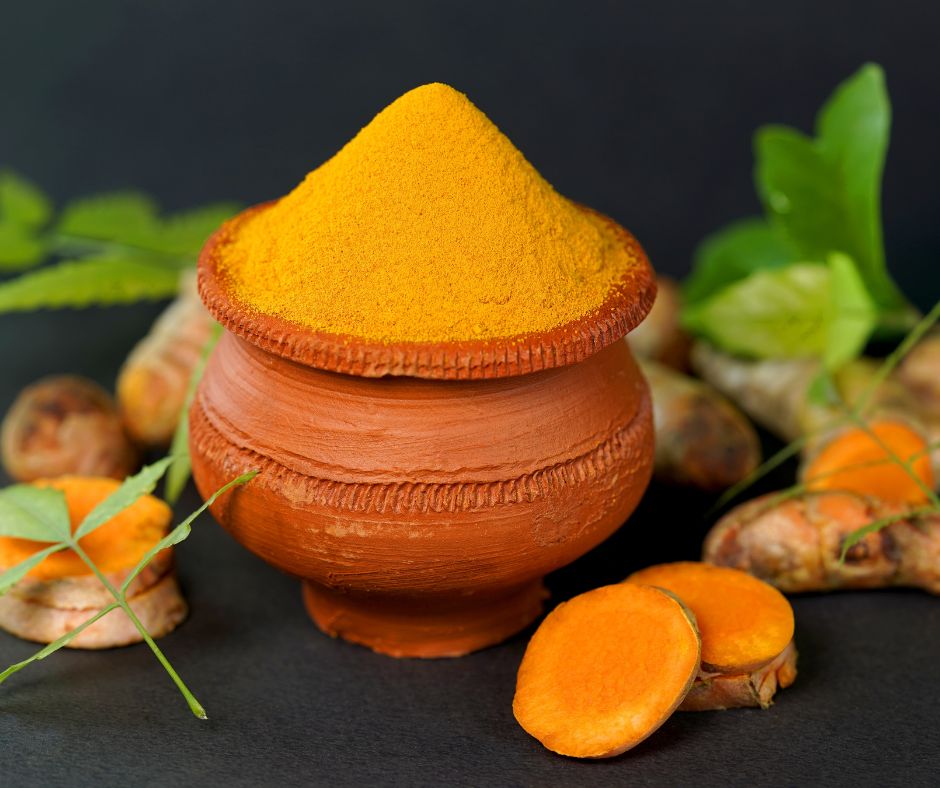
Turmeric for boils is one of Earth Clinic's oldest and most documented natural remedies — and one of the first places on the English-language internet where this remedy was compiled and discussed, dating back to 2002. Over two decades later, reader experience with turmeric for boils spans thousands of reader reports, 22 pages of testimonials, and a remarkable consistency of results that has made it Earth Clinic's most trusted home remedy for this painful condition.
Readers use turmeric for boils in two main ways: internally, as turmeric powder in water, golden milk, yogurt, or capsules, and topically, as a turmeric paste applied directly to the skin. Many reports describe less throbbing, faster softening, easier drainage, and fewer recurrences — often in situations where antibiotics, repeated lancing, and months of other treatments had failed.
Important Medical Warning
Boils can sometimes become serious infections. Seek medical care promptly if you have fever, chills, red streaks, rapidly spreading redness, severe pain, diabetes, immune suppression, a boil on the face or groin, suspected MRSA, or a boil that keeps returning.
Turmeric may be supportive, but it is not a substitute for medical drainage, antibiotics, or professional care when a boil is severe or spreading.
At a Glance
- Turmeric contains curcumin, a compound studied for anti-inflammatory and antimicrobial activity.
- Earth Clinic has documented turmeric for boils since 2002 — one of the earliest English-language resources on this remedy.
- Turmeric works best when started at the first sign of a boil — early use produces the most dramatic results.
- Both internal use (turmeric in water, golden milk, yogurt, or capsules) and topical paste are discussed.
- Curcumin is fat-soluble — taking turmeric with a fat (coconut oil, milk, ghee, black pepper) significantly improves absorption.
- Popular topical combinations include turmeric with castor oil, coconut oil, honey, aloe vera, or antibiotic ointment.
- Turmeric stains skin, clothing, towels, bedding, and countertops bright yellow-orange.
- Do not squeeze boils — this can push infection deeper and increase scarring risk.
- Suspected MRSA, spreading infection, severe pain, or recurring boils require medical care.
Earth Clinic Experience:
Earth Clinic began documenting turmeric for boils in 2002 — before turmeric became a mainstream wellness ingredient and before most English-language health resources had documented this use. Over two decades later, 22 pages of reader testimonials have accumulated, spanning every type of boil, every application method, and every demographic. The archive includes healthcare workers, physicians, and medical university graduates who initially dismissed the remedy — and then documented their astonishment when it worked. It is one of the most compelling bodies of reader base health evidence on the site.
What Earth Clinic Readers Report About Turmeric for Boils
After two decades of reader submissions, several clear and consistent patterns have emerged from Earth Clinic's turmeric and boils reader base.
The most common arc: desperation, skepticism, and then astonishment
The emotional pattern in Earth Clinic's turmeric boil posts is remarkably consistent across two decades and dozens of countries. Readers typically arrive having spent days, weeks, or months in significant pain — trying antibiotics, lancing, black drawing salves, Epsom salt soaks, and every over-the-counter option — before finding Earth Clinic as a last resort. The skepticism is universal. Bonko from Vienna, a lab researcher and medical university graduate, writes: "I always use more scientific treatment... antibiotics, incision, ointment with AB... But this Turmeric thing really changed my whole mind." Reader cmdrexler18 from Arizona — who had experienced a prior abscess lanced without adequate numbing, describing it as "THE most painful experience of my life" — took a $6 jar of McCormick turmeric from the grocery store as a last resort before a planned trip and watched the inflammation go down within 24 hours. These stories repeat, from every background, again and again.
Timing is the most critical variable
The single factor that most determines outcomes in Earth Clinic's turmeric posts is how early the remedy is started. Readers who describe taking turmeric at the very first sign of a developing boil — a tender spot, early redness, a small hard bump — report dramatic results: the boil often never fully develops, resolving within 24–48 hours without significant pain or drainage. Readers who start turmeric after a boil is already large, deep, and fully established report slower and less complete results, though still meaningful improvement compared to doing nothing. Mel from British Columbia, who was pregnant and desperate to avoid lancing weeks before delivery, started turmeric internally and within 15–20 minutes felt tingling in the boils — they began draining almost immediately and were gone within a week, leaving barely a mark. She now takes turmeric at the very first sign of a bump and reports it goes away before reaching the drainage stage.
Internal use is as important as — often more important than — topical paste
A pattern that runs through the most successful reader accounts is that turmeric works from the inside. Many readers arrive at Earth Clinic having tried only topical treatments and finding them insufficient. The consistent message across posts is that internal turmeric — taken orally in warm water, milk, or capsules — is what drives the most significant results. Ang from Pensacola describes weeks of topical treatments without progress on her carbuncle, followed by dramatic improvement overnight after adding internal turmeric tea. Kristy from Jacksonville describes five days of failed remedies, then drinking turmeric internally before bed and waking to find the boil draining for the first time. P. from the USA describes a golf-ball-sized boil in the breast area that required a two-pronged approach: internal turmeric tea multiple times daily alongside a topical paste, producing drainage after three nights.
Curcumin is fat-soluble — and many readers who failed were taking it wrong
One of the most important practical insights in Earth Clinic's turmeric reader base is the fat-solubility of curcumin. Several readers describe trying turmeric in plain water and seeing little effect, then switching to turmeric with coconut oil, milk, or another fat and seeing dramatic improvement. Hil from California describes taking turmeric capsules without results, then reading about the fat-solubility issue and making capsules filled with turmeric powder mixed in almond oil — which worked. Pippi from Boise, who had taken turmeric without results for 20 months, may have been affected by this same issue. Earth Clinic contributor Joyce from Tennessee consistently flags this in reader posts: turmeric mixed with water alone delivers far less curcumin to the bloodstream than turmeric taken with a fat.
The threshold between "it worked" and "it didn't work" is often dose and consistency
Earth Clinic's turmeric posts include honest accounts where it didn't work — reader Tina from Ohio, reader Janelle from Nebraska, reader Burny who tried it for nearly a year. Reading across the full archive, these cases cluster around two patterns: insufficient dose (taking 1/4 teaspoon rather than 1 teaspoon, or taking capsules without fat for absorption) and inconsistent use (missing doses or stopping too early). Reader markc from Arizona responded directly to Janelle's failure post: with nearly 300 positive reports, the question is not whether turmeric works but whether something was being done differently. The most consistent advice from experienced contributors: use enough, take it with fat, be consistent, and combine internal and topical approaches for established boils.
Recurring boils are where turmeric's long-term value is most evident
Perhaps the most compelling category of Earth Clinic turmeric posts are those from readers who had suffered recurring boils for years or decades. Rendrag from London describes four years of recurring boils on buttocks and upper thighs — dermatologist-prescribed antibiotics, a special bath additive, nothing worked. He started turmeric capsules and in two years of daily use the boils never returned. Hil from California had suffered since age 13 — she was 56 when she wrote her post. Susie from Riverside describes 16 years of recurring boils before finding turmeric. Sarita from Mumbai describes 1.5 years of boils the size of tennis balls, each lasting 2 months, doctors and antibiotics providing no help — turmeric ended the cycle. For chronic sufferers, the most consistent guidance from Earth Clinic's reader base is daily maintenance turmeric use even when no boil is present, rather than only treating active boils.
What Are Boils?
A boil, also called a furuncle, is a painful skin infection that usually develops when bacteria — most commonly Staphylococcus aureus — infect a hair follicle. The area becomes red, swollen, tender, and warm. Over time, pus collects under the skin forming a white or yellow center.
Common signs of a boil include a red, painful bump; swelling and warmth; a white or yellow pus-filled center; throbbing or pressure; drainage once the boil opens; and occasional scarring. Boils should not be squeezed — squeezing can push infection deeper and increase the risk of cellulitis, scarring, or spreading infection.
A carbuncle is a cluster of interconnected boils sharing a common drainage point and is more serious than a single furuncle. Ang from Pensacola describes her single infected follicle spreading to four follicles before forming a carbuncle — a progression that internal turmeric finally addressed after weeks of topical-only treatment.
Why Readers Use Turmeric for Boils
The interest in turmeric for boils centers on curcumin, its best-known active compound, which has been studied for anti-inflammatory, antioxidant, and antimicrobial properties — including activity against Staphylococcus aureus, the bacteria most commonly responsible for boils.
Earth Clinic readers most often discuss turmeric for boils because it may help support: calmer inflammation as a boil develops; reduced swelling and tenderness; less throbbing pressure while the boil comes to a head; faster and more complete drainage; skin recovery after drainage; and immune support for people prone to recurring boils.
Why Timing Is Critical
The most important practical lesson from Earth Clinic's turmeric archive is this: start at the very first sign of a boil forming, not after it is established.
At the earliest stage — a tender spot, early swelling, a small hard bump — the bacterial load is low and a meaningful antimicrobial intervention can prevent full development. Wilson from Vancouver felt a boil under the skin, immediately started turmeric twice daily, and by the next morning there was almost no pain — within 24 hours the boil was gone. Bluebelle816 from Los Angeles, who had a prior MRSA diagnosis, felt a boil forming and started turmeric the same evening — the boil never surfaced, the lump shrunk, and within a few days was gone entirely.
By contrast, readers who start turmeric after a boil is golf-ball-sized, deeply established, or in its second week report slower, more partial results — still meaningful, but requiring more time and often a combination of internal and topical approaches.
Pattern:
Keep turmeric in your pantry and take it immediately at the first sign of tenderness or swelling that might be a developing boil. The readers who report the most dramatic results — boils that never fully develop, resolution in 24–48 hours — are almost always those who started at the earliest possible moment.
Internal Turmeric for Boils
Taking turmeric internally is consistently described as the most important component of the remedy — more so than topical paste alone for most readers. Internal turmeric supports the immune response systemically and delivers curcumin to the bloodstream where it can act on the infection from the inside.
Turmeric in warm water
The classic Earth Clinic method. Mix 1 teaspoon of turmeric powder into a half cup or cup of warm water. The taste is earthy and not pleasant for most readers — mixing with a small amount of honey, adding cinnamon or ginger, or chasing it with juice helps. Kristy from Jacksonville found orange juice more tolerable. Willowone from Georgia added it to coffee. Fabat50 from California buries the turmeric in a tablespoon of yogurt and swallows it in one gulp, chasing with water.
Golden milk
Warm milk or non-dairy milk with turmeric, black pepper, and a small amount of fat. Mel from British Columbia couldn't stomach turmeric in water but found it in yogurt went "down the hatch painlessly." Marcin from Toronto makes a milk-based preparation with cinnamon, ginger, black pepper, and cardamom, simmered for 10 minutes. Golden milk is the most commonly described palatable long-term internal method in the Earth Clinic archive.
Turmeric broth
Nizumi from Montreal found the most practical solution for taking turmeric to work: mix the turmeric with powdered broth and hot water as a soup. "People will ask what the heck you're drinking when it's bright yellow and doesn't look like any tea they've ever seen. Broth, on the other hand, raises no questions at all."
Turmeric capsules
Many readers use turmeric or curcumin supplements for convenience. Hillary from Georgia specifically found turmeric root capsules more potent than extract capsules — the smell is more like powdered turmeric and the color richer. CJ from Malaysia takes 2 capsules of 750 mg daily with black pepper for absorption. The critical note from reader posts: capsules must be taken with food containing fat, or with a fat source, for adequate curcumin absorption. Capsules swallowed with plain water may deliver far less active curcumin than capsules taken with a fat-containing meal.
Absorption: The Fat and Pepper Rule
One of the most important — and most frequently missed — aspects of using turmeric effectively is absorption. Curcumin is fat-soluble, meaning it requires dietary fat to be absorbed from the gut into the bloodstream. Without fat, most curcumin passes through without being absorbed.
Absorption Enhancers
- Fat: Coconut oil, milk, ghee, olive oil, almond oil, half and half, or any dietary fat taken alongside turmeric dramatically improves curcumin absorption. This is why golden milk works better than turmeric in plain water for many readers.
- Black pepper (piperine): Piperine in black pepper inhibits the rapid metabolism of curcumin, extending the time it is active in the body. Research suggests black pepper increases curcumin bioavailability by up to 20-fold. A pinch of finely ground black pepper with every turmeric dose is one of the most consistent recommendations across Earth Clinic's turmeric posts.
- Heat: Warming turmeric in fat or milk releases more curcumin into bioavailable form. This is why simmered golden milk works better than turmeric stirred into cold water.
Managing the Taste
The taste of turmeric in water is one of the most commonly discussed challenges in Earth Clinic's archive. Here are the solutions readers have found:
- Yogurt burial: Dig a small hole in a tablespoon of yogurt, place the turmeric inside, cover with more yogurt, and swallow — reader Fabat50's method. "No taste, just gulp."
- Coffee: Willowone from Georgia sprinkled turmeric into each cup of coffee throughout the day. Da-mith from Queensland notes turmeric is "fat activated" — the oils in coffee make this approach more effective than plain water.
- Broth/soup: Nizumi's turmeric broth (1 tsp turmeric + pinch black pepper + powdered broth + hot water) is the most discreet workplace solution.
- Golden milk with spices: Adding cinnamon, cardamom, ginger, and honey to turmeric milk makes it genuinely pleasant. Sara from Canada describes golden milk as something she looks forward to.
- V-8 or tomato juice: Carly from Seattle stirs turmeric and black pepper into V-8 daily, using a straw to avoid teeth staining. She now says it "tastes wrong" without it.
- Capsules: The universal solution for readers who simply cannot tolerate the taste. Buy empty capsules and fill with turmeric powder for a significantly cheaper alternative to commercial supplements.
Turmeric Powder vs Capsules
Both forms are used extensively in Earth Clinic's boil reader base. Hillary from Georgia found a meaningful difference between turmeric root capsules (more potent, richer color, stronger smell) and turmeric extract capsules. Hil from California eventually made her own capsules by mixing turmeric powder with almond oil and filling empty gel capsules — combining the cost benefit of powder with the convenience and tastelessness of capsules.
Reader cl503 from Portland tried commercial capsules without significant results, then switched to bulk turmeric powder in grapefruit juice and applied a paste simultaneously — and saw results the same night. Several readers in the archive report that switching from capsules to powder produced better results, possibly because the powder form more readily mixes with fat in the stomach.
How Much Turmeric Readers Take
Dosage varies considerably across Earth Clinic's archive, and higher doses are generally associated with more acute situations:
Dosage Patterns from Reports
- Acute boil, early stage: 1 teaspoon 2–3 times daily in warm water or golden milk
- Acute boil, established: 1 teaspoon 3–4 times daily; some readers take higher amounts short-term
- Children: Mama to Many from Tennessee recommends 1/4 teaspoon 2–3 times daily for ages 2–6; 1/2 teaspoon for ages 6–12; adult dose for 12 and older, mixed in yogurt, applesauce, or honey
- Maintenance (preventing recurrence): 1/2–1 teaspoon daily or 1–2 capsules (500–750 mg) with a fat-containing meal
- Long-term prevention: Many readers take turmeric daily in food or golden milk indefinitely — in Indian cuisine, daily turmeric use is traditional and has a centuries-long safety record
Larger amounts can cause digestive upset, nausea, loose stools, or reflux in some readers. Marsh from Denver describes heart palpitations from drinking too much turmeric too quickly — she reduced to sipping throughout the day rather than drinking full cups at once. Karyn from Charlotte describes brief heart palpitations at 1 full teaspoon and reduced to 1/2 teaspoon with better tolerance. Start conservatively and increase as tolerated.
Turmeric Paste for Boils
Topical turmeric paste is used alongside internal turmeric — most effective for bringing a boil to a head and drawing out the infection from the outside simultaneously. Peachie from Macon describes one of the site's most dramatic topical accounts: she applied a simple turmeric and water paste directly to a quarter-sized boil, covered with a bandaid, and had no pain within 3 minutes. Within 15 minutes the boil opened and drained. By the next morning it was completely flat and painless.
Simple Turmeric Paste
- 1 teaspoon plain turmeric powder
- Enough liquid or oil to form a paste: water, aloe vera gel, honey, castor oil, coconut oil, antibiotic ointment, or paw paw ointment
- Cover with sterile gauze or a bandaid
- Change every 12–24 hours
The choice of mixing agent matters for how long the paste stays in place — oil-based mixtures (castor oil, coconut oil) adhere better and stay moist longer than water-based mixtures.
Important: Do not pack turmeric paste into an open wound or deep draining cavity. Once a boil has opened and is draining, shift focus to cleanliness and sterile dressing changes.
Turmeric and Castor Oil Paste
Castor oil is the most popular base for turmeric paste in Earth Clinic's archive. Teena from Melbourne describes using turmeric and castor oil paste on her son's large abscess after doctors opened it: after 2 changes of the paste-soaked gauze over 48 hours, pus had been completely drawn out and pain resolved from the first application. She specifically withheld honey until all pus had been extracted, then added turmeric and honey for the healing phase.
Turmeric and Castor Oil Paste
- 1 teaspoon turmeric powder
- Enough castor oil to form a thick paste
- Optional: add raw honey after pus has been drawn out, for the healing phase
- Cover with sterile gauze and breathable medical tape
- Change every 24 hours
Turmeric and Coconut Oil Paste
Coconut oil is the second most commonly used base, producing a smoother paste that spreads more easily and is gentler to remove. Pixie from Nashville used turmeric and coconut oil on a bandaid for a stubborn groin boil — changed it a few days later and found it almost completely healed. Louise from the UK melts coconut oil, mixes in large amounts of turmeric powder, allows it to set again, and uses this both as an oral preparation (a few times daily) and topically. The fat in the coconut oil serves double duty — improving absorption when taken internally and acting as the paste base when applied topically.
Turmeric and Honey Paste
Raw honey adds antimicrobial properties alongside the turmeric and acts as a soothing, adhesive binding agent for the paste. Msrose from Newport News describes applying turmeric and honey paste before bed and waking 7 hours later with the pain barely noticeable. Ardenwoods from Los Angeles mixed manuka honey and turmeric as a nasal staph paste — pain from a thumping heartbeat in his nose was gone within minutes.
Combination Approaches Readers Use
The most successful Earth Clinic boil accounts almost always describe a combination of internal and topical turmeric, often alongside supporting measures:
- Internal turmeric + topical paste simultaneously: The most commonly reported successful approach for established boils. P. from the USA describes internal turmeric chai tea 2–4 times daily alongside a topical paste — drainage after 3 nights on a golf-ball-sized boil.
- Turmeric + olive leaf extract (internal): Teena from Melbourne gives her son olive leaf capsules as a non-gut-harming antibiotic alongside turmeric and castor oil paste — two rounds of 24-hour dressing changes and the abscess was clear.
- Turmeric + colloidal silver: Some readers switch from turmeric paste to a turmeric and colloidal silver paste after follicles come to a head, finding the combination draws infection out completely.
- Turmeric + tea tree oil: Zee from New Orleans applies turmeric, olive oil, and tea tree oil paste topically while taking turmeric in water internally — boil goes away in 12 hours.
- Turmeric + garlic: Several readers combine internal turmeric with garlic capsules or raw garlic as a complementary antimicrobial approach.
- Turmeric + vitamin E oil: Ang mixes turmeric with vitamin E oil for topical application, noting that vitamin E can penetrate all 7 layers of skin — deepening the paste's reach into the follicle.
How Long Does Turmeric Take to Work?
Timeline varies significantly based on how early turmeric is started and the size of the boil:
- Early-stage boil (first 24 hours of symptoms): Many readers report the boil never fully develops — it resolves without drainage within 24–48 hours. Wilson: gone in 24 hours. Bluebelle816: never surfaced, gone in a few days.
- Moderate boil (2–5 days in): Most readers report significant pain reduction within the first day of taking turmeric, with drainage beginning within 24–72 hours and resolution over 3–5 days.
- Large or established boil: Timeline extends to 5–10 days with consistent combined internal and topical use. Some readers with golf-ball-sized boils describe resolution in 3–5 days; others take longer.
- Chronic/deep abscess: Susie from California describes a 3-month-old deep boil on her neck finally draining after 3 weeks of consistent turmeric use.
When to Stop Waiting
If a boil is larger, hotter, more painful, or more swollen after 2–3 days of home care, or if fever, red streaks, or significant spreading redness develop at any point, seek medical care promptly. Do not use turmeric as a reason to delay necessary medical treatment.
Turmeric for Recurring Boils
Recurring boils are where Earth Clinic's turmeric archive is perhaps most compelling. The pattern across dozens of long-term reader accounts is consistent: readers who take turmeric daily — in food, golden milk, or capsules — experience dramatically fewer or no recurrences. Rendrag from London: 4 years of recurring boils, two years of daily turmeric capsules, no recurrences. CJ from Malaysia: boils every few months before turmeric, now "comes on less often" with 2 capsules of 750 mg daily.
Earth Clinic contributor Anon raises an important systemic point: recurring boils often point to a gut issue. Digestive bitters, probiotic support, and gut health improvement are consistently recommended alongside turmeric for readers with chronic recurring boils. Kathy from Idaho shares that her brother-in-law discovered all his boils were triggered by pork — eliminating pork eliminated the boils for him and all six of his sons who had inherited the same sensitivity.
Gavin from New Zealand and several others note that recurring boils in the groin or bikini area, particularly in women around the menstrual cycle, may indicate hidradenitis suppurativa — a distinct condition that Earth Clinic covers separately and that requires a different approach than typical boils.
MRSA and When Turmeric Is Not Enough
Several Earth Clinic readers describe using turmeric for what they suspected or confirmed was MRSA — with some positive results, but with important caveats. Topdog from Naples describes a confirmed MRSA boil under the armpit reduced 50% within one day of turmeric and aloe vera paste, gone after three days. P.F. from Vancouver, a healthcare worker with suspected MRSA boils, describes two days of turmeric making "all the difference" with boils disappearing.
However, MRSA is a serious, potentially life-threatening infection. These reader accounts are not a recommendation to treat MRSA at home. MRSA can spread rapidly, cause systemic infection, and in severe cases requires hospitalization. Earth Clinic's reader base includes these accounts for educational purposes, not as a treatment protocol.
Seek Medical Care Immediately If:
- Rapidly spreading redness or red streaks from the boil
- Fever or chills
- Severe pain disproportionate to the visible size
- Dark purple or black discoloration
- Multiple boils or household members also developing boils
- A boil that resembles a worsening spider bite
- Boils in a person with diabetes, immune suppression, or serious underlying illness
Managing the Staining
Turmeric's bright yellow-orange pigment stains everything it contacts. Martha from Kansas describes turmeric staining as requiring dedicated management:
- Cover topical paste with sterile gauze and seal edges with breathable medical tape before applying any clothing or bedding
- Wear old clothing and use old towels during treatment
- A jock strap or supportive underwear can help hold dressings in place in difficult locations
- Baking soda and water paste removes turmeric stains from counters and sinks; let sit briefly before wiping
- Oxygen-based cleaners remove turmeric from clothing better than standard detergents
- Drink turmeric through a straw to minimize tooth staining — or use capsules
- Skin staining fades with normal washing over several days and is not harmful
Safety Tips and Side Effects
- Staining: Turmeric stains skin, clothing, towels, bedding, and countertops bright yellow-orange.
- Digestive side effects: Large amounts can cause nausea, loose stools, reflux, constipation, or upset stomach. Start with smaller amounts and increase gradually. Marsh notes that sipping throughout the day rather than drinking a full cup at once reduces this significantly.
- Heart palpitations: Reported by several readers at higher doses, particularly when taken quickly in concentrated form. Reduce dose and sip slowly.
- Dry mouth: Moonlight58 describes significant dry mouth on turmeric — increasing water intake helped.
- Blood thinning: Mayzeeo from Tampa describes noticing blood thinning effects (slow-clotting shaving nicks) while on turmeric — this resolved after stopping.
- Do not squeeze boils: Squeezing can push infection deeper and cause cellulitis or spreading.
- Do not pack paste into open wounds: Once a boil is draining, cleanliness and sterile dressings take priority over turmeric paste.
- Medication interactions: Turmeric may interact with blood thinners (warfarin, aspirin), and other medications. Check with a qualified healthcare provider.
- Gallbladder concerns: Medicinal turmeric may aggravate gallbladder problems in some people.
- Pregnancy: Culinary amounts are generally considered safe. Medicinal doses during pregnancy should be discussed with a healthcare provider. Mama to Many provides nuanced guidance in the reader posts.
Frequently Asked Questions About Turmeric for Boils
Does turmeric help boils?
Earth Clinic's archive — one of the largest collections of reader-reported turmeric and boil experiences in English — documents consistent results across two decades and thousands of reports. Most readers describe meaningful improvement, with the best results when started early. Turmeric should not be considered a guaranteed cure, and serious boils require medical care.
How do I take turmeric for a boil?
The most commonly reported effective approach is taking 1 teaspoon of turmeric powder mixed with a fat (coconut oil, milk, or golden milk) plus a pinch of black pepper, 2–3 times daily, at the first sign of a developing boil. Combine with topical turmeric paste for established boils. Do not take in plain water alone — fat and pepper significantly improve curcumin absorption.
How long does turmeric take to work on a boil?
For early-stage boils, many readers report the boil never fully develops — resolving in 24–48 hours. For established boils, most readers describe meaningful pain reduction within the first day and drainage beginning within 1–3 days. Large or deep boils may take 5–10 days of consistent treatment.
Should I take turmeric internally or apply it as a paste for a boil?
Both. Earth Clinic's most successful accounts combine internal turmeric (in warm milk, golden milk, or capsules with fat) and topical paste simultaneously. Internal use appears to be the more important of the two for most readers — many describe limited results from topical paste alone, with dramatic improvement after adding internal turmeric.
Why isn't turmeric working for my boil?
The most common reasons based on Earth Clinic's archive: taking turmeric in plain water without fat (poor absorption); taking too small a dose; inconsistent use; starting too late when the boil is already large and deep; or using only topical paste without internal use. Try adding a fat source (coconut oil, milk) and black pepper, increase the dose to 1 teaspoon 3 times daily, add internal use if using only topical, and combine both approaches consistently for at least 3 days before assessing results.
Can I use turmeric to prevent recurring boils?
Yes — daily turmeric maintenance is one of the most consistently supported long-term strategies in Earth Clinic's archive. Readers with years of recurring boils describe dramatic reduction or elimination of new boils after committing to daily turmeric in food, golden milk, or capsules. Several readers report taking it daily for years with no recurrences.
Is turmeric safe during pregnancy?
Culinary amounts of turmeric are generally considered safe during pregnancy. Medicinal doses are less well-studied. Turmeric is not typically on "herbs to avoid in pregnancy" lists and is used daily in Indian cuisine throughout pregnancy. However, large amounts specifically for detoxification purposes are not recommended during pregnancy, and high doses in the last month are best avoided due to possible blood-thinning properties. Mel from British Columbia used turmeric successfully for boils while pregnant in her last month and delivered without complications.
Can I give turmeric to children for boils?
Earth Clinic contributor Mama to Many from Tennessee provides the reader base's most detailed guidance: 1/4 teaspoon 2–3 times daily for ages 2–6; 1/2 teaspoon for ages 6–12; adult dose for ages 12 and older. Mix in yogurt, applesauce, or honey for palatability. Caitlin from New York gave her 8-year-old daughter 1/8 teaspoon in warm almond milk twice daily — the boil on her face began healing within 24 hours and was resolved in 4 days.
Can regular grocery store turmeric powder work?
Yes — plain culinary turmeric powder from the spice cabinet is what the vast majority of Earth Clinic readers use. Reader cmdrexler18 bought McCormick ground turmeric at Fry's grocery store for under $6 and resolved a developing groin abscess in 5 days. Several readers note that buying turmeric at Indian grocery stores is significantly cheaper than at mainstream supermarkets. Choose pure turmeric without added salt, colorings, or seasoning blends.
Final Thoughts
Turmeric for boils represents one of Earth Clinic's most significant reader base contributions to natural health knowledge — documented since 2002, refined over two decades, and supported by some of the most detailed and emotionally compelling reader testimonials on the site. The key principles that emerge from this archive: start early, take turmeric internally with a fat and black pepper for absorption, combine internal and topical approaches for established boils, take enough of it consistently, and do not wait if the infection is spreading or severe.
For readers who have suffered with recurring boils for years — trying antibiotics, lancing, and everything available — Earth Clinic's accumulated reader experience suggests that daily turmeric maintenance may offer the long-term relief that conventional approaches have not.
Continue below to read Earth Clinic reader experiences with turmeric for boils — 22 pages of reports spanning two decades, from around the world.
Experiences With Turmeric for Boils
Below are Earth Clinic reader reports on using turmeric for boils, abscesses, staph infections, MRSA, and recurring skin infections. Reports span from 2002 to the present and represent one of the largest reader base-sourced natural remedy archives on the internet.
Related Links:
Home Remedies for Boils: What Works and What to Avoid
Natural Remedies for MRSA: Effective Solutions for Infection Control
Natural Remedies for Staph Infections





 (2)
(2)