Anxiety
Natural Remedies

Anxiety Relief: Remedies, Triggers and Calm Support

| Modified on Jun 09, 2026
Add New Post Comments
Anxiety Natural Remedies

Anxiety can feel like worry, dread, panic, restlessness, racing thoughts, heart palpitations, stomach upset, insomnia, or a constant sense that the body is on high alert. For some people, anxiety is tied to a stressful season of life. For others, it becomes a recurring pattern that affects sleep, digestion, relationships, work, and daily confidence.

Many Earth Clinic readers have long described anxiety as more than a mental or emotional issue. Their experiences often point to the body as well: mineral depletion, blood sugar swings, poor sleep, gut imbalance, thyroid changes, hormonal shifts, caffeine sensitivity, medication side effects, and nervous system overload. This does not mean anxiety is “all physical,” but it does mean that calming the body can often help calm the mind.

Medication, therapy, and professional support can be life-changing and should not be dismissed. At the same time, many people look for natural remedies for anxiety that support the nervous system, improve resilience, and reduce the intensity of symptoms without feeling sedated or emotionally numb.

This guide reviews the most popular Earth Clinic remedies for anxiety, including cold showers, rhodiola, 5-HTP, apple cider vinegar, acetyl L-carnitine, magnesium, L-theanine, iodine, holy basil, and valerian, along with additional support for panic attacks, palpitations, gut health, sleep, and hidden triggers.

At a Glance

Most Popular Earth Clinic Remedies

The most frequently reported remedies for anxiety include cold showers, rhodiola, 5-HTP, apple cider vinegar, acetyl L-carnitine, magnesium, L-theanine, iodine, holy basil, and valerian.

Best Fast-Acting Options

For sudden anxiety or panic, readers most often mention cold showers, cold water on the face, magnesium, taurine, L-theanine, niacin, breathing practices, grounding, and stabilizing blood sugar.

Important Cautions

Anxiety with chest pain, fainting, severe shortness of breath, suicidal thoughts, new confusion, or a first-time panic-like episode should be medically evaluated. Natural remedies are supportive tools, not substitutes for emergency care or appropriate mental health treatment.

Quick Takeaway

The most useful approach is often layered: calm the nervous system, stabilize minerals and blood sugar, reduce stimulants, improve sleep, support gut health, and investigate hidden triggers if anxiety keeps returning.

Quick Nav

What Is Anxiety?

Anxiety is the body and mind’s response to perceived danger, uncertainty, stress, or internal imbalance. In short bursts, anxiety can be useful. It sharpens attention, prepares the body to act, and helps people respond to threats.

Problems begin when the stress response stays switched on. The nervous system may remain in a state of hypervigilance, even when there is no immediate danger. This can lead to chronic worry, panic attacks, insomnia, digestive symptoms, muscle tension, and a feeling of being unable to relax.

Common Types of Anxiety

Generalized anxiety often feels like ongoing worry, tension, and difficulty switching off the mind.

Panic attacks are sudden surges of intense fear with physical symptoms such as palpitations, chest tightness, trembling, dizziness, or shortness of breath.

Social anxiety involves fear of judgment, embarrassment, or scrutiny in social settings.

Physical anxiety may feel more body-based than thought-based, with symptoms such as a racing heart, internal trembling, nausea, sweating, or adrenaline surges.

Symptoms of Anxiety

Anxiety symptoms vary widely. Some people experience mostly mental symptoms, while others feel anxiety primarily in the body.

Mental and Emotional Symptoms

Common symptoms include excessive worry, racing thoughts, dread, irritability, difficulty concentrating, fear of losing control, and a constant sense that something is wrong.

Physical Symptoms

Anxiety can cause heart palpitations, chest tightness, sweating, trembling, dizziness, stomach upset, diarrhea, nausea, muscle tension, headaches, frequent urination, insomnia, and fatigue.

What Causes Anxiety?

Anxiety can have emotional, neurological, hormonal, nutritional, environmental, and medical contributors. For many people, several factors overlap.

Common Contributors

Stress overload: ongoing work, family, financial, health, or relationship stress can keep the nervous system activated.

Mineral depletion: low magnesium, potassium, or sodium balance may worsen nervous system excitability.

Blood sugar instability: skipped meals, high-sugar meals, or reactive hypoglycemia can trigger shakiness, panic, and irritability.

Sleep loss: poor sleep increases cortisol and lowers emotional resilience.

Gut imbalance: digestive inflammation, dysbiosis, candida, food reactions, or poor nutrient absorption may affect mood and neurotransmitter signaling.

Hormonal shifts: perimenopause, menopause, thyroid imbalance, postpartum changes, adrenal stress, and monthly hormone fluctuations can all affect anxiety.

Stimulants: caffeine, nicotine, energy drinks, pre-workout formulas, decongestants, and some medications may worsen anxiety.

What Often Gets Overlooked

Many people try calming herbs or supplements without looking for the trigger that keeps anxiety returning. Earth Clinic reader experiences often point to overlooked physical contributors.

Blood Sugar Crashes

Anxiety that appears suddenly between meals may be related to falling blood sugar. Symptoms may include shakiness, sweating, weakness, irritability, hunger, palpitations, and a feeling of panic.

Helpful pattern: eat breakfast with protein, avoid sweet coffee on an empty stomach, and include protein, healthy fat, and fiber at meals.

Caffeine Sensitivity

Some people tolerate caffeine for years and then suddenly become sensitive during periods of stress, poor sleep, menopause, illness, or mineral depletion. Coffee, green tea, black tea, energy drinks, chocolate, and pre-workout powders can all contribute.

Helpful test: reduce caffeine gradually for 1–2 weeks and track anxiety, sleep, palpitations, and morning cortisol symptoms.

Vitamin B12 Deficiency

Low B12 may contribute to anxiety, depression, insomnia, numbness, tingling, memory issues, fatigue, and balance problems. One Earth Clinic reader reported that severe anxiety disappeared after B12 deficiency was discovered and treated with B12 shots.

Oral B12 does not work well for everyone, especially in people with absorption problems, low stomach acid, pernicious anemia, or long-term use of acid-blocking medications.

Histamine Intolerance

Anxiety that worsens after wine, aged cheese, fermented foods, leftovers, vinegar, processed meats, or kombucha may involve histamine. Histamine reactions can mimic panic with flushing, racing heart, dizziness, itching, insomnia, and internal restlessness.

Thyroid Imbalance

Both an overactive and underactive thyroid can feel like anxiety. Hyperthyroid patterns may include racing heart, heat intolerance, weight loss, tremor, insomnia, and agitation. Hypothyroid patterns may include fatigue, depression, cold intolerance, constipation, and brain fog, sometimes with anxiety.

1. Cold Showers

Cold showers are one of the most popular Earth Clinic remedies for anxiety and panic. Readers often describe feeling clearer, calmer, more grounded, and more energized after cold water exposure.

Several readers report that cold showers worked best when the cold water reached the head, spine, neck, and armpits, rather than only the legs or torso. One reader with work-related anxiety found that ending a warm shower with cold water helped, then later moved to a full three-minute cold shower and noticed better energy and mental clarity. Another reader described relief from nighttime anxiety attacks after trying cold shower therapy and reported improved sleep, mood, skin, and hair.

How to Try Cold Showers

Start with a normal warm shower. At the end, turn the water cool for 15–30 seconds. Gradually increase to 1–3 minutes as tolerated.

Let the cool water reach the back of the neck, upper spine, scalp, and underarms. Breathe slowly and avoid gasping.

Best use cases: morning anxiety, panic surges, low mood with fatigue, stress-related agitation, and feeling “wired but tired.”

Cautions: Avoid sudden intense cold exposure if you have unstable heart disease, uncontrolled high blood pressure, fainting disorders, severe Raynaud’s, or are medically fragile. Start gently.

2. Rhodiola

Rhodiola rosea, also known as Arctic root, is an adaptogenic herb traditionally used for stress resilience, fatigue, mental performance, and stamina. On Earth Clinic, rhodiola is a popular remedy for anxiety, especially when anxiety is paired with exhaustion, low motivation, or stress burnout.

One reader reported that rhodiola helped occasional panic attacks and general anxiety within hours, using 180 mg twice daily. Others find it more helpful in the morning than at night because it can be energizing.

Best use cases: stress fatigue, burnout anxiety, low energy, mental fog, and anxiety worsened by work pressure.

Cautions: Rhodiola may be too stimulating for some people, especially those with insomnia, agitation, bipolar disorder, or stimulant sensitivity. Use caution with antidepressants, stimulants, pregnancy, breastfeeding, and blood pressure medications.

3. 5-HTP

5-HTP is a precursor to serotonin and melatonin. Some readers use it for anxiety that overlaps with low mood, rumination, carbohydrate cravings, or sleep difficulty.

One Earth Clinic reader emphasized that dose mattered greatly. A 50 mg dose was helpful, while a 100 mg tablet increased anxiety. After splitting the tablets back to 50 mg, the anxiety disappeared. This is a useful reminder that more is not always better, especially with neurotransmitter-related supplements.

Best use cases: anxiety with low mood, evening worry, sleep-onset difficulty, and possible serotonin-related symptoms.

Major caution: Do not combine 5-HTP with SSRIs, SNRIs, MAOIs, tricyclic antidepressants, migraine triptans, tramadol, linezolid, MDMA, or other serotonin-affecting substances unless supervised by a clinician.

4. Apple Cider Vinegar

Apple cider vinegar is one of Earth Clinic’s classic remedies and has several reports for anxiety relief. Readers often began taking it for another reason, such as blood pressure or digestion, and then noticed unexpected improvement in mood, calmness, or panic symptoms.

One reader took 2 tablespoons of apple cider vinegar in water after a stressful week of high blood pressure concerns and reported that her anxiety lifted within about 30 minutes. Another reader used 1 teaspoon in water and reported improvements in blood pressure, anxiety, patience, and relaxation.

How Readers Commonly Use ACV

Common approaches include 1 teaspoon to 1 tablespoon in a large glass of water, once or twice daily. Some readers use up to 2 tablespoons, but higher amounts are more likely to cause stomach irritation.

Safety tips: Always dilute apple cider vinegar. Drink through a straw when possible to protect tooth enamel. Rinse the mouth with plain water afterward. Do not brush teeth immediately after drinking vinegar; wait at least 30 minutes.

Cautions: ACV may worsen reflux, gastritis, ulcers, tooth sensitivity, or nausea. Use caution with diabetes medications, diuretics, digoxin, kidney disease, low potassium, and swallowing difficulties.

5. Acetyl L-Carnitine

Acetyl L-carnitine, often abbreviated ALCAR, is a form of carnitine that supports mitochondrial energy production and brain function. It is sometimes used for mood, mental clarity, fatigue, and nerve health.

One Earth Clinic reader with a long history of anxiety, depression, bipolar disorder, and bulimia described acetyl L-carnitine as extremely helpful for anxiety, but also noted that the dose had to be very low. She tolerated around 50 mg daily, while larger commonly recommended doses were too much.

Best use cases: anxiety with fatigue, brain fog, low motivation, or sluggish energy.

Cautions: Use caution with bipolar disorder, seizure disorders, thyroid medication, blood thinners, insomnia, and stimulant sensitivity. Stop if it worsens agitation, irritability, or sleep.

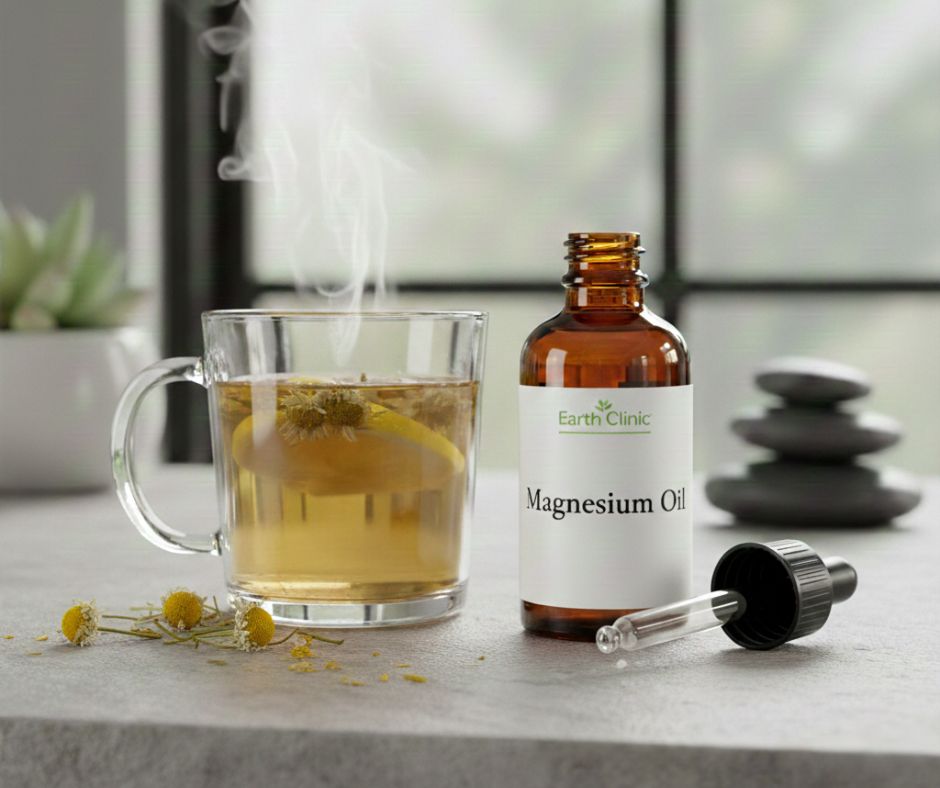
6. Magnesium

Magnesium is one of the most important minerals for nervous system regulation. It supports muscle relaxation, healthy heart rhythm, GABA activity, sleep quality, and stress resilience.

Earth Clinic readers frequently report benefit from magnesium for anxiety, depression, tension, and concentration. One reader described her son improving within days using magnesium glycinate after anxiety and depression following divorce.

Best Forms of Magnesium

Magnesium glycinate: gentle, calming, often preferred for anxiety and sleep.

Magnesium taurate: often chosen when anxiety includes palpitations or cardiovascular tension.

Magnesium citrate: useful if constipation is also present, but may loosen stools.

Typical use: Many adults use 100–400 mg elemental magnesium daily, divided with meals or in the evening. Sensitive individuals should start lower.

Cautions: People with kidney disease should not supplement magnesium unless medically supervised. Magnesium can interfere with absorption of thyroid medication, certain antibiotics, and osteoporosis medications if taken too close together.

7. L-Theanine

L-theanine is an amino acid found in green tea that promotes calm focus without heavy sedation. It is often used for racing thoughts, stress reactivity, and anxiety that interferes with concentration.

Typical use: 100–200 mg once or twice daily. Some people use it before stressful events, while others take it in the evening to quiet the mind.

Cautions: L-theanine may lower blood pressure slightly in some people and may feel too calming when combined with sedatives, alcohol, or sleep medications.

8. Iodine

Iodine is essential for thyroid hormone production, and thyroid balance can strongly affect mood, energy, heart rate, and anxiety. Some Earth Clinic readers report improved anxiety when iodine supports an underlying deficiency pattern.

However, iodine is highly individual. In some people, iodine can worsen anxiety, palpitations, insomnia, or thyroid symptoms, especially if the thyroid is already overactive or autoimmune thyroid disease is present.

Cautions: Use caution with Hashimoto’s, Graves’ disease, thyroid nodules, thyroid medication, pregnancy, breastfeeding, and known thyroid disease.

9. Holy Basil

Holy basil, also called tulsi, is an adaptogenic herb traditionally used for stress, mood balance, and resilience. Earth Clinic readers often describe it as calming without being strongly sedating.

One reader who had long-standing nervousness reported that chewing holy basil capsules and letting the herb sit in the mouth seemed to reduce a dreaded anxious feeling within about 30 minutes. Another reader later updated that deeper issues, including acidity and candida patterns, appeared to be contributing to anxiety and sleep problems.

Cautions: Holy basil may affect blood sugar, blood thinning, fertility, and thyroid function in some individuals. Use caution before surgery, with diabetes medication, blood thinners, pregnancy, or fertility treatment.

10. Valerian

Valerian is a traditional calming herb most often used for sleep, nervous tension, and nighttime anxiety. It may be helpful when anxiety is strongest in the evening or when worry prevents sleep onset.

Cautions: Valerian can cause morning grogginess, vivid dreams, headache, stomach upset, or paradoxical stimulation in some people. Avoid combining with alcohol, benzodiazepines, sleep medications, or sedatives unless supervised.

Fast-Acting Tools for Acute Anxiety and Panic

Cold Water Face Reset

Splash cold water on the face for 20–30 seconds, hold a cold pack against the cheeks, or place the face briefly over a bowl of cold water while breathing slowly. This may help signal safety to the nervous system during a panic spike.

Taurine

Taurine is an amino acid involved in calming neurotransmitter activity, electrolyte balance, and heart rhythm support. It is especially popular among readers whose anxiety includes palpitations, chest tightness, or internal agitation.

Typical use: 500–1,000 mg once or twice daily. Sensitive people may start lower.

Vitamin B3: Niacin

Vitamin B3, especially flushing niacin, has a long history in orthomolecular approaches to anxiety. Some Earth Clinic readers report significant improvement from niacin, including one reader who used 450 mg twice daily and noticed anxiety relief within 24 hours.

Caution: High-dose niacin can affect the liver, blood sugar, uric acid, blood pressure, and digestion. Medical supervision is wise for higher doses.

Breathing Practices

Slow breathing tells the nervous system that the body is not in immediate danger. Inhale gently for 4 seconds, then exhale slowly for 6–8 seconds. Repeat for 3–5 minutes.

Gut Health and Anxiety

The gut and brain communicate constantly through the vagus nerve, immune system, hormones, microbial metabolites, and neurotransmitter pathways. Digestive imbalance can worsen anxiety in susceptible people.

Anxiety may be gut-related if it worsens after meals, improves after bowel movements, appears with bloating or reflux, follows antibiotics, worsens with sugar, or flares with fermented foods.

Probiotics and Psychobiotics

Some probiotic strains are being studied for mood and stress support. Readers often experiment with fermented foods, yogurt, kefir, or probiotic capsules. However, fermented foods can worsen symptoms in people with histamine intolerance, so response matters.

Candida and Acidity Patterns

Some readers connect anxiety with candida, sugar cravings, acidic urine, poor sleep, and digestive imbalance. In these cases, a lower-sugar diet, digestive support, antifungal protocols, probiotics, and mineral balance may be more helpful than taking calming supplements alone.

Diet and Lifestyle Support

Stabilize Blood Sugar

Blood sugar instability is one of the most common physical anxiety triggers. Include protein at breakfast, avoid long gaps without food, pair carbohydrates with fat or protein, and keep emergency snacks available if anxiety appears with shakiness or weakness.

Reduce Stimulants

Caffeine is not the enemy for everyone, but it is a major anxiety trigger for many. Consider coffee, tea, matcha, yerba mate, chocolate, cola, energy drinks, nicotine, and pre-workout powders.

Support Sleep First

Poor sleep makes almost every anxiety pattern worse. Before adding multiple supplements, look at bedtime, screen exposure, room temperature, alcohol, late meals, caffeine timing, and nighttime blood sugar dips.

Adrenal Cocktail and Mineral Replenishment

Some readers find that afternoon anxiety is less mental and more mineral-related, especially when it appears with fatigue, dizziness, cravings, low blood pressure feelings, or a “wired but tired” pattern.

Simple Adrenal Cocktail

Mix 4 ounces orange juice, 4 ounces coconut water or water, 1/8 to 1/4 teaspoon cream of tartar, and a pinch of sea salt.

This provides vitamin C, potassium, sodium, and fluids. Many people use it mid-afternoon.

Cautions: This is not appropriate for everyone. Avoid or seek medical guidance if you have kidney disease, potassium restrictions, uncontrolled high blood pressure, heart failure, diabetes requiring careful glucose control, or take medications affecting potassium.

Helpful Supplements Beyond the Top 10

Vitamin B12

B12 deficiency can create anxiety, depression, insomnia, fatigue, neuropathy, memory problems, and weakness. Testing may include serum B12, methylmalonic acid, homocysteine, folate, and blood count.

GABA

GABA is the body’s primary calming neurotransmitter. Some readers use GABA supplements for acute anxiety, while others focus on gut health because certain beneficial bacteria may support GABA-related pathways.

Passionflower

Passionflower is a gentle calming herb often used for worry, muscle tension, and sleep. It combines well with evening routines but may be too sedating for daytime use in some people.

Chamomile

Chamomile tea is mild, accessible, and often useful for evening anxiety, digestive tension, and sleep. People allergic to ragweed or related plants should use caution.

Lavender Oil Capsules

Oral lavender oil preparations are among the better-studied herbal options for generalized anxiety. They may help calm anxiety without strong sedation for some people.

Ashwagandha

Ashwagandha is an adaptogen that may help stress resilience and cortisol patterns, especially when anxiety is linked with exhaustion. However, it is not right for everyone.

Cautions: Avoid during pregnancy and breastfeeding. Use caution with thyroid disease, autoimmune disease, liver disease, sedatives, alcohol, and medications for anxiety, sleep, or immune suppression.

Symptom-Specific Guidance

If Anxiety Comes With Palpitations

Consider magnesium taurate, taurine, hydration, electrolyte balance, reducing caffeine, and thyroid evaluation. Seek medical care for new, severe, irregular, or fainting-associated palpitations.

If Anxiety Is Worse at Night

Look at caffeine timing, alcohol, late meals, blood sugar dips, histamine foods, reflux, and sleep apnea. Valerian, magnesium glycinate, chamomile, passionflower, and L-theanine may be useful.

If Anxiety Appears After Meals

Track blood sugar, histamine foods, reflux, food sensitivities, alcohol, and high-sugar meals. Anxiety after meals may be digestive, metabolic, or inflammatory rather than purely emotional.

Common Mistakes

Taking Too Many Remedies at Once

Trying five new supplements in one day makes it impossible to know what helped or what caused side effects. Start one remedy at a time.

Using Too High a Dose

Several anxiety remedies can backfire at higher doses, including 5-HTP, rhodiola, acetyl L-carnitine, iodine, B vitamins, and stimulating adaptogens.

Missing Medical Causes

Thyroid disease, anemia, B12 deficiency, arrhythmias, medication reactions, asthma, vestibular disorders, menopause, and sleep apnea can all mimic or worsen anxiety.

When to Seek Medical Care

Natural remedies are best suited for mild to moderate anxiety, stress-related symptoms, and supportive care. Some symptoms need professional evaluation.

Seek Urgent Medical Help If You Have:

Chest pain, fainting, severe shortness of breath, weakness on one side, confusion, blue lips, severe allergic reaction, suicidal thoughts, thoughts of harming others, psychosis, mania, or a first-time severe panic-like episode.

Schedule Evaluation If:

Anxiety interferes with work, relationships, sleep, eating, driving, leaving home, or daily life; panic attacks are recurring; symptoms are new after age 40; palpitations are frequent; or anxiety began after starting, stopping, or changing medication.

Frequently Asked Questions

Can magnesium help anxiety?

Magnesium may help anxiety related to tension, stress, poor sleep, palpitations, or mineral depletion. Magnesium glycinate and taurate are commonly preferred for calming support.

Are cold showers good for anxiety?

Many Earth Clinic readers report that cold showers help anxiety, panic, energy, and mood. Start gradually and avoid sudden intense cold exposure if you have cardiovascular concerns.

Can apple cider vinegar help anxiety?

Some readers report anxiety relief after diluted apple cider vinegar, especially when anxiety overlaps with digestion, blood sugar, or blood pressure concerns. Always dilute it and protect tooth enamel.

Can 5-HTP make anxiety worse?

Yes. Some people feel worse with higher doses. One reader found 50 mg helpful but 100 mg anxiety-provoking. Do not combine 5-HTP with serotonin-affecting medications unless medically supervised.

Why is my anxiety worse at night?

Night anxiety may be related to cortisol rhythm, caffeine, alcohol, blood sugar dips, histamine foods, reflux, sleep apnea, or unresolved stress.

Can low blood sugar cause anxiety?

Yes. Falling blood sugar can trigger adrenaline, shakiness, sweating, irritability, palpitations, and panic-like symptoms.

Can thyroid problems feel like anxiety?

Yes. Both overactive and underactive thyroid patterns can contribute to anxiety. Palpitations, tremor, heat intolerance, weight changes, fatigue, and insomnia are important clues.

Is rhodiola calming or stimulating?

Rhodiola can be both. It may reduce stress fatigue for some people but feel stimulating or anxiety-provoking for others, especially at higher doses or late in the day.

Is valerian safe for anxiety?

Valerian may help nighttime anxiety and sleep, but it can cause grogginess, vivid dreams, stomach upset, or paradoxical stimulation. Avoid combining it with alcohol or sedatives unless supervised.

Can B12 deficiency cause anxiety?

Low B12 can contribute to anxiety, depression, insomnia, fatigue, nerve symptoms, and cognitive changes. Some people need B12 injections if absorption is impaired.

How long do natural remedies take to work?

Cold water, breathing, taurine, L-theanine, and niacin may act quickly for some people. Magnesium, B12 correction, gut support, sleep repair, and hormonal balance may take days to months.

Why did a supplement make my anxiety worse?

The dose may be too high, the remedy may be stimulating, or it may not match your anxiety pattern. 5-HTP, rhodiola, iodine, B vitamins, acetyl L-carnitine, and adaptogens can all overstimulate some people.

Can gut problems cause anxiety?

Gut imbalance, food reactions, candida, histamine intolerance, reflux, constipation, and poor nutrient absorption may worsen anxiety in susceptible people.

Should I stop anxiety medication and use natural remedies?

No. Do not stop anxiety medication abruptly. Withdrawal can be serious. Natural remedies should be discussed with a healthcare provider if you take prescription medication.

When is anxiety an emergency?

Seek urgent help for suicidal thoughts, chest pain, fainting, severe breathing trouble, confusion, mania, psychosis, or a first-time severe panic-like episode.

Final Thoughts

Anxiety is not always “just in the mind.” For many people, it reflects a nervous system under strain, a body running low on key minerals, disrupted sleep, unstable blood sugar, gut imbalance, hormone changes, stimulant overload, or an overlooked medical issue.

The most popular Earth Clinic remedies for anxiety include cold showers, rhodiola, 5-HTP, apple cider vinegar, acetyl L-carnitine, magnesium, L-theanine, iodine, holy basil, and valerian. Many readers also find support from taurine, niacin, B12, GABA, breathing practices, grounding, blood sugar support, and better sleep.

Start low, go slow, and change one thing at a time. What calms one person may overstimulate another, especially with remedies that affect neurotransmitters, thyroid function, or energy production.

Continue reading Earth Clinic reader experiences below and share your own observations, remedies, and recovery tips to help others.


The comments below reflect the personal experiences and opinions of readers and do not represent medical advice or the views of this website. The information shared has not been evaluated by the FDA and is not intended to diagnose, treat, or prevent any disease or health condition. Always consult a qualified healthcare professional for medical concerns.

5-HTP

5 star (7) 
  64%
(4) 
  36%

Posted by Gord235 (Vancouver, British Columbia) on 09/29/2020
★★★★★

Update - My usual store didn't have 5HTP 50mg in stock so I decided to try 5HTP100mg instead. What a mistake! After taking one 100mg tablet I became very anxious. I then put the balance of the tablets through a pill splitter so that they were just 50mg and the anxiety disappeared.

Now I am very careful to make sure I am buying only the 50mg strength. I even admonished the store a few times that the recommended dose was 50mg and that 100mg can actually increase anxiety and they have finally caught on.

5HTP doesn't mimic serotonin. it acts as a precursor for serotonin and melatonin which means it helps your body to naturally produce more of each. The end result is you feel better (serotonin) and sleep better (melatonin). The recommended dosage is 50mg. per day. Exceeding 50mg may cause anxiety so best to stick to 50mg.

Replied by Joseph
(Stockton, CA)
10/22/2021
73 posts

Regarding 5HTP, you can't blame the store for taking 100mg instead of 50mg. Common sense is if your taking 50mg and they are out, then buy 100mg and cut in half, sorry but that was your fault! One must learn to Google things they take and or change MG (milligrams) what foods don't mix with medications, usually Grapefruit and licorice.

Mary M.
(Arcadia, CA)
04/07/2023

Sorry to say just because you cut the 100mg in half does not make it 50 mg it still is 100mg just less. Hope this helps you.

Replied by Gord235
(Vancouver)
10/24/2021

At the time, I had no idea that taking twice my regular dose would have such an adverse effect as 5HTP was described to me as a vita-nutrient. So to me, it was the same as taking a double dose of vitamin C.

Replied by Joseph A.
(Stockton, Ca)
11/07/2021
73 posts

I was searching for something natural that would help with Anxiety when tapering off benzodiazepines. As I read comments from all so far, I came across the above one by Joseph, I said I agree with everything this guy says, then I looked at name and realized it was my own comment. Lol, lol .

Replied by Gord235
(Vancouver, Canada)
11/07/2021

That's hilarious! I suppose as you were reading your own comment you were thinking, "This person sounds pretty intelligent, too." ha, ha.

Replied by ST
(Oregon)
12/22/2022

Lol, I've done that and also when reading product reviews. We know a good thing when we see it. =)


5-HTP
Posted by Cindy (Orange County, California) on 09/04/2011
★★★★★

I was having terrible IBS symptoms along with extreme anxiety. I started taking 5-htp on the advice of my naturopathic doctor. Within 1-2 weeks, my IBS reduced substantially and my anxiety lessened dramatically. I felt great everyday with a more stable, consistent mood than I have ever felt in my life.

According to my doctor, a large proportion of serotonin either resides or is made in your gut (I forget which) so it makes sense that it helped my IBS. When I started, I was taking 200 mg each morning. It didn't help me sleep though, in fact it kept me wide awake. After taking for about a year or so, I started feeling very ill every morning. It took me a long time to figure out it was the 5-htp. However, my general health has improved much over the past year and I have now cut the dose back to 50 mg per day and can handle it fine. My doctor told me my system probably did not need as much now and this is perhaps why larger doses were making me so ill.

Replied by Joe
(Sterville, Co)
03/11/2013
★★★★★

I've read a few posts on the use of 5HTP and unusual symptoms (headaches, pains, etc) after using for awhile. Just wanted to recommend The Mood Cure book which helps to explain that these symptoms could possibly be caused by too much serotonin (serotonin syndrome). The gist of the 5HTP part is just using it long enough, and in proper doses, to where you feel better. Once you start getting abnormal symptoms, it can indicate that you are getting too much of a good thing, at which point you would stop or cut back.

Replied by Bodulica
(Barrie, Ontario, Canada)
03/12/2013

Thank you so much for posting it. I researched "serotonin syndrome" and now I know why I ended up with the cardiac arrest after taking one single minimum dose of Paxil and why I feel so sick if I take anything that deals with the serotonin. Can you please tell me who is the author of the Mood Cure Book. I want to get it. Thank you.

Replied by Sandhya
(Maui)
09/08/2015

Author of Mood Cure Book is Julie Ross I believe. She also wrote another book after that .... The Diet Cure Book.


5-HTP
Posted by Jasonmchicago (Chicago, Il (usa) ) on 06/12/2011
★★★★★

Serotonin is a vital neurotransmitter for all types of things... From mental to physical health. I had severe anxiety and tried different things from Velirium Root to different aroma therapies... The one thing that works amazingly was 5-HTP. It helps one get serotonin and serotonin helps with anxiety, depression, sleep problems (converts to melatonin), and muscle health (let's you get delta sleep so that your body can release growth hormone and repair muscle tissue). In the book "Pain Cure" there's a great recap of all the benefits of serotonin.

I HIGHLY recommend it for anxiety/depression. It helped change my life... Along with Yoga, MSM (joint pain), etc.

Thanks EC!


5-HTP
Posted by Marigold (Anchorage, Ak) on 04/10/2010

5-HTP for anxiety/depression

After reading some posts on this website, I decided to try 5-HTP for my general depression and social anxiety. After taking it the first time, I really noticed it made me feel kind of happy and giddy, so I was excited, and I also felt less anxious and more able to be what I consider myself. However, about a week taking just 50 mgs twice a day, I noticed I would get headaches. Then after about a week and a half I got a horrible headache, which I think might have been a migraine. It came on suddenly and lasted for about an hour of excruciating pain and nausea, and more mild pain and tension the rest of the day. Afterwards, for about a week, I started getting strange pains all on the left side of my body, in my leg and hip and shoulder. The migraine was on the right side of my head. I was pretty sure the 5 HTP was causing my everyday headaches, and was starting to feel like it lead to the migraine and subsequent left-side-of-the-body pains. I stopped taking 5-HTP and and my head-aches and body-aches have subsided completely. I am glad this supplement has worked for some people, but I just wanted to share my experience.

Replied by Gtijes
(Allentown, Pa, Usa)
08/29/2010

Does anyone know of a way to introduce something natural like 5-htp, and cut back on the prescription antidepressants? I wasn't sure if they interacted safely at all.

Replied by Randy
(Jersey City, Nj, Usa)
12/03/2010

I am thinking of doing the same thing. 5htp should not be taken with Rx anti-depressants. I take lexapro... I am planning on weaning down on my Rx by cutting the pills (go from 1 pill to 3/4, to half, etc), and introducing 5htp along the way as I wean.

Gord235
(Vancouver)
10/24/2021
★★★★★

I successfully transitioned from an anti-depressant, anti-anxiety medication(Paxil) to 5HTP-50mg by gradually reducing Paxil by 50% each day while increasing 5HTP TO 50mg. The whole weaning process took about four days. Note: experts say an anti-anxiety ant-depressant should never be stopped suddenly and I agree. I tried that once and found myself doing some irrational things.

CAUTION: I did find when I increased the 5HTP to 100mg, it actually increased my anxiety. This happened when my health food store brought in 100mg strength instead of the usual 50mg strength. Fortunately I realised what was happening and split the remainder in half and everything was fine from there on.

Replied by Me
(San Diego)
07/30/2017

I had the same side effects as you experience...migraine headaches. I no longer use the product.

Replied by Gord235
(Vancouver, British Columbia)
09/11/2017

I switched from Citalopram 20mg., a common SSRI to 5HTP 50mg. by cutting the Citalopram in half for a few days while simultaneously starting the 5HTP and experienced no transition problems.


5-HTP
Posted by Stefanie (Minden, Louisiana) on 07/17/2008
★★★★★

I found this remedy when I was looking for herbal remedies for my daily headaches. I found 5-HTP. According to the article,some of the things it helped with are insomnia, headaches, anxiety & depression. I thought could it be? I immediately went to my husband to show him what I had found because he had problems sleeping at night as well. We went a few days later to our local drug store and picked up a bottle of 50mg. 5-HTP. We had decided on the lowest dosage available in our area, upping the dosage as we went along if it was necessary. We have only been on it for a few days now but there is a very noticeable difference. We both have been sleeping through the night and feeling more refreshed when we wake. My anxiety attacks are gone as well as my headaches. We both are much less snappish than what we were before. We haven't noticed any side effects so far. We are taking them with a meal or a small snack and so far we have stayed at 50mg. Thanks for the very useful information that lead to this discovery!


5-HTP
Posted by Molly (Madison, USA) on 04/11/2008

WARNING!

One time I purchased a bottle of 5-htp, and after taking one capsule morning & evening, just twice, I threw the bottle away. My reaction to 5-htp was horrific; upon further research I learned that high levels of serotonin are associated with SEVERE ANXIETY. I also read that the spice ginger is a serotonin antagonist, so I have a bottle on hand, just in case I ever feel so anxious ever again.

Then I read somewhere online that there is a set of people whose depression responds to Acetyl L-Carnitine, they said the depression lifted in these people when using 3-4 grams a day, and to take two grams of acetylcarnitine on an empty stomach, first thing in the morning.

This amino acid is the most amazing substance; I've never been able to take more than 2 grams per day - there is such great mental clarity, there is utter inability to be depressed, but there simultaneously is no euphoria - just calm lucid clarity. I've read that it assists the brain in making many different neurotransmitters - so it is not anything, not anything at all like 5-htp which floods the brain with serotonin - which, if you don't need it, might create severe anxiety.

Replied by Bodulica
(Barrie, Ontario, Canada)
03/12/2013

My reaction to 5-HTP was terrible. Felt like I ingested a poison. Very sick, felt like fainting, headache...

Replied by Chadi10
(UAE)
09/03/2013

Hi Molly, is Acetyl L-Carnitine same as L-carnitine or different?

Replied by Dave
(Fountain Inn, Sc)
09/04/2013

Hello Chadi:

I didn't see if "Molly" had responded to you. You ask if Acetyl Carnitine is the same as L Carnitine. They are not. Carnitine is used for fat removal and to help those exercising to use fat for energy... the chemistry of the mitochrondria is involved.

Acetyl l Carnitine, is a derivative of Carnitine and is primarily used as brain protection, being able to penetrate the blood brain barrier.


5-HTP
Posted by Susanne (Indianapolis, In) on 11/30/2007
★★★★★

I began taking 5-HTP for depression and anxiety and sleeplessness during a very emotionally stressful breakup. I have Not had an anxity attack since 3-07 which I had suffered from off and on for several years. I sleep so much better. I am able to think clearer and stay focused and concentrate so much better as well as improved my memory. I am thankful for this. My dr. wanted to put me on Wellbutrine. NO Thank U!

Replied by Entheogens
(Palo Alto, California, Usa)
12/03/2010

Why does anybody think that 5-HTP is any better than other pharmaceutical SSRIs? It's the same thing. Don't be fooled by it being so-called "natural". First of all, there is no proof that raising serotonin levels is the issue. Second of all, in clinical trials SSRIs did no better than placebos.

Replied by Peter
(Seattle)
06/04/2015

Why are natural alternatives like 5htp better? Anti-depressants work by shutting down the receptors that rid your brain of serotonin, in a sense forcing old serotonin to be recirculated constantly. Your serotonin receptors then shrivel up.

5htp gives your brain the raw materials to build serotonin. When it needs it, its there. But only what it needs, when it needs it.

Pete

Replied by Jc
(Boston)
07/07/2015

There is a good amount of research now showing that Serotonin does not cross the Blood brain barrier. So taking 5HTP will only boost the serotonin in the brain IF your Blood Brain Barrier is compromised. Not a good situation overall.

As mentioned above, too much serotonin can cause depression and anxiety. Again, not a good thing.

The best solution for anxiety and depression known to man right now has been around for ever. Exercise! This is not controversial. Doctors of all orientations agree.

Missourita
(Missouri)
09/12/2024

Thank you for this. I keep thinking I need to exercise (while I'm lying in bed and can't sleep, lol). I need to make sure I fit it into my day for many reasons.

Replied by Kennywally
(Midwest)
02/09/2017
46 posts

wellbutrine is known to change personalities. I say it opens a path to demons, hence the personality change. The same goes for similar drug counterparts, they can enable a path to the spirit world. But many don't get that, but I do. Just a word to the wise.

Replied by Gord235
(Vancouver, British Columbia)
09/11/2017

I was on Citalopram 20mg., a common SSRI for ten years and found that it didn't always work. I found it very easy to switch to 5HTP 50mg. by just cutting the Citalopram in half for a few days while starting the 5HTP simultaneously. I find I get a much better sleep while taking 5HTP and wake up feeling rested even on less than 8 hr. sleep.

Replied by Tara
(Ohio)
10/31/2017

I was able to get off of a combination of Wellbutrin (Anxiety) and Vyvanse (ADHD) almost two years ago. I take a daily 750mg GABA, 100mg 5-HTP and about 200mg of chelated magnesium. Both were "adult onset". In the end I think I was just really, really deficient in magnesium and was going through hormonal changes at the same time. It took me about 6 months to get back to normal.


Acetyl L-Carnitine


Posted by Denise (Saint Louis, MO) on 10/24/2021

Hi Joseph,

Do you know if it is safe to take Serpina along with prescription blood pressure medication until it starts to take effect?


Acetyl L-Carnitine
Posted by Sandi (Arizona, USA) on 06/20/2021
★★★★★

Thanks to the info on here, I just tried acetyl L carnitine for my anxiety. I am pleased to say I think it's helping. My husband took it years ago for neuropathy and it was great. My son is trying it for his neuropathy as well. My anxiety has been so bad because my husband died six months ago after fighting lung cancer for 14 months. My checkup showed elevated blood pressure. High blood pressure causes anxiety which raises blood pressure which causes more anxiety and round and round. So I am so happy to find something besides Xanax that actually makes me feel somewhat better. Now hopefully I can get my blood pressure down. 🤪🤪

Replied by Jennifer
(UK)
06/26/2021

I am sorry for your sad loss. Regarding high blood pressure, magnesium is effective, and most people are deficient. Magnesium chloride is very absorbable, I just have a pinch per day, but Epsom Salts (magnesium sulphate) could also be used. Red beetroots also help lower blood pressure.

Replied by Joseph
(Stockton, CA)
10/22/2021
73 posts

Hi Sandi,

I am very sorry for your painful loss, I know it can take its toll, however life goes on and I want to explain a few things to you. First of all there is a book out called “Medication Madness” by Dr Peter Breggin, you will learn a lot. Now Serpina I used for my ill son with Schizophrenia, mental illness, insomnia, psychosis, etc., it is an herb developed in 1934 in India as the worlds first Anti-hypertensive medication, it restores normal blood pressure in hypertensives. This pill also fights Anxiety (best), reduces fevers, calm the nerves, used as a sedative in some psychotic disorders. Almost no side effects except when taking Antipsychotics or cold flu medicines. Sold at Amazon for $7.00 for 100 pills 4mg. I took my son off of antipsychotics and replaced with Serpina for 8 successful years, he did well until OCD entered his life, then medication was given Antipsychotic poison again, needless to say I learned the hard way with interaction so I stop Serpina. You can stop cold turkey, no food is needed prior to taking. I will reply to questions. Joseph

Replied by Bryan
(CT)
09/14/2025

Sorry for what you have been through. Know that I am praying for you. Blessings Bryan


Acetyl L-Carnitine
Posted by Robin (Rural, Va) on 03/18/2013
★★★★★

I take Acetyl L-Carnitine for Generalized Anxiety Disorder and it is fantastic. I take one or two 40mg capsules a day.


Acetyl L-Carnitine
Posted by Sveta (Des Plaines, IL) on 07/28/2009
★★★★★

Editor's Choice

Having been suffering from bipolar, bulimia, anxiety disorder and depression for 5 years. Tried ACETYL L-CARNITINE. Have one thing to say, it's freaking amazing! I'm surprised you don't hear about it much. It helps my anxiety better than cold showers, antidepressants, and even Xanax! I'm so happy that that i found out about it. It's like the hell I've been living in for years is over. This supplement has the strength of a prescription drug. I advise everyone who has anxiety problem to give a try. Though I need like 50 mg a day instead of 5000 the way they recommend. 5000 is too much for me to tolerate. Find your dosage. And never give up. Try every supplement for depression and anxiety out there, one by one. Some will do nothing, some will make you feel worse, but there'll be one, two, or even more that will help you and make your life a beautiful and joyful thing to have. Good luck everyone.

Replied by Cherylanne
(Clarksburg, Wv)
09/08/2011

How long did you take L-Carnitine before noticing results? I purchased gelatin capsules 500 mg and don't know how I am going to divide them or take smaller doses. I would rather start smaller and raise it, if needed. Your post really inspired me, so I hope to hear more about this. Anyone out there know if this amino acid helps with anxiety or depression?

Replied by Caricater
(Smyrna, Ga)
12/30/2011
★★★★★

Please note that L-Carnitine and Acetyl L-Carnitine are different! L-Carnitine can help you lose weight and improve heart function, but for anxiety and depression, ALC is the one you want. ALC may benefit those with glucose issues and has been shown to improve memory and cognitive function. There are studies that an increase in oxidative stress while taking ALC is possible. If so, 100-600mg of alpha lipoic acid (ALA) will not only combat this side effect, it will increase the anti-aging effects!

Angela
(Austin, Texas)
08/27/2018

I'm confused... why did Caricater mention in her 2011 post, "alpha lipoic acid?" Is that product the same as Acetyl L-Carnitine? I thought they were different supplements. If they are different, is he saying both help with anxiety?

Adrienne
(Idaho)
10/29/2020

Hello Angela,

Caricater mentions that taking Acetyl L-Carnitine can lead to oxidative stress. Oxidative stress, put simply, is an imbalance between free radicals and antioxidants that counter free radicals. We don't want free radicals, they can lead to cancer. Alpha Lipoic Acid is an antioxidant.

Replied by Zander
(Ohio)
07/26/2014
★★★★★

I agree with your assessment about acetyl l-carnitine. I experienced relief almost immediately today [about 20 minutes] after taking 500 mg. I had ordered a formulation for Memory & Brain but had no idea it would have the calmative properties it had. I experience fairly intentense restless anxiety from time to time. It produces such a helpless & hopeless feeling. I was not expecting this to provide relief for anxiety at all but there was no mistaking the calm which came over me.

Replied by Timh
(KY)
07/27/2014
2041 posts

Zander: I think your testimony about the two mentioned nutrients makes a fine illustration of how the modern western life w/ all the stressors and toxins can deplete our nutritional & antioxidant status.

I would recommend broad spectrum nutritional supplementation w/ extra antioxidants. Also, many herbs w/ many benefits for your health. I have been using nutrition (supplements for many yrs and am still learning new stuff and have literally spared my life from severe environmental illness.

Replied by Allan
(Trinidad)
12/27/2015

Hi Zander,

Can you indicate the name of the 'Memory and Brain' formulation that you purchased and used. And to date does it still work for you?Thanks.

Replied by Joseph A.
(Stockton, Ca)
11/07/2021
73 posts

Hi, I know this is a very old reply, however in your comment, you stated you took 50mg Acetylcarnitine, actually, I think you meant 500mg, they don't make 50mg, plus all the problems you had couldn't have been eliminated with 50mg, sure it's possible but improbable. My son has Severe Anxiety and he takes 500mg twice daily for 1.000mg. I will look into him taking more Safely. Thank you, Joseph


Acupressure on the Stomach


Posted by Gary (Mesa, AZ) on 05/08/2008
★★★★★

Dear Earth Clinic, I may have some good advice on how to drastically cut or eliminate depression/anxiety. An exercise. I lay over the edge of the couch face down with my lower stomach on the arm. Keeping my legs straight on the couch I lean down with my torso and back up straight. This works the back muscles and takes pressure off the spine and nerves. Also, a simple visit to the chiropractor helped tremendously.Thanks, Gary.

EC: We emailed Gary for more details...

Replied by Gary
(Mesa, AZ)
05/09/2008

You would lie on the arm of sofa with your stomach. Legs on couch and head off. Use your arms like a pushup to help straighten your body. Your legs may want to raise up but you`ll have to secure them somehow.

In the exercise, I use my arms to help me straighten myself almost like a push up. Most people will not be able to do it without using their arms. I guess what's important is to use back muscles without straining them of course. Also, I just want to tell people with depression to go to a chiropractor,therapist or qualified trainer. This gets dismissed because they don't have back pain. Spend $30. It could be the answer. It's well worth it. Hope this helps.

Replied by Kayla
(Nashville, Tn)
04/27/2012
★★★★★

There is a much much much easier way to do this "couch exercise! " Just use a small blanket or towel and bunch it up into a tight ball. It should be about the size of a medium watermelon when it is all bunched up. Put the bunched up towel/blanket on the floor and lay tummy down with your stomach on top of it. It will be uncomfortable at first but shouldn't hurt. Then, wiggle your hips from side to side slowly for 2-5 minutes. You can experiment with having the towel/blanket higher on your stomach or lower. The way it was explained to me this process releases serotonin from your gut while also giving your insides a massage. Some find it helps with digestive issues or even menstrual difficulties in addition to mood/depression/anxiety issues.


Acupuncture


Posted by Phoenix126 (Branchburg, Nj, USA) on 08/31/2012
★★★★★

I have never suffered any depression, panic or anxiety my entire life. I had the normal ups and downs everyone typically has, but nothing ever so severe where it felt life threatening and debilitating. I had a pretty severe panic attack which lead to obsessive worrying and anxiety for the last 5 months. It was directly connected to a liver detox a chiropractor / AK recommended. Whatever the liver detox did to me, unleashed and ravaged my life for the last 5 months. Ongoing anxiety attacks and obsessive worrying. I went to a dr and all they wanted to do is prescrive meds and kept assuring me its normal and most of the population takes them. Umm... No thanks.. I was not like this before this event so something must have happened.

To make a long story short. As for treatments...
- I tried valerium, holy basil, lemon balm, anxiety supplements, vitamin b complex, and all of the sorts.
- I tried hypnosis, chiropractic and other forms of therapy which did not work.

To narrow down what did work.
- The chiropractic helped releive minor anxiety for less than a day.
- Acupuncture was the holy grail to a true feeling of calmness and relieve. Other times after intense work outs I felt like I did not have anxiety, I didn't.. But subconciously I was worried and obsessivly thinking about dying and all sorts of horrible feelings. The difference was after my 3rd visit, I felt a true "release" of all the worries. What did the accupuncture do? I don't know exactly but from my research of the points they put on my body, I am guessing even though my thyroid levels were normal, I could have been out of balance. My other feeling on this, I have noticed a drastic increase in many pepole I know having these exact same issues, not a coincdene considering the radiation fallout from japan has already circled several times. Radiation is bad for the thyroid, thyroid issues will cause panic, anxiety and depression.

So the game plan:
- Read positive books such as Think and Grow Rich, Tony Robbins products.
- Get Acupuncture and Chiropractic treatments
- Take hot epsom salt baths with essential oils for scents to stimulate your brain
- High Intenseity exercise and daily walks
- Socialize even if you are not in the mood, be around positive people that will push you outside of your comfort zone.
- Take at least 2000-3000mg of fish oil/day ACV every third day
- Get your thyroid checked!
- Cry it out if you have to, there are stored emotions you should not hold back. At some point you wont be able to cry anymore, crying is a way for the body to release. Why do you think people cry?


Alkaline pH


Posted by Diane (Id, US) on 07/15/2014
★★★★★

I had some serious anxiety, stomach problems and raised blood pressure going on last week…I didn't know what it was so went into the Dr. who said it was anxiety and gave me a Rx for Lexapro and Zantac… I knew there was an underlying cause and hit the computer for hrs….I found articles on pH balancing and after testing my pH w/ pH strips I saw that it was so Acidic! I began an alkaline diet… It took a few days, but as of right now I feel back to my old self and very little anxiety. Such a relief. It may not help everyone, but it's worth a try and if it does, it's a cheap fix! Good luck!


Alkaline pH
Posted by Wendy (Barrie, Ontario Canada) on 10/04/2008
★★★★★

Anxiety/Panic Attacks/ph balancing

My dh and I moved 1000 miles away to the middle of nowhere (seriously) with 2 small kids, for him to take a job working 80+hrs a week...in JANUARY! The dog died, the car died, my daughter burnt her arm on the woodstove, we were isolated etc. and of course for 3 months I tried every natural remedy to save our dog to no avail. So when I suddenly went to emerg one night with a racing heart that I couldn't slow down, the sweats, shakes and dizziness, I thought for sure I was having a heart attack...heck I am 40 after all! They gave me an adavan that I didn't take and told me to go home and relax with all the stress in my life. Although everyone kept telling me I was in emotional turmoil...for me there had to be another concrete reason, I had handled way worse in my life and heck it wasn't like I lived in a war torn country or anything...nutritionally I mean, or lack thereof.

I had been drinking black tea again to cope with the dog, the move etc. so it was the first to go with the result being less frequent attacks. So with the help of a guy in Nova Scotia I learned about PH balancing and the work of Dr. Carey Reams. I started balancing my ph each day and if it was 7ish I felt awesome, if it was acid I felt awful. Any sweetener- even honey affected me greatly on the acid side. Then I added in a green supplement from a doctor in Barrie Ontario. On his advice I also started taking a concentrated mineral supplement (the most popular one on the market he recommended) and I started with 1 drop 2x a day, then 2 drops 2x a day and so on. He said I would have loose stools when I reached enough. He said rarely some of his clients could handle 40-60 drops a day. THIS was ME! I was taking 30 drops 2x a day with no loose stools- AND I felt like a million bucks....and NO more panic attacks- ever. woohoo. Then I moved on to zeolite which got back my 5 yr flagging libido and life was incredibly awesome... of course I ended up pregnant with my 3rd, but it's all good and i'm still feeling awesome with no return of the horrifying panic attacks. Incidentlly I tried homeopathics, herbal tinctures, herbal teas, acv, baking soda etc. nothing worked but the constant paying attention of the day to day ph morning and night of my saliva and urine and taking the concentrated minerals. Believe me, for anyone going thru these you'll do just about anything to make them stop!!!

Replied by Loren
(Brooklyn, NY)
03/31/2009

This question if for Wendy from Barrie, Ontario: Can you say what is the name of the mineral supplement your doctor gave you. I have similar problems like yours and would love to try this product. help please

Replied by Janet
(Nashville, TN)
07/08/2009

Can you tell me what the green substance was. Was it Chlorophyll? And how do you get yourself from being to acidic?

Replied by Yah_yahgirl
(Fayetteville, North Carolina)
07/09/2009

Hi I wanted info. on balancing PH I have been 4 years with sweats, weight gain, getting mucas when I lay down , so I sleep with two pillows, oh and I do not sleep well. I'm tired and depressed and at times very short with people. Thanks for any info you might have
Jeanne

Replied by Glo
(Fl)
07/15/2017

Can anyone guess the name of the mineral supplement she posted about in 2008?

Replied by Anon
(Canada)
07/15/2017

I'm wondering if the post from 2008 was referring to ConcenTrace Trace Minerals. They are the most popular, widely available and have been around for a long time. Perhaps the ND she is referring to is Dr. Kim from Barrie (I could be wrong).

On the ConcenTrace Web site, they refer to pH balancing: Maintain pH Balance in the Body–The most important nutrients in our bodies for maintaining acid-base balance are minerals like those found in ConcenTrace®.

Anyone else have suggestions? Hope it helps!


NEXT 
Advertisement