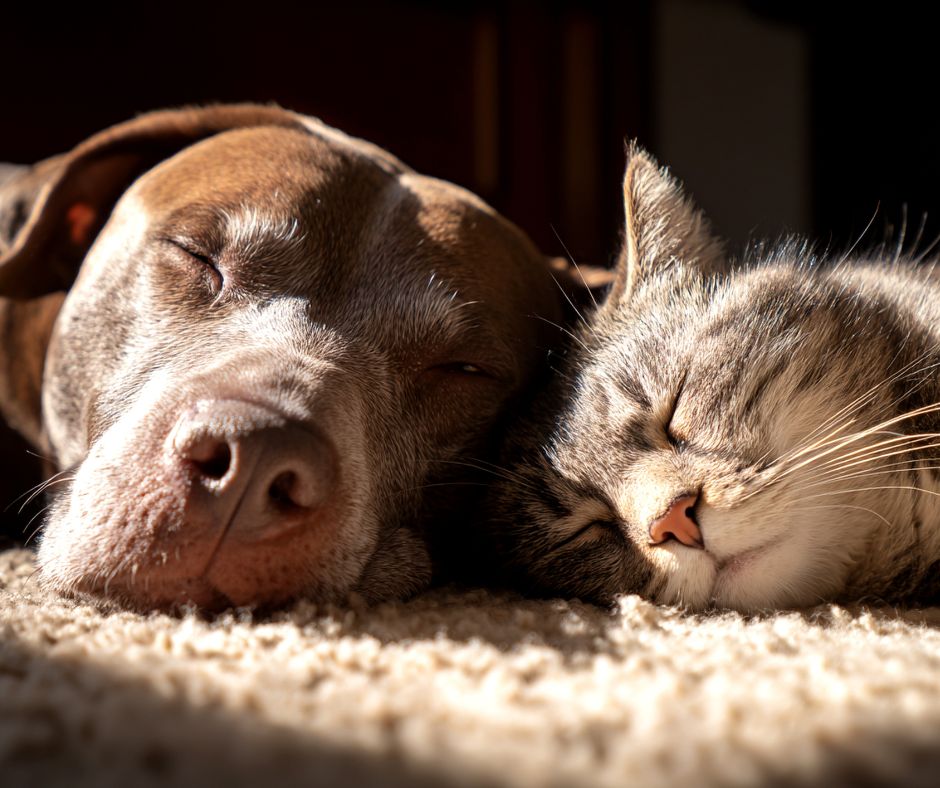
At a Glance: Natural Remedies for Breathing Issues in Pets
- Breathing problems can escalate quickly—especially in cats and flat-faced breeds
- Steam, humidity, coupage, and gentle airway support may help loosen congestion
- Natural remedies are supportive and should not replace urgent veterinary care for labored breathing
Breathing issues in dogs and cats can range from mild nasal congestion to serious respiratory distress. Causes include kennel cough, feline herpesvirus, allergies, asthma, sinus infections, pneumonia, heart disease, environmental irritants, and breed-related airway problems.
Natural remedies can be helpful for mild congestion, coughing, throat irritation, and immune support, but breathing problems should always be watched carefully. Cats, senior pets, toy breeds, puppies, kittens, and brachycephalic breeds such as Bulldogs, Pugs, Boston Terriers, Persians, and Himalayans can decline quickly.
Quick Nav:
▸ Common Causes
▸ Warning Signs
▸ Community Favorites: Deep-Dive Remedies
▸ Kennel Cough Support
▸ Cat Respiratory Support
▸ Steam & Humidity Therapy
▸ Coupage & Physical Techniques
▸ Environmental Control
▸ Key Nutrients
▸ Herbal Support
▸ Essential Oil Safety
▸ Flat-Faced Breeds
▸ Emergency Warning Signs
▸ When to See a Vet
Common Causes of Breathing Issues in Pets
- Kennel cough in dogs
- Upper respiratory infections
- Feline herpesvirus or “cat flu”
- Allergies to pollen, dust, mold, or food
- Asthma, especially in cats
- Heart disease or fluid buildup
- Smoke, candles, air fresheners, perfumes, cleaning products, or essential oils
- Brachycephalic airway syndrome in flat-faced breeds
Warning Signs to Watch For
- Coughing, gagging, or honking cough
- Sneezing or nasal discharge
- Wheezing or noisy breathing
- Rapid breathing while resting
- Open-mouth breathing, especially in cats
- Pale, blue, or gray gums
- Loss of appetite, especially in congested cats
- Lethargy, weakness, or collapse
Earth Clinic readers have long reported success with simple, low-cost remedies for mild respiratory symptoms in pets. The most commonly discussed include apple cider vinegar, humidity, vitamin C for dogs, lysine for cats, and careful environmental cleanup.
Earth Clinic note: Reader-reported remedies can be valuable, but labored breathing is never a “wait and see” symptom. When breathing looks difficult, seek veterinary care.
Kennel Cough Support for Dogs
Kennel cough often causes a dry, honking cough, gagging, throat irritation, and coughing after excitement or exercise. Mild cases may improve with rest, humidity, and immune support, but puppies, seniors, and dogs with worsening symptoms need veterinary care.
Raw Honey for Dogs
Raw honey is often used to soothe the throat and calm coughing in dogs.
- Small dogs: 1/4 teaspoon
- Medium dogs: 1/2 teaspoon
- Large dogs: 1 teaspoon
Honey is not recommended for diabetic dogs or very young puppies unless approved by a veterinarian.
Vitamin C: Sodium Ascorbate
Sodium ascorbate is a gentler form of vitamin C commonly used by holistic pet owners for immune support in dogs. Earth Clinic readers often discuss gradually increasing vitamin C to “bowel tolerance,” meaning the dose is slowly raised until stools become loose, then reduced to the previous comfortable amount.
Vitamin C should be introduced gradually. Dogs with kidney disease, bladder stones, or sensitive digestion should use vitamin C only with veterinary guidance.
Hydrogen Peroxide in Water
Some Earth Clinic readers have reported using extremely diluted food-grade hydrogen peroxide in a dog’s water bowl for kennel cough and respiratory infections. This is a controversial remedy and must be approached cautiously, as hydrogen peroxide can irritate the mouth, throat, stomach, and digestive tract if too concentrated or used improperly.
Safety Warning: Never give undiluted hydrogen peroxide internally. Do not use drugstore 3% peroxide directly in the mouth or water bowl without proper dilution guidance from a qualified veterinarian. Do not use this remedy for cats, puppies, tiny dogs, vomiting pets, or pets with ulcers, kidney disease, severe illness, or labored breathing.
Cat Respiratory Support
Cats with congestion may stop eating because they cannot smell their food. Keeping the nose clear and supporting hydration are often just as important as supplements.
L-Lysine for Feline Herpesvirus
Feline herpesvirus is a common cause of recurring sneezing, watery eyes, nasal congestion, and “cat flu” symptoms. L-lysine is frequently used by cat owners for herpes-related flare-ups.
- Often used short-term during flare-ups
- Available as powder, gel, chews, or treats
- Best used with veterinary guidance for chronic cases
Keep the Nose Clear
Use a warm, damp, soft cloth to gently remove dried discharge from the nostrils. This can make a major difference in comfort and appetite.
Encourage Eating
- Warm wet food slightly to increase aroma
- Offer strong-smelling foods such as sardine water or plain cooked chicken
- Call a vet quickly if a cat stops eating
Steam & Humidity Therapy
Moist air can help loosen mucus, soothe irritated airways, and make breathing easier for pets with mild congestion.
- Run a hot shower and sit with your pet in the steamy bathroom for 10–15 minutes
- Use a cool-mist humidifier near your pet’s resting area
- Keep sessions calm and never force a frightened pet to stay
Apple Cider Vinegar Steam Boost
Some Earth Clinic users add a small splash of apple cider vinegar to a bowl of steaming water or the bathroom steam environment to help cut through thick mucus. Keep the pet away from the hot water, and do not force direct inhalation.
Do not add vinegar directly to a humidifier unless the manufacturer says it is safe for that model.
Coupage & Physical Techniques
Coupage: Gentle Chest Percussion
Coupage is a simple technique that may help loosen phlegm in the chest so a pet can cough it up. Cup your hand and gently clap the sides of the chest for a few minutes while the pet is standing or lying comfortably.
- Use a gentle, hollow “clapping” motion
- Do not pound or press hard
- Stop if your pet becomes distressed
- Do not use after chest trauma or surgery unless a vet approves
Hydration
Fluids help thin mucus. Offer fresh water, wet food, or pet-safe broth without onions, garlic, or heavy salt.
Environmental Control
Air quality is one of the most important natural “remedies” for breathing problems.
- Remove smoke, incense, candles, plug-ins, and air fresheners
- Use unscented cleaning and laundry products
- Vacuum frequently with a HEPA filter
- Wash bedding often
- Use a HEPA air purifier in the room where your pet sleeps
- Check for mold, damp basements, dusty vents, and dirty HVAC filters
Key Nutrients for Respiratory Support
- Omega-3 fatty acids: support healthy inflammation balance in airways
- Vitamin C: immune support for dogs, especially sodium ascorbate
- L-lysine: commonly used for cats with feline herpesvirus flare-ups
- Quercetin: natural allergy support, sometimes called “nature’s antihistamine”
- NAC: helps thin mucus, but should be used with veterinary guidance
Herbal Support
Herbs may be useful for mild cough, throat irritation, and immune support, but they should be used carefully in pets.
- Mullein: traditional lung and cough support
- Thyme: traditionally used for cough and microbial balance
- Licorice root: soothing to irritated airways, but not for pets with high blood pressure, heart disease, kidney disease, or steroid use unless vet-approved
- Echinacea: short-term immune support
Apple Cider Vinegar for Respiratory Support
Apple cider vinegar is one of Earth Clinic’s most popular household remedies. Pet owners commonly use it for general immune support, pH balance, congestion, and mild respiratory symptoms.
Common Uses
- Water bowl: a very small amount added to drinking water, if the pet accepts the taste
- Back of neck: diluted ACV applied externally by some readers
- Steam support: a splash used near steam therapy to help loosen mucus
Always dilute apple cider vinegar. Do not use it on broken, irritated, or inflamed skin. Never force a pet to drink vinegar water if it reduces water intake.
Essential Oil Safety
Important Essential Oil Warning
Many “respiratory” essential oils are unsafe for pets, especially cats. Eucalyptus, peppermint, tea tree, wintergreen, clove, cinnamon, and many blends can trigger drooling, vomiting, tremors, liver stress, or breathing distress.
- Do not confine pets in a room with an active diffuser
- Do not apply essential oils directly to your pet
- Use extra caution with cats, birds, puppies, kittens, and small dogs
- Stop diffusing immediately if coughing, sneezing, drooling, hiding, or lethargy occurs
Support for Flat-Faced Breeds
Brachycephalic breeds such as Pugs, Bulldogs, French Bulldogs, Boston Terriers, Boxers, Persians, and Himalayans have narrower airways and are more prone to breathing difficulty.
- Weight control is essential: keeping these pets lean is one of the most effective natural supports
- Avoid heat and humidity: warm, steamy rooms can make breathing worse for these breeds
- Use harnesses instead of collars: avoid pressure on the trachea
- Keep exercise gentle in warm weather: overheating can become dangerous quickly
Special caution: Steam therapy may not be appropriate for flat-faced pets if the bathroom becomes hot or humid. Use a cool-mist humidifier instead and keep the room comfortably cool.
⚠️ Emergency Warning Signs
Seek Immediate Veterinary Care If You Notice:
- Open-mouth breathing in a cat
- Blue, gray, or pale gums
- Severe wheezing or struggling to breathe
- Rapid breathing while resting that does not improve
- Collapse, weakness, or extreme lethargy
- Foam, blood, or pink fluid from the mouth or nose
- Breathing symptoms after trauma, choking, poisoning, or heat exposure
Do not attempt home remedies during respiratory distress. Go to an emergency veterinarian.
When to See a Veterinarian
- Symptoms last more than 2–3 days
- Cough worsens or becomes wet/productive
- Your pet has fever, loss of appetite, or lethargy
- A cat is congested and not eating
- Your pet has heart disease, asthma, collapsing trachea, or chronic respiratory illness
- Your pet is a puppy, kitten, senior, or flat-faced breed
Natural remedies can provide meaningful support for mild symptoms, but proper diagnosis is essential when breathing problems recur, worsen, or involve the lungs, heart, or lower airways.
Share Your Experience: What natural remedies have helped your pet with kennel cough, sinus congestion, feline respiratory issues, or breathing problems? Your feedback helps other pet owners find safe and effective options.





