People with PD are at increased risk for kidney stones, urinary stones and the typical and often severe pain that can accompany these stones. Here is what AI has to say about how this pain can feel in people :
:::::::::::::::::::::::::::::::::::::::::::::::::::::::::::::::::::::::::::::::::::::::::::::::::::::::::::::::::::::::::::::::::::::::::::::::::::::::::::::::
In people with Parkinson's disease (PD), pain from kidney and urinary stones often presents as intense, cramping, or burning sensations in the back, flank, and groin. However, because Parkinson's alters the nervous system, this pain can feel unpredictable, radiating to the abdomen, triggering sudden muscle stiffness, or causing severe confusion and cognitive changes. The exact ways these stones can feel include: Intense, Spasming "Colicky" Pain: Stones that obstruct the ureter (tubes connecting kidneys to the bladder) can cause sharp, cramping waves of serious pain that radiate from your back and side down toward your lower stomach and groin area. Abdominal and Bladder Discomfort: Bladder stones can cause lower belly pain, a heavy burning sensation, or sharp stinging during urination. Worsening PD Motor Symptoms: Pain is a significant non-motor symptom of Parkinson's and can worsen during your "off" periods. When an acute blockage occurs, it can trigger severe muscle stiffness, akathisia (restlessness), or even make your limbs shake more intensely.
:::::::::::::::::::::::::::::::::::::::::::::::::::::::::::::::::::::::::::::::::::::::::::::::::::::::::::::::::::::::::::::::::::::::::::::::::::::::::::::::::
I bring this up because many people with PD have reported pain that sounds very similar to the pain that kidney stones can cause. Often times this pain does not respond to standard pain relievers, another common mention by people with PD. Since PD itself is known to cause many types of pain, people with PD often mention that PD is the cause and as such, they may just have to suffer with this pain as part of the disease process.
Since people with PD are at increased risk for these stones, perhaps their doctors should give more consideration to the possibility of kidney stones, urinary stones or both, which doctors can test for through several common tests. Blood, urine and medical imaging. Here is an AI description explaining why people with PD can be prone to stone formation as well as information useful for prevention :
:::::::::::::::::::::::::::::::::::::::::::::::::::::::::::::::::::::::::::::::::::::::::::::::::::::::::::::::::::::::::::::::::::::::::::::::::::::::::::::::::
Yes, individuals with Parkinson's disease (PD) are at a higher risk for developing kidney and urinary stones. This susceptibility is primarily driven by nerve changes that lead to bladder issues, recurrent infections, and limited mobility. Why PD Increases the Risk of Stones Neurogenic Bladder: PD impacts the autonomic nervous system, which controls urination. This can cause neurogenic bladder dysfunction, where the bladder fails to empty completely or holds urine for too long (urinary stasis). Stagnant urine allows mineral crystals to form and cluster into stones. Chronic Infections: Incomplete bladder emptying frequently leads to Urinary Tract Infections (UTIs). Specific bacteria in these recurrent infections create an environment that encourages the formation of infection-related stones, such as struvite stones. Immobility: Decreased physical movement and mobility issues associated with PD can negatively affect the urinary system, exacerbating urine retention and slowing the natural passage of crystals out of the body.
::::::::::::::::::::::::::::::::::::::::::::::::::::::::::::::::::::::::::::::::::::::::::::::::::::::::::::::::::::::::::::::::::::::::::::::::::::::::::
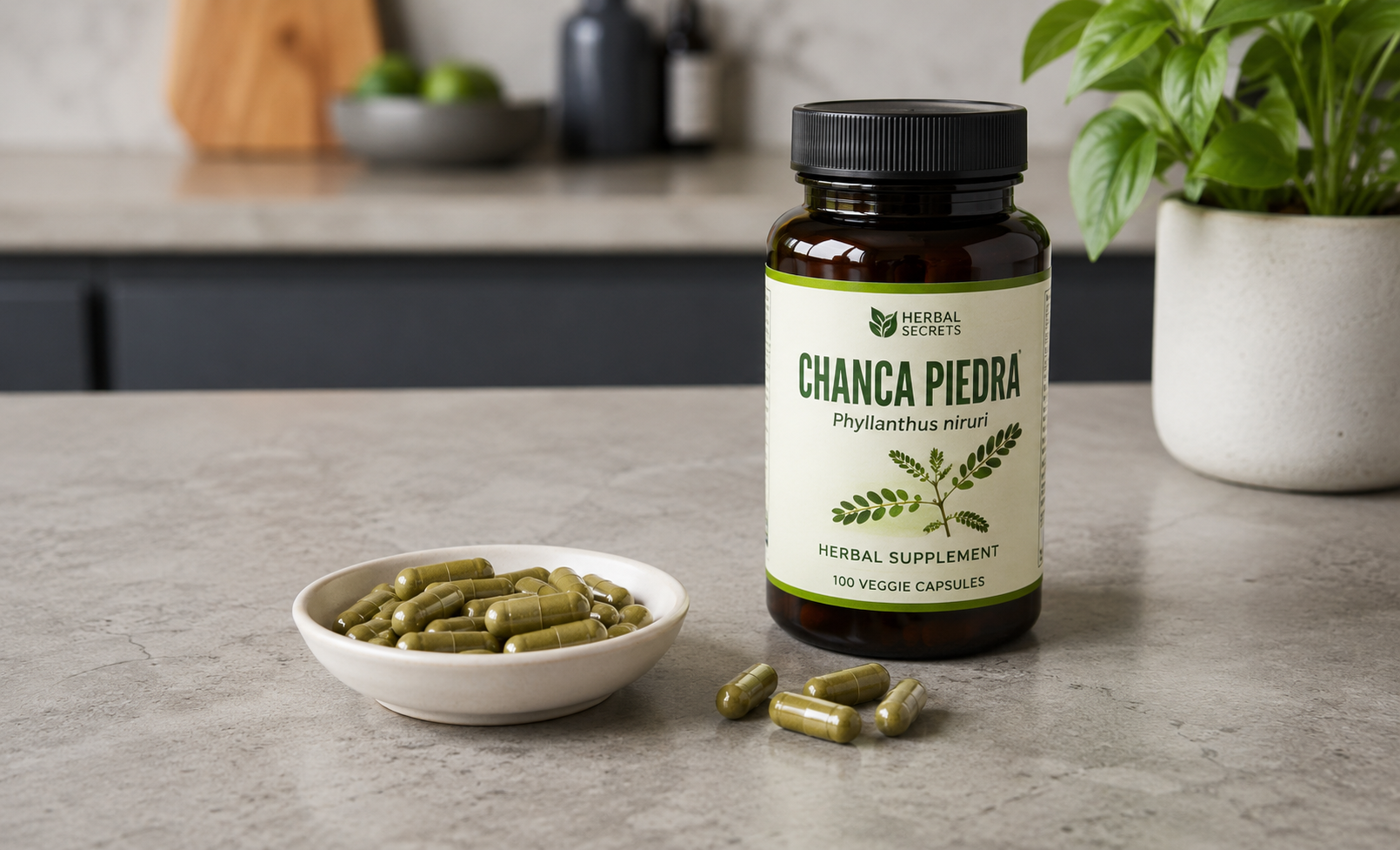
If your doctor determines you have or are prone to these stones, another useful consideration that I have had good results with in myself and friends is an herb called " Chanca Piedra"/Phyllanthus Niruri, which I try to always keep on hand. Chanca Piedra is loosely translated into "stone breaker". In my experience, it has been useful for breaking up or preventing these stones from forming in the first place and significantly reducing the pain associated with these stones. Here is a page on Amazon that offers Chanca Piedra :
https://www.amazon.com/s?k=chanca+piedra&crid=1M1P0LJYTGB76&sprefix=chanca+piedra,aps,132&ref=nb_sb_noss_1
Dosing and milligrams can vary from various makers of CP, but I usually use 3 grams per day in three divided doses of one gram in the morning, one gram at midday and one gram in the later evening.
For me, the pain caused by these stones is a severe, sudden stabbing pain in my lower back which can happen on the left, right or both sides of my mid to lower back, if I move suddenly or back into something with my back. This latest episode has also caused so much tightness in my back that even my upper back and neck got their share of pain. My back is usually very stiff with very significantly decreased range of motion when I get these stones. These stones are generally very painful and not very responsive to my usual pain management regulars such as melatonin lotion/gel, topical MSM, icing or topical Ibuprofen or topical naproxen. For me the CP starts reducing the pain in the first day of use and continues to improve from there. I usually continue taking CP for a few days after all pain is gone to try and make sure it has broken up all of the stones. CP seems to have a good safety profile and is less invasive than some of the methods that doctors use for stone breaking.
In any case, if you think your pain may be related to these stones, it is worth discussing the issue with your doctor, movement disorder specialist (MDS) or neurologist and also discussing Chanca Piedra with your doctors to make sure it is compatible with your medications and safe for you to take.
I wanted to share this post with the EC community while the pain is still very fresh in my mind from a very recent bout of these stones. I also wanted to share the wonderful relief offered by CP from the pain as well as being the remedy that has always worked for me! In my experience, in some people, the pain can be worse than I have ever experienced myself to where a person was unable to get up from the floor where the pain had put them on the floor. The pain location and level seems to vary from person to person.
Knowing that PD can increase your chances for kidney stones and that kidney stone pain can be similar to many of the pains that people with PD report having, it might be a good idea for your doctor to rule out kidney stones as a possible cause for your pains. CP can not only break up kidney stones, but can act as a preventative for people who seem to be more inclined to get them. In fact, one friend has been taking them daily for at least two years as a preventative because they are very prone to getting these stones.
Another person with PD told me the following:
' I had 60 stones removed recently from bladder and on follow up had another 20. I had severe back pain every morning rising out of bed. I didn't connect back pain and stones due to having PD. '
It is not just my opinion that CP works for this purpose, there are human studies confirming it also as discussed here :
https://pmc.ncbi.nlm.nih.gov/articles/PMC6092661/
Here is a relevant quote from the human study :
' P.niruri intake is safe and does not cause significant adverse effects on serum metabolic parameters. It increases urinary excretion of magnesium and potassium caused a significant decrease in urinary oxalate and uric acid in patients with hyperoxaluria and hyperuricosuria. The consumption of P.niruri contributed to the elimination of urinary calculi. '
Many on EC are already very familiar with CP and its effectiveness, but this is mainly for those with PD who are not aware of CP, but should be!
So if you have PD and constant back pain that doesn't respond well to pain meds, you could discuss the possibility of kidney stones with your doctor, neurologist or MDS.
Related Links:
Parkinson's Disease Remedies





