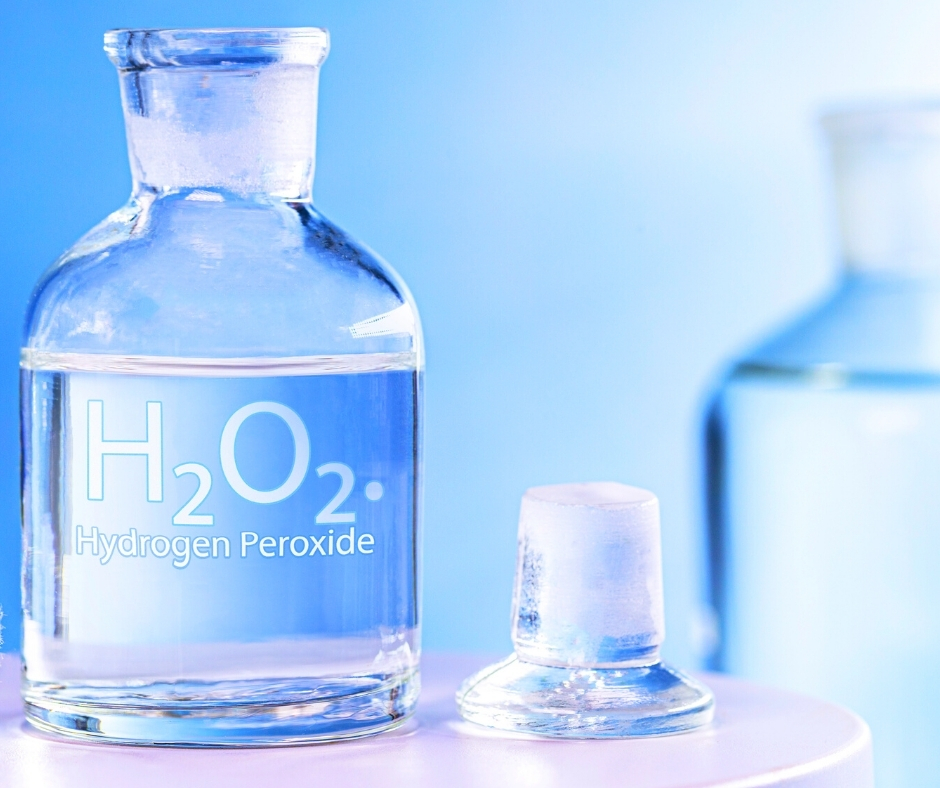
Hydrogen peroxide (H2O2) has been discussed on Earth Clinic for decades as a low-cost remedy for sinus congestion, oral health, detoxification support, skin cleansing, respiratory wellness, and oxidative therapy protocols.
Supporters believe hydrogen peroxide works because it temporarily releases oxygen as it breaks down into water, potentially altering microbial environments and supporting natural cleansing processes.
In 2026, hydrogen peroxide is increasingly discussed alongside topics such as biofilm disruption, oral microbiome balance, Reactive Oxygen Species (ROS) signaling, redox support, and exogenous oxygen therapy.
Because concentrated peroxide is highly reactive, proper dilution and careful handling are essential.
At a Glance: Hydrogen Peroxide Protocol
Use only non-stabilized food-grade hydrogen peroxide for internal dilution protocols.
Always dilute carefully using distilled water — all drop counts below refer to drops of concentrated peroxide added to 8 oz of distilled water.
Start low and increase gradually to reduce detox reactions.
Take on an empty stomach for best absorption.
Temporary detox reactions may occur if dosage increases too rapidly.
Never ingest undiluted peroxide.
Why Hydrogen Peroxide Is Used
Hydrogen peroxide breaks down into water and oxygen. Supporters believe this temporary oxygen release may help alter microbial environments, disrupt biofilms, and support natural cleansing processes.
In 2026, peroxide protocols are increasingly discussed in relation to:
Oxidative therapy
Reactive Oxygen Species (ROS) signaling
Redox balance
Sinus biofilms
Oral microbiome support
Environmental pathogen exposure
Exogenous oxygen therapy
Important: Hydrogen peroxide is highly reactive. More is not necessarily better, and rapid increases may lead to uncomfortable detox reactions.
Catalase & Glutathione: The Safety Enzymes
The body naturally produces enzymes that break hydrogen peroxide down into harmless water and oxygen. The two primary protective systems are Catalase and Glutathione Peroxidase.
These enzymes help regulate oxidative stress and prevent excess peroxide accumulation inside tissues.
Some practitioners believe people with low mineral status may experience stronger peroxide “detox” reactions because these enzymes depend on nutrients such as:
Selenium
Iron
Manganese
Copper
2026 Redox Insight: Many biohacking protocols now combine peroxide therapy with glutathione support, mineral replenishment, and antioxidant cycling to maintain healthy oxidative balance.
Biofilm Disruption & Quorum Sensing
Many chronic bacteria and fungi are believed to protect themselves behind slimy protective layers called biofilms.
These microbial colonies communicate through a process called biofilm quorum sensing, allowing pathogens to coordinate survival strategies and resist antimicrobials.
Supporters of peroxide therapy believe hydrogen peroxide acts as an oxidative wedge that may help weaken biofilms and expose hidden microbes to oxygen and other therapies.
This is one reason peroxide is often discussed alongside:
Oregano oil
Methylene blue
Colloidal silver
Biofilm enzymes
Mineral protocols
Dosage Schedule Overview
The following dosage schedule outlines a gradual increase protocol for 35% food-grade hydrogen peroxide, along with approximate equivalents for 12% and 3% solutions.
All amounts listed are in drops. Each dose should be mixed into 8 ounces of distilled water and taken on an empty stomach, 3 times per day.
Beginner Phase (Days 1–7)
Day
Drops of 35%
Drops of 12%
Drops of 3%
Doses/Day
1
3 drops
9 drops
36 drops
3
2
4 drops
12 drops
48 drops
3
3
5 drops
15 drops
60 drops
3
4
6 drops
18 drops
72 drops
3
5
7 drops
21 drops
84 drops
3
6
8 drops
24 drops
96 drops
3
7
9 drops
27 drops
108 drops
3
Note: The 12% and 3% drop counts are approximate equivalents to the 35% dose by volume of active peroxide. Always use a clean dropper for accurate measurement.
Intermediate Phase (Days 8–15)
All amounts are drops of 35% food-grade hydrogen peroxide, diluted in 8 oz distilled water, taken 3 times daily.
Day 8 = 10 drops
Day 9 = 11 drops
Day 10 = 12 drops
Day 11 = 13 drops
Day 12 = 14 drops
Day 13 = 15 drops
Day 14 = 16 drops
Day 15 = 17 drops
Advanced Phase (Days 16–23)
All amounts are drops of 35% food-grade hydrogen peroxide, diluted in 8 oz distilled water, taken 3 times daily.
Day 16 = 18 drops
Day 17 = 19 drops
Day 18 = 20 drops
Day 19 = 21 drops
Day 20 = 22 drops
Day 21 = 23 drops
Day 22 = 24 drops
Day 23 = 25 drops
Maintenance Phase
Maintenance Protocol: After reaching 25 drops per dose, many readers gradually taper downward by 1 drop per day until reaching a maintenance level of 3 drops, 3 times daily, each diluted in 8 oz of distilled water.
Redox Support Nutrients
Some readers use supportive nutrients alongside peroxide protocols to help maintain healthy oxidative balance.
Support Nutrient
Why It’s Used
Common Sources
Vitamin C
Acts as an electron donor and supports antioxidant balance
Liposomal Vitamin C, Camu Camu
Selenium
Supports Glutathione Peroxidase enzymes
Brazil Nuts, Selenomethionine
Manganese
Supports mitochondrial antioxidant enzymes
Spinach, Pecans, Trace Minerals
Dental Probiotics
Supports oral flora after peroxide rinsing
S. salivarius K12 / M18 strains
Common Detox & Adjustment Reactions
Some readers report temporary symptoms when increasing peroxide dosage too rapidly. These reactions are often described as “die-off” or Herxheimer-like responses.
Headaches
Fatigue
Mild nausea
Brain fog
Sinus drainage
Loose stool
Temporary flu-like symptoms
If symptoms become uncomfortable:
Reduce the number of drops temporarily
Increase hydration
Slow the rate of daily increase
Pause for several days if needed
Oral Microbiome Caution
Hydrogen peroxide is widely used for short-term oral rinsing during gum irritation, infections, and dental discomfort.
However, excessive long-term use may disrupt the balance of beneficial bacteria within the oral microbiome.
Some practitioners recommend following peroxide rinses with:
Dental probiotics
Mineral remineralization rinses
Gentle saltwater rinses
This approach may help restore microbial balance while supporting healthier gums and oral ecology.
Bill Munro & Nebulized Peroxide Methods
The late Bill Munro became widely known on Earth Clinic for discussing peroxide inhalation methods involving diluted peroxide sprays inhaled through the mouth.
In recent years, searches for nebulized peroxide protocols have also increased significantly.
Because inhalation approaches involve sensitive lung tissue, readers should proceed carefully and research thoroughly before attempting any inhalation or nebulizing protocol.
Caution: Overly concentrated peroxide solutions may irritate respiratory tissues and sensitive lungs. Never inhale undiluted or improperly diluted peroxide.
Instructions & Safety Warnings
Use only food-grade hydrogen peroxide.
Always dilute properly using distilled water — never use tap water, which may contain contaminants that react with peroxide.
All drop counts refer to drops of concentrated peroxide added to 8 oz of distilled water.
Take doses on an empty stomach.
Never exceed recommended drop counts.
Avoid contact with eyes and mucous membranes.
Store concentrated peroxide carefully, securely, and away from heat and light.
Consult a healthcare professional before beginning peroxide therapy if pregnant, taking medications, or managing a chronic illness.
Keep peroxide products away from children and pets.
Critical Safety Note: 35% food-grade hydrogen peroxide is highly concentrated and can cause serious burns if mishandled. Always dilute carefully and wear protective gloves when handling concentrated solutions.
Download the PDF
Click the Earth Clinic link below to download the hydrogen peroxide dosage schedule in PDF format.
The comments below reflect the personal experiences and opinions of readers and do not represent medical advice or the views of this website. The information shared has not been evaluated by the FDA and is not intended to diagnose, treat, or prevent any disease or health condition. Always consult a qualified healthcare professional for medical concerns.
I have the 3% H2O2, food grade, that we're using in a nebulizer for a pancreatic cancer diagnosis--3 times/day & have just started to use. We'd like to also start the ingestion protocol found in the one min c___book but it pertains to the 35% HP. Can anyone point me to a daily # of drops using the 3% HP? Much appreciated! Karen
Fenbendazole also is known to work for pancreatic cancer. As for H2O2 it depends on where the tumor is. Tumors that are located in the head aren't as aggressive as those that are in the body and tail. I would use both, pancreatic cancer is vicious.
Hi. I am on the HP protocol. I have got to the 51 drops ( 11.99%) stage. Would it be ok to stay on this dose for the rest of the days. I am a small lady 9 stones
You must be logged in to this post! Please sign in:
Please note that we use cookies necessary for the functioning of our website, cookies that optimize the performance. To learn more about our cookies, how we use them and their benefits, please read our Privacy Policy