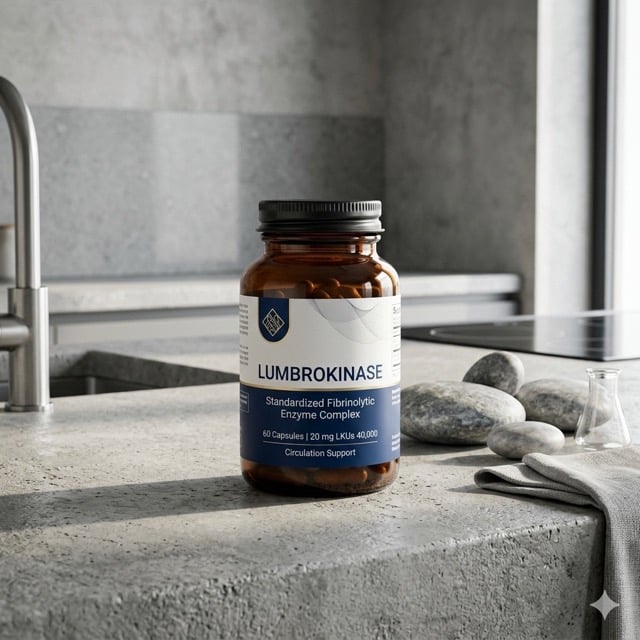
Lumbrokinase is a fibrinolytic enzyme complex traditionally derived from earthworms and widely used to support circulation, break down excess fibrin, and assist in advanced cardiovascular and biofilm-focused protocols. On Earth Clinic, lumbrokinase has been discussed for over a decade by readers exploring natural approaches to blood flow, clot prevention, and chronic health conditions—providing a strong base of real-world experience alongside emerging research.
What is Lumbrokinase?
Lumbrokinase is a group of proteolytic enzymes that specifically target fibrin, the protein matrix that forms blood clots. Unlike standard blood thinners, lumbrokinase works by helping dissolve fibrin directly, making it a fibrinolytic enzyme rather than a simple anticoagulant.
This distinction is critical: instead of only preventing clot formation, lumbrokinase may help reduce existing fibrin burden and improve blood fluidity.
Earth Clinic Experience Signal (2026): Community feedback over the past decade shows lumbrokinase is frequently used not only for circulation support, but also in advanced protocols targeting chronic inflammation, post-clot recovery, and biofilm-related conditions.
Boluoke vs. Generic Lumbrokinase (Critical Distinction)
Not all lumbrokinase supplements are equal.
- Boluoke®: A standardized, research-grade extract used in clinical studies, with verified enzyme activity and purification.
- Generic “Lumbrokinase”: May vary widely in quality—some products are minimally processed earthworm powder with inconsistent enzyme activity.
Why this matters:
- Standardized extracts ensure consistent fibrinolytic activity
- Higher-quality products are tested to reduce risk of earthworm-derived contaminants or pathogens
Understanding Enzyme Activity (Not Just mg)
Milligrams alone do not determine effectiveness.
Lumbrokinase potency is measured in:
- LKU (Lumbrokinase Units)
- FU (Fibrinolytic Units)
Two products labeled “20 mg” can vary dramatically:
- High-quality: ~300,000+ units
- Low-quality: ~10,000 units or less
Key takeaway: Always look for enzyme activity units on the label—not just milligrams.
Top Health Benefits of Lumbrokinase
1. Supports Healthy Blood Flow
Breaks down excess fibrin to improve circulation and oxygen delivery.
2. Helps Reduce Fibrin Build-Up
Targets one of the root contributors to thickened blood and impaired circulation.
3. Biofilm Disruption (Major 2026 Use Case)
Lumbrokinase helps break down fibrin-based biofilms—protective layers used by chronic bacteria (such as those associated with Lyme disease or recurring infections). This makes it a powerful adjunct to antimicrobial protocols.
4. Cardiovascular Support
Supports normal blood viscosity and may complement heart health strategies.
5. Post-Clot and Recovery Support
Used in integrative protocols to support recovery and circulation after clot-related events (with medical supervision).
Synergy with Other Enzymes (Stacking Considerations)
Many Earth Clinic readers use lumbrokinase as part of an enzyme protocol.
- Nattokinase: Similar fibrinolytic action; often used as an alternative or rotated
- Serrapeptase: Targets inflammatory proteins and biofilms
Stacking caution:
- Using multiple enzymes together may increase bleeding risk
- Many users rotate enzymes or use lower doses of each rather than “triple stacking”
Vitamin K2 (MK-7): Often paired in protocols to help direct calcium away from arteries while lumbrokinase addresses fibrin buildup.
Recommended Dosage
Typical dosing ranges:
- 20–40 mg per day (or per product equivalent in enzyme units)
- Best taken on an empty stomach
- At least 30–60 minutes before food
Follow product-specific enzyme unit recommendations when available.
Important Safety Considerations
Use Extreme Caution: Lumbrokinase directly affects clotting pathways.
- Do NOT combine with: prescription anticoagulants unless supervised
- NSAIDs: High-dose aspirin or ibuprofen increases bleeding risk
- Natural thinners: Garlic, ginger, ginkgo, omega-3s (high doses)
- Before surgery: stop 1–2 weeks prior
Herxheimer ("Detox") Reaction
Because lumbrokinase breaks down fibrin and biofilms, it may release trapped toxins or pathogens.
Some users report:
- Fatigue
- Flu-like symptoms
- Skin breakouts
- Temporary worsening of symptoms
Best approach: Start low and increase gradually.
Allergy Warning
Lumbrokinase is derived from Lumbricus rubellus (earthworms).
- Avoid if you have a known earthworm or soil-organism allergy
- Discontinue immediately if allergic symptoms occur
Capsule Technology Matters
Lumbrokinase is a protein enzyme that can be degraded by stomach acid.
Higher-quality supplements often use:
- Enteric-coated capsules
- Acid-resistant delivery systems
This helps ensure the enzymes reach the small intestine intact for absorption.
Are There Non-Earthworm Alternatives?
Yes—while not identical, several alternatives provide similar benefits:
- Nattokinase: Closest functional alternative (fermented soy)
- Serrapeptase: Anti-inflammatory enzyme
- Bromelain: Mild fibrinolytic and anti-inflammatory effects
Nattokinase is generally considered the most comparable substitute for fibrin breakdown.
Conclusion
Lumbrokinase is one of the most targeted natural fibrinolytic agents available, with applications ranging from circulation support to advanced biofilm protocols. Its strength lies in directly addressing fibrin, but that same potency requires careful, informed use.
Have you tried lumbrokinase or enzyme stacking protocols? Continue reading to see what Earth Clinic readers report about results, dosing strategies, and precautions.





