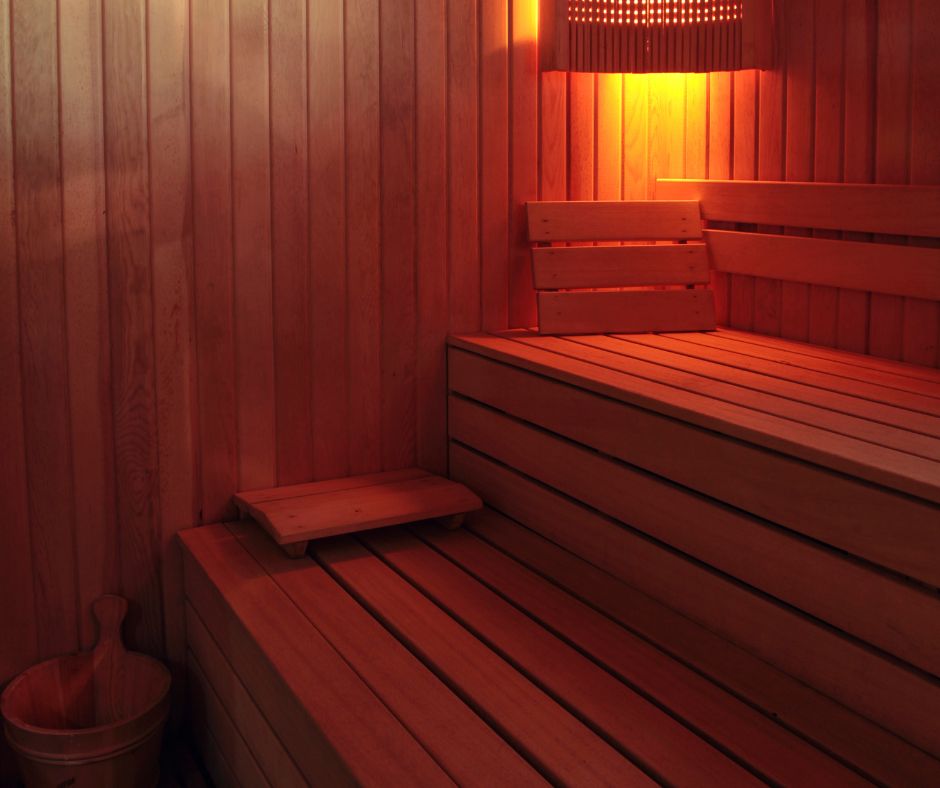
For centuries, people around the world have used heat therapy to relax tired muscles, cleanse the skin, ease aches and pains, and promote overall well-being. Whether it's a traditional Finnish dry sauna, a steam-filled Turkish bath, or a modern home steam sauna, regular heat exposure remains one of the oldest wellness practices still widely enjoyed today.
Modern research has helped explain why many people feel so much better after a sauna session. Regular sauna use has been associated with improvements in cardiovascular health, circulation, recovery after exercise, sleep quality, stress reduction, and chronic pain. Steam rooms, while different from dry saunas, offer many of these same benefits while providing additional support for the respiratory system and skin.
Earth Clinic readers frequently discuss using heat therapy as part of a broader wellness routine for arthritis, muscle stiffness, sinus congestion, chronic stress, and recovery after physical activity. While a sauna is not a cure for disease, it may serve as a valuable complement to healthy lifestyle habits when used safely and consistently.
This guide explores the similarities and differences between steam and dry saunas, examines what current research says about their health benefits, explains who should use caution, and provides practical tips for getting the most from each session.
At a Glance
Best Overall Benefits
- Improved circulation
- Stress reduction
- Muscle recovery
- Joint stiffness relief
- Better sleep
Steam Sauna Excels For
- Sinus congestion
- Dry airways
- Skin hydration
- Respiratory comfort
Dry Sauna Excels For
- Cardiovascular conditioning
- Post-exercise recovery
- Relaxation
- Long-term wellness routines
Important Cautions
- Stay hydrated
- Avoid alcohol before sauna use
- Leave immediately if dizzy
- Discuss sauna use with your physician if you have heart disease, uncontrolled blood pressure, or are pregnant.
Quick Navigation
What Is a Steam Sauna?
A steam sauna—often called a steam room—uses a steam generator to fill an enclosed space with warm, humid air. Temperatures generally range from 100°F to 120°F (38–49°C), while humidity approaches 100%. Although the air temperature is lower than in a dry sauna, the high humidity makes the environment feel considerably hotter.
The moist air helps keep the respiratory passages from drying out and is one reason many people prefer steam when dealing with seasonal congestion, allergies, or sinus discomfort. Steam also leaves the skin feeling hydrated and supple, though much of this effect comes from moisture sitting on the skin rather than penetrating deeply into it.
Did You Know?
Many gyms call them "steam saunas," but technically they are steam rooms. Traditional saunas use heated air rather than steam.
What Is a Dry Sauna?
A dry sauna uses heated rocks or an electric heater to warm the surrounding air while maintaining relatively low humidity. Traditional Finnish saunas typically operate between 160°F and 200°F (70–93°C). Humidity generally remains below 20%, although briefly pouring water over hot rocks can temporarily increase humidity.
The hotter, drier environment promotes intense sweating while allowing sweat to evaporate more readily from the skin. Most of the large population studies linking sauna use with improved cardiovascular health have examined traditional Finnish dry saunas.
Steam Sauna vs. Dry Sauna
Steam Sauna
- Lower temperature
- Very high humidity
- Feels intensely warm
- Excellent for congestion
- Hydrates the skin surface
- Comfortable for people who dislike very hot air
Dry Sauna
- Higher temperature
- Low humidity
- Sweat evaporates easily
- Most cardiovascular research
- Popular after exercise
- Traditional Finnish wellness practice
For many healthy adults, choosing between steam and dry sauna comes down to personal preference. Both increase core body temperature, stimulate circulation, promote sweating, and encourage relaxation. If your goal is easing sinus congestion or breathing comfortably, steam may feel more soothing. If you're interested in cardiovascular conditioning or following the sauna protocols used in most long-term studies, a dry sauna may be the better choice.
Shared Health Benefits of Steam and Dry Saunas
Although the environments differ, both forms of heat therapy produce many similar physiological effects. As your body warms, blood vessels widen, circulation increases, heart rate rises, and sweat glands become more active. These responses resemble the body's reaction to light-to-moderate aerobic exercise, though they are not a substitute for regular physical activity.
Potential Benefits Supported by Research
- Improved circulation
- Temporary reduction in blood pressure
- Muscle relaxation
- Reduced joint stiffness
- Stress reduction
- Improved sleep quality
- Enhanced recovery after exercise
- Improved feelings of well-being
Many of these benefits appear to become more noticeable with consistent use over weeks or months rather than after a single session.
Cardiovascular Health
One of the most studied benefits of regular sauna use is its effect on the cardiovascular system. During a sauna session, heart rate often increases to levels similar to those seen during moderate physical activity while blood vessels expand to improve blood flow.
Large Finnish population studies have found that people who regularly used traditional dry saunas several times per week tended to experience lower rates of cardiovascular disease and lived longer than those who used saunas less frequently. While these studies cannot prove that saunas alone caused these benefits, they suggest that regular heat exposure may contribute to healthier blood vessels, improved circulation, and lower blood pressure when combined with an overall healthy lifestyle.
Steam rooms appear to produce many of the same short-term circulatory effects, although they have been studied less extensively than traditional dry saunas.
Important: People with unstable heart disease, recent heart attack, severe aortic stenosis, uncontrolled high blood pressure, or severe low blood pressure should discuss sauna use with their healthcare provider before beginning regular sessions.
Stress, Mood, and Mental Well-Being
Many people consider the psychological benefits of sauna use to be just as valuable as the physical ones. The quiet environment, warmth, and temporary escape from daily stressors encourage relaxation and may help lower stress hormone levels.
Regular sauna users frequently report improvements in mood, reduced anxiety, better resilience to stress, and improved sleep. Heat exposure also stimulates the release of endorphins—the body's natural feel-good chemicals—which may contribute to the sense of calm many people experience afterward.
Emerging research suggests that consistent sauna use may support long-term brain health, although more studies are needed before firm conclusions can be drawn.
Muscle Recovery and Pain Relief
Heat has long been used to relieve muscle soreness, stiffness, and chronic aches. Sauna use increases blood flow to muscles and connective tissues, helping them relax after strenuous activity. Many athletes use dry saunas after training to promote recovery, while others prefer steam rooms because the moist heat feels especially soothing.
People living with osteoarthritis, rheumatoid arthritis, chronic neck tension, lower back discomfort, and generalized muscle stiffness often find that regular sauna sessions improve flexibility and reduce discomfort temporarily. The greatest benefit usually comes when sauna use is combined with stretching, regular exercise, good hydration, and adequate sleep.
In the next section, we'll explore how steam and dry saunas affect respiratory health, skin, metabolism, sleep, immune function, arthritis, and weight management, along with practical sauna routines for different health goals.
Respiratory Health and Sinus Support
One of the biggest reasons people choose a steam sauna (steam room) is to relieve nasal congestion and support easier breathing. Warm, moist air can temporarily loosen mucus, soothe irritated nasal passages, and make breathing feel more comfortable during a cold, seasonal allergies, or sinus congestion.
Many Earth Clinic readers report using steam as part of a broader sinus-care routine that may also include saline rinses, adequate hydration, and humidified indoor air during the winter months. While steam does not cure sinus infections or allergies, it may help reduce feelings of congestion and improve comfort.
Steam Sauna May Be Especially Helpful For:
- Seasonal nasal congestion
- Dry nasal passages
- Mild allergy symptoms
- Temporary sinus pressure
- Dry cough associated with irritated airways
Dry saunas may also promote relaxation and easier breathing for some individuals, but the hot, dry air can irritate people with asthma or very dry airways. Personal preference often determines which environment feels more comfortable.
Important: If you have asthma, chronic obstructive pulmonary disease (COPD), or another chronic lung condition, ask your healthcare provider whether steam or dry heat is appropriate for you. Some people experience symptom relief, while others may find intense heat triggers breathing difficulties.
Skin Health
Many people notice their skin feels softer and cleaner after using a steam room or sauna. Increased sweating helps remove dirt, excess oil, and dead skin cells from the skin's surface, while improved circulation may temporarily give the complexion a healthy glow.
Steam rooms are often favored for cosmetic skin benefits because the humid air helps prevent excessive drying during the session. Dry saunas, while excellent for circulation, may leave some people with dry or tight-feeling skin afterward.
Potential Skin Benefits
- Temporary improvement in circulation
- Sweating helps clear surface debris
- May improve skin appearance after exercise
- Supports relaxation of facial muscles
What Sauna Doesn't Do
- Does not "detox" the skin
- Does not permanently open pores
- Does not cure acne or eczema
- Cannot replace a consistent skincare routine
If you have eczema, rosacea, or psoriasis, sauna tolerance varies widely. Some people experience improvement, while others find that heat triggers flare-ups. Shorter sessions at lower temperatures are often a better place to start.
Better Sleep
Many regular sauna users say one of the greatest benefits isn't immediate—it's how well they sleep afterward.
As your body cools following a sauna session, the drop in core temperature may help signal the body that it's time to sleep. Combined with muscle relaxation and reduced stress, this natural cooling process may contribute to deeper, more restorative sleep.
For Better Sleep
- Finish your sauna session 1–2 hours before bedtime.
- Drink water afterward.
- Allow your body to cool naturally.
- Avoid alcohol after sauna use.
Some people find evening steam sessions especially calming, while others prefer a dry sauna after afternoon exercise. Either approach may help establish a relaxing bedtime routine.
Heat exposure increases heart rate, circulation, and energy expenditure while you're in the sauna. However, it's important to separate temporary calorie burning from meaningful weight loss.
Although you may lose several pounds during a long sauna session, almost all of that weight is water that returns once you rehydrate.
More interesting is emerging research suggesting that regular sauna use may improve insulin sensitivity, vascular function, and metabolic health over time. Scientists believe repeated heat exposure may activate beneficial cellular stress responses that improve how the body functions, although more research is needed to determine exactly how significant these effects are.
Reality Check: Saunas can complement a healthy lifestyle, but they are not a substitute for exercise or healthy eating when it comes to losing body fat.
Exercise Recovery and Athletic Performance
Athletes have used saunas for decades to speed recovery after training. Heat increases blood flow to muscles, promotes relaxation, and may reduce the sensation of soreness following strenuous exercise.
Some endurance athletes also incorporate sauna sessions after workouts because repeated heat exposure may help the body adapt to exercising in hot conditions.
Recovery Tips
- Hydrate before entering the sauna.
- Wait until your heart rate begins returning toward normal after intense exercise.
- Drink water and replace electrolytes afterward if you've perspired heavily.
- Stretch gently after cooling down.
If your workout already left you significantly dehydrated, postpone sauna use until you've replaced lost fluids.
Arthritis and Chronic Pain
Heat has long been used to reduce stiffness associated with arthritis and other chronic musculoskeletal conditions. By increasing circulation and relaxing muscles surrounding affected joints, both steam and dry saunas may temporarily improve flexibility and reduce discomfort.
Several studies involving people with osteoarthritis, rheumatoid arthritis, and chronic pain have reported improvements in pain, stiffness, and quality of life following regular sauna use. The greatest benefits generally occur when sauna sessions are combined with appropriate exercise, physical therapy, weight management, and adequate sleep.
Some Earth Clinic readers also report combining sauna sessions with stretching, massage, red light therapy, or contrast therapy (alternating heat and cold), although these approaches have been studied less extensively.
Can Sauna Strengthen the Immune System?
One of the most common claims about saunas is that they "boost immunity." While the reality is more nuanced, there is evidence that regular heat exposure may influence the immune system in beneficial ways.
Heat temporarily increases production of heat shock proteins—protective molecules that help cells cope with physical stress. Sauna use may also temporarily increase circulation of certain immune cells. Some studies have found that people who use saunas regularly report fewer common colds, although the evidence remains mixed.
It's important to remember that a sauna is not a treatment for an active infection. If you have a fever, feel severely ill, or are dehydrated, it's generally best to skip the sauna until you've recovered.
What Often Gets Overlooked?
Many people focus on the heat itself but overlook the simple habits that determine whether sauna use leaves them feeling energized or exhausted.
Hydration
Even mild dehydration can increase fatigue, dizziness, headaches, and muscle cramps during or after a sauna session.
Electrolytes
Heavy sweaters may lose meaningful amounts of sodium and other electrolytes during longer sessions.
Recovery Time
Your body continues adapting after you leave the sauna. Cooling down slowly often feels better than immediately jumping into daily activities.
Consistency
Research suggests the greatest health benefits come from regular sauna use over months or years rather than occasional marathon sessions.
In the final section, we'll cover practical sauna routines for different health goals, common mistakes, important safety guidelines, who should avoid saunas, answers to frequently asked questions, and a summary of the most effective ways to incorporate steam or dry sauna use into a healthy lifestyle.
Sample Sauna Routines for Different Health Goals
There is no single "best" sauna routine for everyone. The ideal temperature, humidity, and session length depend on your health, heat tolerance, and goals. If you're new to sauna use, start with shorter sessions and gradually increase your time as your body adapts.
General Beginner Routine
- Type: Steam or dry sauna
- Duration: 10–15 minutes
- Frequency: 2–3 times per week
- Hydration: Drink water before and after
- Cooldown: Sit quietly for 5–10 minutes before showering
For Stress Reduction
If your primary goal is relaxation, use the sauna when you have enough time afterward to unwind rather than rushing back into a busy schedule.
- 15–20 minute session
- Slow, relaxed breathing
- Minimal distractions or electronics
- Cool shower afterward if desired
- Read, stretch, or meditate following the session
For Muscle Recovery
After strenuous exercise, many athletes wait until their breathing and heart rate have largely returned to normal before entering the sauna.
- 10–20 minutes
- Rehydrate before entering
- Stretch gently afterward
- Replace fluids and electrolytes if perspiration has been heavy
For Arthritis and Joint Stiffness
Many people find that gentle movement immediately after a sauna session feels easier because muscles and connective tissues are more relaxed.
- 10–20 minute session
- Follow with light stretching or range-of-motion exercises
- Repeat several times weekly if well tolerated
For Sinus Congestion
Steam rooms generally provide the greatest comfort for congestion because the humid air helps keep nasal passages moist.
- 10–15 minutes
- Breathe comfortably through the nose when possible
- Drink water afterward
- Consider following with a saline nasal rinse if recommended by your healthcare provider
Tip: Longer sessions are not necessarily better. Most of the benefits of sauna use come from regular, consistent use—not from pushing yourself to stay in as long as possible.
What About Infrared Saunas?
Many readers wonder how infrared saunas compare with traditional steam and dry saunas.
Unlike steam rooms and traditional saunas, infrared saunas use infrared light to warm the body more directly while operating at lower air temperatures—typically between 110°F and 140°F (43–60°C).
Steam Room
- High humidity
- Lower temperature
- Excellent for congestion
- Moist environment
Dry Sauna
- Low humidity
- High temperature
- Most cardiovascular research
- Traditional Finnish method
Infrared Sauna
- Lower air temperature
- No steam
- May be easier for heat-sensitive people
- Growing body of research
Infrared sauna research continues to expand, but at present, the strongest long-term evidence for cardiovascular health comes from studies of traditional Finnish dry saunas.
Common Sauna Mistakes
Staying Too Long
Heat exhaustion can develop gradually. Leave the sauna if you become dizzy, nauseated, weak, or uncomfortable.
Not Drinking Enough Water
Even a short session can result in significant fluid loss through sweating.
Using Alcohol Before a Sauna
Alcohol increases the risk of dehydration, low blood pressure, impaired judgment, and heat-related illness.
Expecting Immediate Results
Most long-term health benefits appear with consistent use over months or years—not after one or two sessions.
Ignoring Medical Conditions
Some heart conditions, infections, and medications require extra caution or temporary avoidance of sauna use.
Medications and Sauna Use
Some medications can affect how your body responds to heat, increasing the risk of dehydration, dizziness, low blood pressure, or overheating. If you take any prescription or over-the-counter medications regularly, it's worth checking with your pharmacist or healthcare provider before beginning a regular sauna routine.
Medications That May Require Extra Caution:
- Diuretics ("water pills" such as furosemide or hydrochlorothiazide) increase fluid and electrolyte loss through urination, which combined with heavy sauna sweating can raise the risk of dehydration and low blood pressure
- Beta-blockers (such as metoprolol or atenolol) limit the heart's ability to increase its rate in response to heat, which can make it harder for your body to regulate temperature normally
- Antihypertensives (blood pressure medications broadly) may interact with the blood-pressure-lowering effect of sauna use, potentially causing lightheadedness or fainting, especially when standing up quickly afterward
- Antihistamines (including common allergy and cold medications) can reduce sweating, impairing your body's ability to cool itself
- Lithium levels in the blood can rise with significant fluid loss through sweating, which may increase the risk of toxicity in people taking it for mood disorders
- Stimulants and ADHD medications may place additional strain on the cardiovascular system when combined with heat-induced increases in heart rate
- Sedatives, sleep aids, and muscle relaxants can impair your ability to recognize when you're becoming overheated or need to leave the sauna
This list is not exhaustive. When in doubt, ask your pharmacist — they can quickly review your full medication list for potential concerns. Never stop taking a prescribed medication in order to use a sauna; instead, discuss timing and precautions with your provider.
When to Seek Medical Care
Although sauna use is safe for many healthy adults, some situations require medical evaluation before continuing.
Seek Medical Advice Before Regular Sauna Use If You Have:
- Recent heart attack
- Unstable angina
- Severe aortic stenosis
- Uncontrolled high or low blood pressure
- Heart rhythm disorders
- Advanced kidney disease
- Pregnancy (unless approved by your obstetric provider)
You should also leave the sauna immediately and seek medical attention if you experience chest pain, severe shortness of breath, fainting, confusion, or persistent dizziness.
Frequently Asked Questions
Is a steam sauna better than a dry sauna?
Neither is universally better. Steam rooms are often preferred for congestion and dry airways, while dry saunas have the strongest research supporting cardiovascular health.
How often should I use a sauna?
Many studies have evaluated people using saunas two to seven times per week. Beginners may want to start with two or three shorter sessions weekly.
How long should a sauna session last?
Most healthy adults spend between 10 and 20 minutes in a sauna, although tolerance varies.
Can sauna help lower blood pressure?
Regular sauna use has been associated with improvements in blood vessel function and lower blood pressure in some people. Continue taking prescribed medications unless advised otherwise by your healthcare provider.
Can a sauna help me lose weight?
Saunas cause temporary water loss through sweating but are not an effective method for losing body fat.
Should I shower before or after?
Both are reasonable. Showering beforehand helps keep the sauna clean, while showering afterward removes sweat from the skin.
Can I use a sauna every day?
Many healthy people safely enjoy daily sauna sessions. Listen to your body, stay hydrated, and avoid excessive heat exposure.
Should I drink electrolytes after a sauna?
If you've had a long session or sweat heavily, replacing electrolytes along with water may help recovery.
Can I use a sauna when I have a cold?
If you have mild congestion without fever, some people find steam helpful for comfort. Avoid saunas if you have a fever, significant dehydration, or feel seriously ill.
Can older adults use saunas?
Many older adults enjoy sauna use safely, but they may be more susceptible to dehydration and low blood pressure. Shorter sessions are often appropriate.
Can I use a sauna before exercising?
Most people prefer using a sauna after exercise. Spending time in a sauna beforehand may contribute to dehydration during your workout.
Is sweating a sign that toxins are leaving my body?
Sweating primarily regulates body temperature. While tiny amounts of certain substances are present in sweat, the liver and kidneys remain the body's primary detoxification organs.
Final Thoughts
Whether you prefer the moist warmth of a steam room or the intense dry heat of a traditional sauna, regular heat therapy can be an enjoyable addition to a healthy lifestyle. Both approaches promote relaxation, improve circulation, ease muscle tension, and may contribute to better sleep and overall well-being when used consistently.
Steam rooms may be especially appealing if you struggle with sinus congestion or dry airways, while traditional dry saunas have the strongest body of research supporting cardiovascular health and healthy aging. The best choice is often the one you'll use regularly and safely.
Remember that sauna use works best as part of a broader wellness routine that includes regular exercise, nutritious food, quality sleep, stress management, and good hydration. Start slowly, pay attention to how your body responds, and don't hesitate to shorten sessions if you begin to feel overheated.
No matter which type of sauna you choose, consistency, moderation, and proper hydration are far more important than staying in the heat for as long as possible.
Continue reading Earth Clinic reader experiences below and share your own observations, favorite sauna routines, and recovery tips to help others.





