




Resveratrol for Pets: The 2026 Guide to Longevity and Inflammation

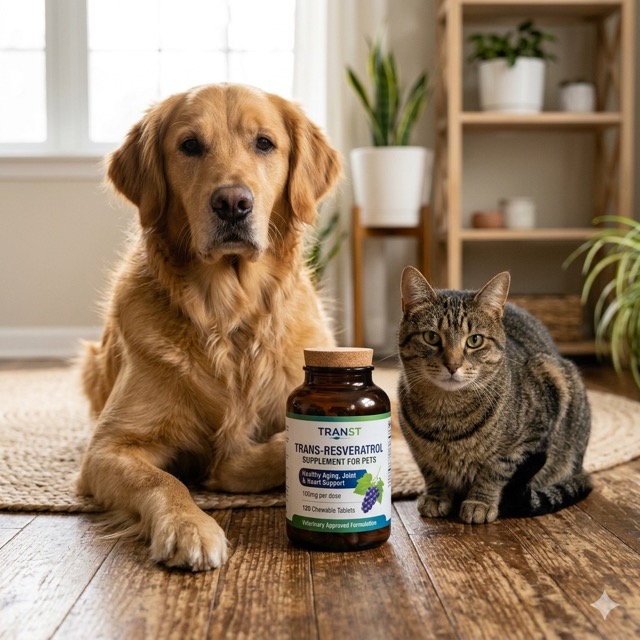
At a Glance: 2026 Resveratrol Guide for Pets
- Best known for: antioxidant, anti-inflammatory, and healthy aging support.
- Most helpful for: senior pets, joint stiffness, heart support, and oxidative stress.
- Use smart: choose trans-resveratrol and always give with food / fat.
Resveratrol is a natural polyphenol found in Japanese knotweed, berries, and peanuts. It is best known for its antioxidant and anti-inflammatory properties and is widely used in both human and veterinary wellness for healthy aging, cellular protection, and recovery support.
In pets, resveratrol is increasingly used in 2026 as a supportive supplement for joint pain, heart health, cognitive aging, metabolic health, and inflammatory conditions. While research in dogs and cats is still emerging, resveratrol shows promising benefits when used carefully.
Quick Nav:
▸ Top Benefits
▸ What Research Shows
▸ Longevity & Sirtuins
▸ Joint & Mobility Support
▸ Brain & Aging
▸ Heart & Metabolic Support
▸ Cancer & Oxidative Stress
▸ Dosage & Absorption
▸ Safety & Warnings
Top Benefits of Resveratrol for Pets
Resveratrol is often used as a broad-spectrum healthy aging supplement because it helps reduce oxidative stress and inflammation—two major drivers of disease in aging pets.
- Joint support: may help stiffness and mobility
- Healthy aging: supports cellular repair pathways
- Heart support: antioxidant support for circulation
- Brain support: may help senior cognition
- Immune support: helps modulate inflammatory pathways
- Recovery support: may help after illness or surgery
What Research Shows (2026 Update)
Anti-Inflammatory & Joint Benefits
Animal studies suggest resveratrol helps reduce inflammatory pathways such as NF-kB and COX-2, which may benefit pets with arthritis, stiffness, or chronic inflammatory pain.
Veterinary models also suggest it may help protect cartilage and reduce oxidative stress in joint tissues.
Healthy Aging & Cellular Support
Resveratrol activates pathways linked to healthy aging, including SIRT1 and AMPK, which support mitochondrial function and cellular repair. This has made it popular in 2026 longevity protocols for senior pets.
Heart & Metabolic Health
Research suggests resveratrol may support blood vessel health, circulation, and oxidative balance. It may also support insulin sensitivity and metabolic resilience in overweight pets.
2026 reality check: Most evidence in pets is still supportive and emerging. Resveratrol is best used as a wellness support supplement—not a stand-alone treatment.
Longevity, Sirtuins & “Caloric Restriction” Benefits
One reason resveratrol became so popular is its ability to help activate Sirtuins—especially SIRT1, sometimes called the “longevity gene.”
Sirtuins help:
- support mitochondrial energy
- reduce oxidative stress
- support cellular repair
- promote healthier aging
In simple terms, resveratrol may mimic some of the protective effects of healthy caloric restriction without reducing food intake.
Joint Pain, Arthritis & Mobility
Resveratrol is commonly used for:
- age-related stiffness
- mild arthritis
- inflammatory joint flare-ups
It is often combined with:
- omega-3 fatty acids
- glucosamine / MSM
- green lipped mussel
- quercetin
2026 synergy tip: Quercetin may help slow the breakdown of resveratrol in the liver, which may help keep it active longer. This combination is increasingly popular for pets with allergies, inflammation, or joint pain.
Brain, Senior Pets & Cognitive Support
As pets age, oxidative stress affects the brain and nervous system.
Resveratrol may help:
- support mental sharpness
- reduce brain inflammation
- support mitochondrial energy
- help with age-related cognitive slowing
Heart & Metabolic Support
Resveratrol may support:
- circulation
- healthy blood vessels
- oxidative stress reduction
- healthy inflammatory balance
It may also support:
- healthy weight metabolism
- blood sugar balance
Cancer & Oxidative Stress Support
Resveratrol is sometimes used in integrative veterinary oncology because it may:
- reduce oxidative stress
- support normal cell signaling
- help support quality of life
However, it should never replace veterinary cancer care.
Dosage, Label Quality & Absorption Tips
Because products vary widely, start low.
- Small dogs / cats: 5–20 mg daily
- Medium dogs: 20–50 mg daily
- Large dogs: 50–100 mg daily
What to look for on the label:
- Trans-resveratrol: the active, stable form
- third-party tested products
- Japanese knotweed source preferred
Earth Clinic Absorption Tip
- Give with food
- Pair with healthy fats (fish oil, sardine, olive oil, yogurt if tolerated)
- Start low for 5–7 days
Like ubiquinol and turmeric, resveratrol is difficult to absorb on its own. Giving it with a small fat source may improve uptake and make the dose more effective.
Safety, Side Effects & Warnings
Resveratrol is generally well tolerated, but some pets may experience:
- loose stool
- mild nausea
- sleepiness
Use caution if your pet:
- takes blood thinners
- has liver disease
- has clotting issues
- is pregnant
Important: Grapes and raisins are toxic to dogs. Resveratrol supplements are safe only when sourced as purified supplements (such as Japanese knotweed extract) and properly dosed.
Share Your Experience: Has resveratrol helped your pet’s joints, energy, or healthy aging? Tell us what worked.
