




Melatonin for Dogs: A Comprehensive 2026 Guide

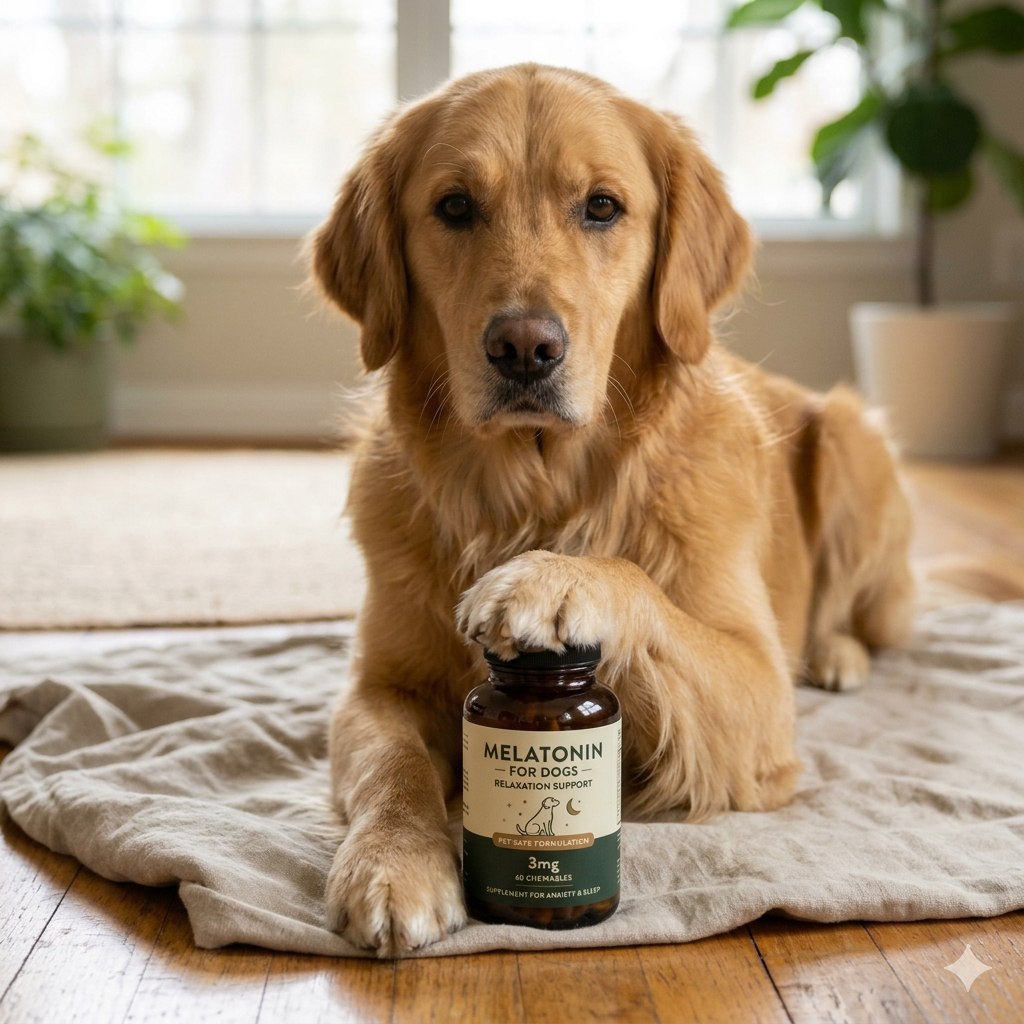
At a Glance: 2026 Melatonin Guide for Dogs
- Best known for: calming anxiety, supporting sleep, and helping certain hair loss conditions.
- Emerging use: commonly paired with lignans for atypical Cushing’s support.
- Safety first: use pet-safe products only and avoid formulas with xylitol.
Melatonin is a hormone naturally made by the pineal gland that helps regulate sleep-wake cycles, stress responses, seasonal rhythms, and hormone signaling. In dogs, melatonin is commonly used as a gentle supplement for anxiety, sleep disturbances, certain types of hair loss, age-related restlessness, and in some holistic protocols for atypical Cushing’s disease.
This 2026 Earth Clinic guide explains how melatonin may help dogs, what research shows, when it makes sense to use it, and important dosing and safety tips.
Quick Nav:
▸ Top Uses
▸ What Research Shows
▸ Sleep & Senior Dogs
▸ Quick vs Sustained Release
▸ Anxiety & Storm Phobia
▸ Hair Loss / Alopecia
▸ Atypical Cushing’s
▸ Heart Support
▸ Dosage
▸ Safety & Side Effects
Top Uses of Melatonin for Dogs
Melatonin is one of the most commonly used natural calming supplements in veterinary medicine.
- Sleep support: helps senior dogs with nighttime restlessness
- Anxiety: storms, fireworks, travel, separation stress
- Alopecia / hair loss: especially seasonal flank alopecia and Alopecia X
- Atypical Cushing’s: hormone support in some holistic protocols
- Age-related cognitive changes: supports circadian rhythm
- Recovery support: antioxidant effects may help reduce oxidative stress
What Research Shows (2026 Update)
Calming & Anxiety Support
Veterinarians commonly recommend melatonin as a mild calming aid for nervousness, noise phobia, travel stress, and sleep problems in older dogs. Clinical use and veterinary reviews support its role in helping regulate sleep and reducing situational anxiety.
Some studies have also found that melatonin may help calm dogs before anesthesia and reduce the amount of sedative medication needed in certain cases.
Heart & Oxidative Stress
A recent clinical trial in dogs with myxomatous mitral valve disease (MMVD) found that melatonin significantly lowered oxidative stress markers after four weeks of use, especially in dogs with more advanced heart disease. While it did not reverse heart damage, it showed meaningful antioxidant support.
Hair Growth / Alopecia
Melatonin is commonly used for canine alopecia, especially hair cycle arrest (Alopecia X) and seasonal flank alopecia. Veterinary studies and clinical experience suggest it may improve hair regrowth and coat quality in some dogs over time.
2026 reality check: Melatonin is best viewed as a low-risk supportive therapy with promising benefits for sleep, stress, coat health, and hormonal support—not a cure-all.
Sleep Support for Senior Dogs
Older dogs often produce less melatonin and may develop:
- Pacing at night
- Restlessness
- Waking frequently
- Day/night reversal
Melatonin may help support a more normal sleep rhythm, especially when paired with:
- consistent light/dark schedule
- daytime activity
- reduced evening stimulation
2026 bio-hack: Because melatonin is the “hormone of darkness,” keep your dog’s sleep area as dark as possible. Bright TVs, blue light, or night lights may blunt both natural and supplemental melatonin effects.
Quick-Release vs Sustained-Release
Dogs metabolize melatonin faster than people, so the form matters.
- Quick-release: often best for fireworks, storms, travel, or short-term calming
- Sustained-release: may work better for senior dogs who wake up too early or pace at night
If your dog falls asleep but wakes at 2–4 AM, ask your veterinarian whether a sustained-release formula makes more sense.
Anxiety, Fireworks & Travel
Melatonin is widely used for:
- fireworks / storms
- vet visits
- car travel
- separation-related anxiety
It is often given 30–90 minutes before a stressful event.
Earth Clinic tip: For storm phobia, combine melatonin with a quiet safe room, white noise, and pressure wraps for better results.
Hair Loss, Skin & Coat Support
Melatonin may help:
- seasonal flank alopecia
- Alopecia X
- stress-related shedding
Seasonal flank alopecia often appears in winter when daylight is shortest. Some owners report better results when melatonin is started in late autumn before hair loss begins.
Typical results:
- 2–4 weeks: less shedding
- 6–12 weeks: early regrowth
Melatonin & Atypical Cushing’s Support
In holistic veterinary medicine, melatonin is commonly used alongside lignans for dogs with atypical Cushing’s disease—especially when cortisol-related symptoms are present but standard tests are inconclusive.
Melatonin may help influence enzymes involved in adrenal hormone production, including:
- aromatase
- 21-hydroxylase
This may help support healthier cortisol balance in some dogs.
2026 Earth Clinic Protocol Note
- Melatonin: hormone rhythm support
- SDG / HMR lignans: often used to support adrenal balance
- Goal: reduce excessive cortisol-related symptoms naturally
Always work with a veterinarian, since Cushing’s symptoms can overlap with diabetes, thyroid disease, and liver issues.
Heart & Recovery Support
Melatonin is also a strong antioxidant that may help:
- reduce oxidative stress
- support heart tissue
- support recovery after illness or surgery
Its short-term antioxidant effects appear especially promising in dogs with cardiac stress or aging-related inflammation.
Typical Dosage Guidelines
Melatonin dosing depends on weight, condition, and formulation.
- Small dogs: 1–3 mg
- Medium dogs: 3–6 mg
- Large dogs: 6–9 mg
General timing:
- Sleep: 30–60 minutes before bedtime
- Anxiety: 30–90 minutes before trigger
- Hair loss / Cushing’s: daily per veterinary guidance
Always start low and discuss long-term use with your veterinarian.
Safety, Side Effects & Important Warnings
Melatonin is generally considered low-risk in dogs when used appropriately, but side effects can occur:
- sleepiness / grogginess
- mild stomach upset
- changes in fertility hormones
- rare itchiness or agitation
Use caution if your dog has:
- diabetes
- seizure disorders
- liver disease
- autoimmune disease
- is pregnant / breeding
Critical: Never give dogs human melatonin gummies or flavored chewables that contain xylitol, chocolate, or added herbs. Xylitol is highly toxic to dogs.
Share Your Experience: Has melatonin helped your dog sleep better, stay calmer, regrow hair, or support adrenal balance? Tell us what worked.
