
Alzheimer's - Art's PHL
Natural Remedies

Alzheimer's Disease and the Positive Health Loop (PHL)

on Aug 03, 2026| Modified on Aug 04, 2026
Add New Post Comments
Positive Health Loop (PHL) for Alzheimer's

Alzheimer's Disease (AD) And A Potential Remedy

This year I wrote on EC about a friend who had dementia which was resolved with a combination of supplements and I would like to discuss why I chose the regimen that he used regularly until more recently, when he told me he had stopped some of the supplements because he felt he no longer had any memory/cognitive problems at all after 8 months of regular use of the regimen. People around him started to notice improvement around 6 months.

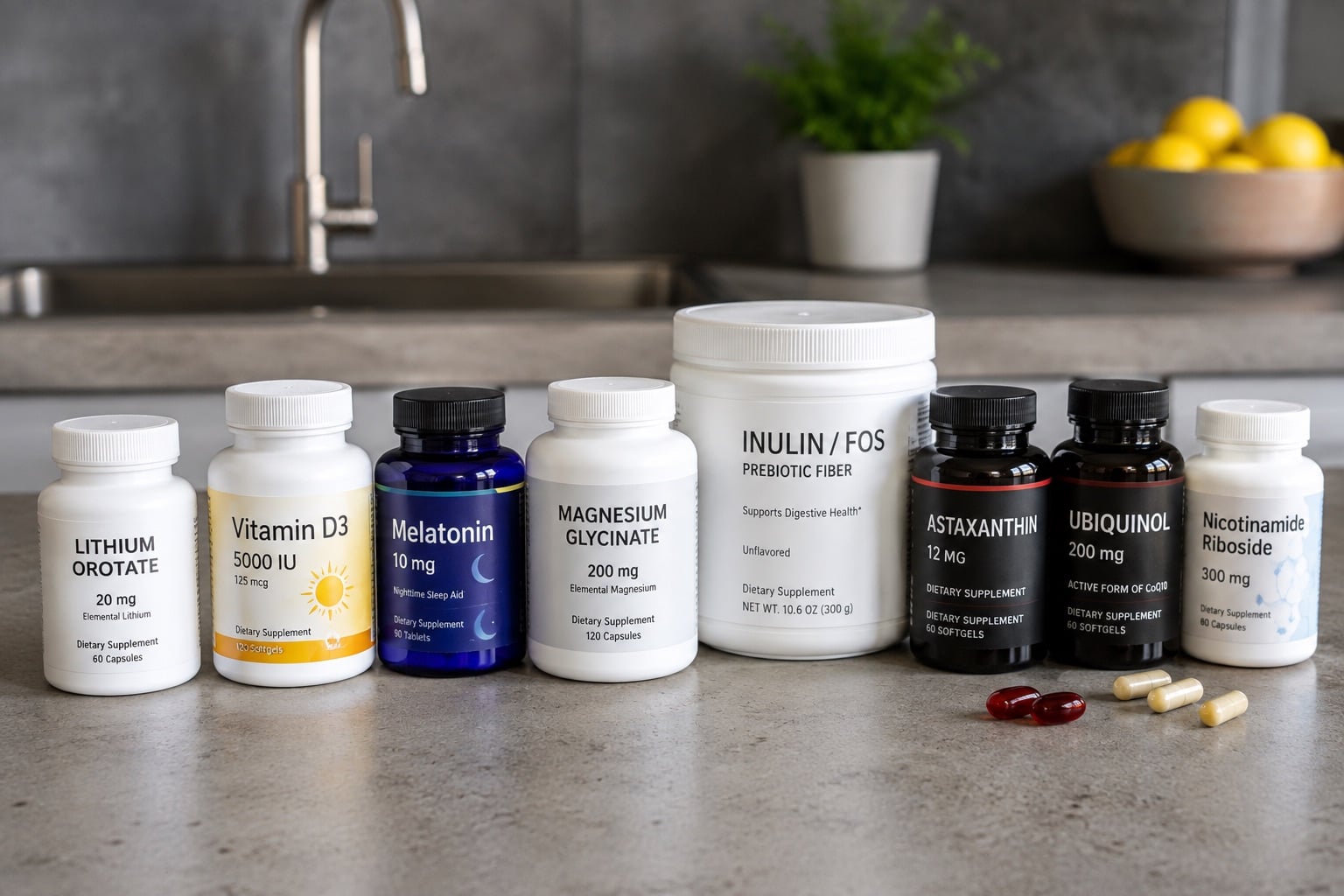
The regimen consists of these 9 components:

1. Lithium Orotate - 20 mg/day of elemental lithium as Lithium Orotate in two divided doses of 10 mg with breakfast and 10 mg with dinner.

2. Vitamin D - 5000 to 10,000 IU per day to get a 25 OH D level of 45 to 65 ng/ml.

3. Melatonin - At 10 - 50 mg per night based on human studies.

4. Magnesium Glycinate - At the RDA for elemental magnesium.

5. Inulin / FOS - Starting at 2.5 grams per day and working up slowly to 10 grams per day. This allows the gastrointestinal system to adjust gradually as taking too much inulin / FOS too soon can cause significant gas and discomfort.

6. Astaxanthin - Taken at 24 mg/day in two divided doses of 12 mg at breakfast and 12 mg at dinner.

7. Ubiquinol - This is the active form of CoQ10 and can be taken at a dose of 200 mg day up to 600 mg day based on human studies.

8. Nicotinamide Riboside (NR) - Taken at 300 to 600 mg/day in two divided doses of 150 mg to 300 mg at breakfast and 100 to 300 mg at lunch. He did not take the NR any later than lunch as it can interfere with sleep if taken later in the day.

9. Exercise - Daily to every other day.

I call this regimen, the Positive Health Loop (PHL). Now I will explain why the PHL probably worked for my friend's dementia.

Alzheimer's disease develops when many of the body's natural protective systems gradually weaken with age. These changes include declining cellular energy, increasing inflammation, excessive oxidative stress, reduced brain repair, impaired waste removal, and loss of healthy gut-brain communication.

The Positive Health Loop (PHL) is designed to strengthen many of these same protective systems at the same time. Through exercise, melatonin, vitamin D, magnesium, gut-supporting fiber (inulin / FOS), astaxanthin, ubiquinol, NMN (or NR), and low-dose lithium (20 mg elemental lithium as lithium orotate), the PHL aims to support healthier mitochondria, improve cellular energy production, reduce inflammation and oxidative damage, enhance the brain's natural repair and cleanup processes, support healthy synapses, and promote beneficial gut-brain signaling. Rather than targeting a single aspect of Alzheimer's disease, the PHL seeks to improve many of the underlying biological processes that become impaired during aging, making it a broad systems-based approach to supporting long-term brain health.

One reason this approach is attractive is that Alzheimer's disease does not appear to result from a single cause. Instead, researchers now view it as a disorder involving many interconnected problems that gradually reinforce one another over time. As these problems accumulate, the brain becomes less able to repair itself, nerve cells lose function, and memory and thinking progressively decline. Addressing several of these processes simultaneously may therefore offer greater potential than focusing on only one.

The components of the PHL were selected because each has evidence of supporting one or more of these protective systems, and many of them also work together. For example, regular exercise stimulates the brain's natural repair mechanisms, melatonin and astaxanthin help defend against oxidative damage, vitamin D and magnesium support normal cellular function, prebiotic fiber promotes beneficial gut bacteria that communicate with the brain, ubiquinol and NMN help maintain cellular energy production, and low-dose lithium has shown encouraging evidence in laboratory and human studies for supporting neuronal resilience and slowing some of the biological changes associated with Alzheimer's disease. Together, these complementary actions may produce benefits that are greater than any single component alone.

An important feature of the PHL is that it works by supporting the body's normal protective and repair systems rather than forcing major biological changes. The goal is to gently reinforce processes that naturally help keep brain cells healthy throughout life, allowing them to function more effectively despite the stresses of aging. By encouraging many small improvements across multiple biological systems, the combined effect may be greater than the sum of its individual components. This systems-based approach reflects the growing understanding that maintaining overall brain resilience may be one of the most effective ways to slow the progression of complex age-related diseases such as Alzheimer's disease.

While no combination of supplements or lifestyle measures has been proven to prevent or cure Alzheimer's disease, the PHL is intended to support the body's own resilience by strengthening systems that commonly decline with age. Because it focuses on improving overall cellular health rather than treating a single target, the PHL has the potential to complement conventional medical care while also supporting healthy aging more broadly. As research continues, this type of multi-target strategy is receiving increasing attention as a promising direction for reducing the impact of age-related neurodegenerative diseases.

Given the specific systems of the body that the PHL seems to target, it may also be well suited to Parkinson's disease. It is important to remember that the PHL works slowly and gradually as it attempts to reinforce body systems that have declined over decades. In the instance of my friend, it took 6 to 8 months for the benefits to start to show.

The PHL seems well suited to multiple age-related health issues. I have been on this regimen minus the lithium orotate, because lithium is noted for exacerbating psoriasis, for just over 5 months now and I can see 8 specific, significant and beneficial effects as a result of using the PHL regularly for just over 5 months and I am admittedly surprised by these positive results, but I will write about those very soon in my next post about the PHL.

Art


Question for Art Solbrig about his PHL protocol? Please ask him here.


The comments below reflect the personal experiences and opinions of readers and do not represent medical advice or the views of this website. The information shared has not been evaluated by the FDA and is not intended to diagnose, treat, or prevent any disease or health condition. Always consult a qualified healthcare professional for medical concerns.

PHL Feedback


Posted by Earth Clinic on 08/03/2026
★★★★★

Don't miss Art's latest article on the PHL for Alzheimer's!

https://www.earthclinic.com/cures/alzheimers-positive-health-loop-phl.html

Replied by ariley
(USA)
08/03/2026

Dear Art,

Great Post!

https://neurolaunch.com/estrogen-effects-on-male-brain/

Men produce estrogen continuously through an enzyme called aromatase, which converts testosterone into estradiol right inside brain tissue. That locally produced estrogen shapes memory formation, protects neurons from degeneration, regulates mood, and keeps cognitive function intact across a man's entire lifespan.

----

The more fat a male, especially belly fat, more estrogen is produced leading to lower testosterone levels.

Long-term health risks associated with estrogen dominance in older men include infertility, erectile dysfunction, gynecomastia, and an increased risk of conditions such as dementia, depression, cancer, diabetes, and blood clots.

--------

Oestrogen levels and dementia risk in senior women

Oestrogen plays a role in memory-related brain areas, and its levels drop significantly after menopause, which may increase dementia risk. Some studies suggest hormone replacement therapy timing around menopause could influence this risk.

Benefits of Bio-Identical hormones are beneficial in memory and mood.

Wanted to show the importance of Estrogen and Testosterone in men and women. A what is considered a Female Herb can aide men in Estrogen dominance. It lowers prolactin levels to balance hormones.

Art
(California)
08/03/2026
2933 posts
★★★★★

Thank you very much for saying so, ariley!

I'm glad you brought estrogen and testosterone up. If you check with AI, I think you will find that the PHL will tend to have a normalizing effect on estrogen and testosterone levels. Here is a little AI snippet on that topic :

Based on what we know about the biology of the components of the PHL, it is plausible that the PHL could help maintain or normalize sex hormone signaling in aging, but it is unlikely to substantially increase estrogen or testosterone levels directly. In the context of Alzheimer's disease (AD), that distinction is important because preserving hormone function and receptor responsiveness may matter as much as increasing hormone concentrations.

Art

Replied by ariley
(USA)
08/03/2026

Dear Art,

I wanted to expand on to your gut health.

Importance of Gut health!

Probiotics can improve spatial memory, reduce hippocampal plaques, and restore synaptic plasticity in AD models. Gut microbiota functions as a dynamic endocrine system that produces bioactive metabolites, such as GABA, serotonin, and dopamine, essential for regulating mood and supporting cognitive function.

One study showed in autopsy of individuals with Alzheimer's that Lactobacillus was low and Bifidobacterium high.

Short-chain fatty acids (SCFAs) like butyrate and propionate, produced in the gut, can reduce brain inflammation by strengthening the blood-brain barrier and inhibiting inflammatory pathways in brain immune cells. They also enhance the production of regulatory immune cells that help control neuroinflammation.

Alterations in gut microbiota can lead to increased production of cytokines, which may contribute to neuroinflammation and conditions like Alzheimer's and Parkinson's diseases.

https://pmc.ncbi.nlm.nih.gov/articles/PMC12999160/

https://www.nature.com/articles/s44400-025-00048-6

Lactobacillus Eats Amyloid Plaque

https://www.mdpi.com/2076-3921/13/10/1225

This is a reason I promote using a Leaky Gut Protocol even if you don't have Leaky Gut. You kill off parasites, bacteria, candida etc. Heal the gut and reestablish good bacteria. This aids in many health issues.

Art
(California)
08/04/2026
2933 posts

Hi again, ariley,

Another important aspect of the PHL is that every component either directly or indirectly has a positive impact on the gut microbiome. I didn't go into the details of this in my original post as I was trying to keep it simple and to the point, but here is a comprehensive breakdown of how each component contributes toward a healthy gut microbiome and reinforces each other toward this end.

Exercise Increases microbial diversity; increases butyrate-producing bacteria; improves gut motility; reduces intestinal inflammation; increases SCFA production.
Melatonin Protects the intestinal lining; reduces gut inflammation; strengthens tight junctions (reduces "leaky gut"); regulates circadian rhythms of gut microbes; reduces oxidative stress within the intestine.
Vitamin D Activates VDR in intestinal cells; promotes antimicrobial peptides; improves barrier integrity; increases microbial diversity; helps suppress pathogenic bacteria.
Magnesium Supports normal bowel function; influences bacterial metabolism; reduces intestinal inflammation; helps maintain mucosal integrity; assists vitamin D activation.
Inulin/FOS Directly feeds beneficial bacteria (especially Bifidobacterium); increases butyrate, acetate, and propionate; increases microbial diversity; lowers colonic pH, discouraging pathogens.
Astaxanthin Reduces intestinal oxidative stress; decreases inflammatory signaling; increases beneficial species in animal and some human studies; helps preserve gut barrier integrity.
Ubiquinol Supports mitochondrial energy production in intestinal epithelial cells; reduces oxidative stress; may improve barrier repair; indirectly favors a healthier microbial environment.
NR/NMN Raises NAD⁺ in intestinal cells; improves epithelial repair; supports mitochondrial function; may reduce inflammatory signaling that disrupts microbial balance.
Lithium orotate May reduce intestinal inflammation through inhibition of GSK-3β; may improve epithelial survival and regeneration; emerging evidence suggests it can influence microbial composition through immune and inflammatory pathways. Human data remain limited.

Together they create several reinforcing loops

Rather than nine independent interventions, they work together. This is why I named it the Positive Health Loop or PHL. These positive health loops can work against the negative health loops that develop with aging and certain disease states.

1. Healthier intestinal barrier

Several components strengthen the intestinal wall:

  • melatonin
  • vitamin D
  • magnesium
  • NR/NMN
  • ubiquinol
  • astaxanthin
  • lithium

A stronger barrier:

  • keeps bacteria where they belong
  • reduces endotoxin (LPS) leakage seen in leaky gut
  • decreases systemic inflammation
  • creates a more stable habitat for beneficial microbes

2. Increased SCFA production

Exercise and inulin/FOS work especially well together.

Exercise encourages growth of butyrate-producing bacteria while inulin supplies them with fermentable fiber.

The result is increased production of:

  • butyrate
  • acetate
  • propionate

These SCFAs then:

  • nourish colon cells
  • reduce inflammation
  • strengthen tight junctions
  • support regulatory T cells
  • promote microbial diversity

3. Reduced oxidative stress

High oxidative stress tends to favor less desirable microbes.

PHL lowers oxidative stress through:

  • melatonin
  • astaxanthin
  • ubiquinol
  • NR/NMN
  • exercise
  • vitamin D

A lower-oxidative environment generally favors a more balanced microbiome.


4. Reduced intestinal inflammation

Almost every component lowers inflammatory signaling through different pathways.

Examples include reducing:

  • NF-κB activation
  • inflammasome activity
  • inflammatory cytokines
  • reactive oxygen species

A less inflamed intestine is generally associated with greater microbial diversity and more stable beneficial communities.


5. Improved mitochondrial function

The gut lining is one of the body's highest-energy tissues.

Energy support comes from:

  • ubiquinol
  • NR/NMN
  • melatonin
  • magnesium
  • exercise
  • butyrate (from inulin)

Healthier intestinal cells create a healthier environment for the microbiome.


6. Better circadian regulation

Gut bacteria have daily rhythms.

Melatonin:

  • synchronizes intestinal clocks
  • improves nighttime gut repair
  • influences microbial rhythmicity

Exercise also reinforces circadian biology, helping maintain healthy microbial oscillations.


7. Improved immune regulation

The intestine contains roughly 70% of the body's immune tissue.

PHL components help normalize immune function:

  • vitamin D
  • melatonin
  • SCFAs
  • exercise
  • lithium (through GSK-3β inhibition and downstream immune effects)
  • astaxanthin

This reduces excessive immune attacks on beneficial bacteria while preserving defenses against pathogens.


8. Greater microbial diversity

Several components have been associated with increased diversity, including:

  • exercise
  • vitamin D
  • inulin/FOS
  • astaxanthin

Higher diversity is generally associated with greater resilience of the gut ecosystem.

A systems view

One way to think about the PHL is as supporting the gut ecosystem from multiple angles simultaneously:

Exercise ↓ Better diversity ↓ Inulin → More SCFAs ↓ Healthier colon cells ↓ Less inflammation ↓ Better barrier integrity ↓ Healthier microbiome ↓ Lower systemic inflammation ↓ Healthier brain ↓ Better autonomic regulation ↓ Better gut function

Melatonin, vitamin D, magnesium, ubiquinol, NR/NMN, astaxanthin, and lithium reinforce this cycle by improving mitochondrial function, reducing oxidative stress, supporting epithelial repair, and modulating immune responses.

Relative importance

If I were to rank the components by their direct influence on the gut microbiome itself (as opposed to their indirect systemic effects), I would estimate:

  1. Inulin/FOS (SCFA support) — Direct prebiotic effect; the strongest driver of beneficial microbial fermentation.
  2. Exercise — Robust evidence for improving diversity and butyrate-producing bacteria.
  3. Melatonin — Strong support for barrier protection, circadian regulation, and anti-inflammatory effects in the gut.
  4. Vitamin D — Important regulator of intestinal immunity and barrier function via the vitamin D receptor.
  5. Magnesium — Supports bowel function, epithelial health, and indirectly shapes the microbial environment.
  6. Astaxanthin — Promising evidence for reducing intestinal oxidative stress and supporting beneficial microbial shifts.
  7. NR/NMN — Likely beneficial through improved epithelial energy metabolism and repair; direct microbiome data are still emerging.
  8. Ubiquinol — Primarily benefits the host's intestinal cells rather than directly altering microbes, but this may indirectly support a healthier ecosystem.
  9. Lithium orotate — Plausible indirect benefits through reduced inflammation and GSK-3β inhibition, but current evidence for direct microbiome effects is the least developed of the group.

Overall, the PHL's effect on the gut microbiome is unlikely to arise from any single component. Its strength is that it simultaneously provides prebiotic fuel, strengthens the intestinal barrier, enhances mitochondrial function, lowers oxidative stress and inflammation, regulates immune and circadian function, and supports epithelial repair. These mechanisms reinforce one another, making the whole regimen potentially more effective than the sum of its individual parts. For Alzheimer's disease specifically, adding low-dose lithium may further complement these effects by promoting a less inflammatory intestinal environment, although that aspect remains an area of active research rather than an established clinical benefit.

Art

Replied by ariley
(USA)
08/04/2026

Dear Art,

Alzheimer's is a personnel issue for me. My father is sitting in an Alzheimer's Ward in a Nursing Home. He is 94 and every time I visit him he wants to die because he does not have his freedom. He is lost, confuse, afraid amoung many other issues. He did not want to help himself before and nothing can help him now, because of his living situation I am thankful for your post and giving me a better understanding of PHL. I just want to make sure people have more information than they need because if you have been around a person with Alzheimer's, they are not the same person as before.

Thanks again for all you do!

Art
(California)
08/04/2026
2933 posts

I understand what you are saying, ariley and I feel bad for you and your father's situation. I don't know how advanced his AD is, but I still believe there is a point of no return in AD. From my point of view, if it were my loved one, and I am only speaking for myself here, I feel like, if there was a practical way to make sure a loved one could take the full PHL daily, I would want to make that option available to them, because we all know what the outcome is when you use the standard of care for AD. I know that sounds harsh, but having seen what patients, families, friends and caregivers have to go through with just using the standard of care when it comes to AD, I would not want anyone to have to go through that if there might be another potential option. It may not work for everyone, but under the circumstances, for me personally, I would want to try, but I also understand that everyone does not feel the same as I do.

Art


Advertisement