Table of Contents
| QUESTIONS & ANSWERS |
| ALLERGIES, RASH, INTESTINAL SPASMS, CONSTIPATION |
| DIARRHEA AND GAS |
| PSYLLIUM FEEDBACK |
| WARNINGS |
| WEIGHT LOSS |
Psyllium Cures
About Psyllium:
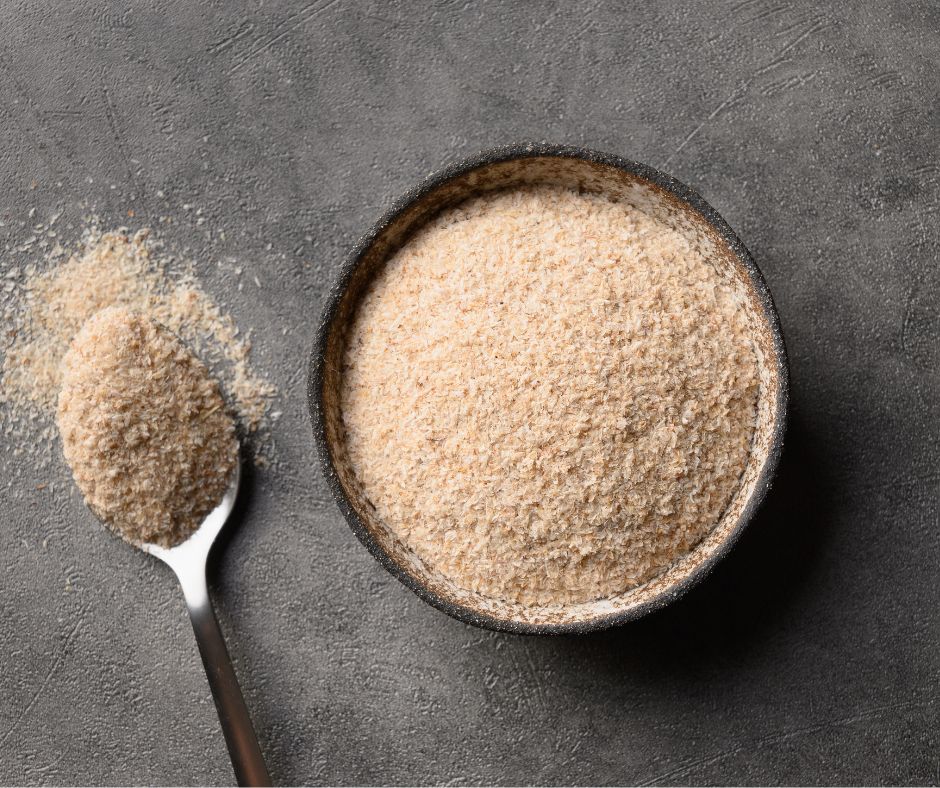
Psyllium husk comes from the crushed seeds of the Plantago ovata plant, an herb native to parts of Asia, Mediterranean regions of Europe, and North Africa. In addition to its traditional use for constipation, psyllium has also been used topically by herbalists to treat skin irritations, including poison ivy reactions and insect bites and stings. It has also been used in Chinese and Indian traditional herbal systems to treat bladder problems, diarrhea, hemorrhoids, and high blood pressure.
Similar to oats and wheat, psyllium is rich in soluble fiber. Traditionally, psyllium husk is used as a gentle bulk-forming laxative for constipation. Its ingredients include alkaloids, amino acids, oils, protein, tannins, flavonoids, and a variety of sugars and carbohydrates. It is used as a stabilizing and thickening agent in many salad dressings, soups, lotions, and creams. Psyllium seeds are oval-shaped, odorless, practically tasteless, and are coated with mucilage. Most commercial preparations consist of blonde psyllium. Another type of psyllium, called black psyllium, may also be used as a bulk laxative and carries the same risks as blonde psyllium, but is not typically found in commercial psyllium preparations.
Used as a dietary fiber, psyllium makes stools softer, which helps relieve constipation, irritable bowel syndrome, hemorrhoids and other intestinal disorders. When psyllium husk comes in contact with water, it swells and forms a gelatinous mass that stimulates the transport of waste through the intestinal tract. It is considered a good intestinal cleanser in that it speeds waste matter through the digestive system, shortening the amount of time toxic substances stay in the body and thereby reducing the risk of colon cancer and other diseases.
Psyllium encourages the growth of healthful, "friendly" intestinal bacteria such as Lactobacillus acidophilous and bifidobacteria which are helpful in regulating bowel movements.
Psyllium Uses:
Weight Loss
Studies and clinical reports suggest that psyllium may enhance the sensation of fullness and reduce hunger cravings. For these reasons, incorporating psyllium and other sources of fiber into the diet may aid weight loss.
Detoxification of the Colon:
The bulking effect of psyllium also works to rid the colon of toxic substances, including heavy metals, as it acts almost as a sponge to soak them off the walls of the intestine. This spongy action has a dual advantage as it can decrease hunger when taken with meals.
Constipation
Studies have concluded that psyllium relieves constipation as it is believed to speed the passage of stool through the digestive tract by softening the stool and attracting water thereby producing more bulk (which stimulates the transit of waste through the gastrointestinal tract).
Diarrhea
Psyllium can be used as a bulk-forming agent to relieve mild to moderate diarrhea. Psyllium soaks up a significant amount of water in the digestive tract, thereby making stool firmer and, under these circumstances, slower to pass. In other words, Psyllium acts to slow down a too rapid transit time. It appears to stabilize bowel movements and is often used in cases of alternating constipation and diarrhea.
Click here to find more folk remedies to cure diarrhea.
Irritable Bowel Syndrome (IBS)
Several studies have found that soluble fiber (including psyllium) helps regulate stool frequency and consistency in people with IBS. Psyllium also has the additional advantages over other sources of fiber of reducing flatulence and bloating.
Hemorrhoids
Psyllium may be recommended by a physician to help soften stool and reduce the pain associated with hemorrhoids.
Inflammatory Bowel Disease (IBD)
In a study of people with ulcerative colitis (a type of inflammatory bowel disorder), psyllium seeds were as effective as the prescription drug mesalamine in decreasing recurrences of the disease. In addition, psyllium has been prescribed as a bulking agent for mild to moderate cases of diarrhea from either ulcerative colitis or Crohn's disease.
Diabetes
Studies suggest that a high-fiber diet, which may include psyllium, can lower insulin and blood sugar levels and improve cholesterol and triglyceride levels in people with diabetes. This type of diet may also help prevent diabetes in those at risk for the condition.
Click here to find more folk remedies to help with diabetes.
Psyllium Husk for High Cholesterol
Studies have shown that psyllium husk is effective in lowering total cholesterol and LDL (the Bad cholesterol) levels. Studies also found that a 1% reduction in total and LDL cholesterol can reduce the risk of heart disease by up to 2%.
WARNINGS:
In general, prescription drugs should be taken 1 hour before or 2-4 hours after psyllium, because the absorption and effectiveness of many drugs may be reduced.
Psyllium should always be taken with (at least) a full 8 oz glass of water. It is also important to drink at least 6 to 8 full glasses of water throughout the day or constipation may develop. Taking psyllium supplements without adequate liquids may cause it to swell, and, in extreme causes, cause choking. Do not take this product if you have difficulty swallowing. People with esophageal stricture (narrowing of the esophagus) or any other narrowing or obstruction of the gastrointestinal tract should not take psyllium.
*** Do not give psyllium to a child. ***
Dosage:
Add 1/2 to 2 tsp of psyllium seed to 1 cup (8 oz) of warm water. Mix well, and then drink immediately before it becomes too thick to swallow comfortably. (Psyllium thickens rapidly when water is added to it.) If using a commercial product that contains psyllium, follow package directions.
For those not accustomed to taking psyllium, it is best to begin with a low dose (such as 1/2 tsp in an 8 oz glass of water once a day), then increase to 2 tsp in two 8 oz glasses of water per day, as needed.
Higher doses of psyllium may be recommended by a health care provider to treat certain conditions. In the case of irritable bowel syndrome, for example, an initial dose of 1/2 to 1 tsp of psyllium per day is gradually increased to 4 doses per day.
Psyllium can be taken first thing in the morning or before bedtime. As a weight-loss aid, take at least 30 minutes before meals.
DISCLAIMER
Our readers offer information and opinions on Earth Clinic, not as a substitute for professional medical prevention, diagnosis, or treatment. Please consult with your physician, pharmacist, or health care provider before taking any home remedies or supplements or following any treatment suggested by anyone on this site. Only your health care provider, personal physician, or pharmacist can provide you with advice on what is safe and effective for your unique needs or diagnose your particular medical history.
ALLERGIES, RASH, INTESTINAL SPASMS, CONSTIPATION
[YEA] 05/21/2009: Wanda from Ubud, Bali, Indonesia writes: "I didn't notice enough written about allergies. My mother had a bad rash around her ankles and we made an appointment with the allergy doctor. He walked into the room and said, "Take psyllium husk!" It worked like magic. The rash was gone in days. She was always prone to food allergies but this easy solution was a big surprise and took care of her constipation problems as well.
I use 1 Tbl a day of it now for large intestine spasms and it has helped. These comments have been helpful because I see other ways it has helped me as well. I don't know if I'm addicted to it but sure don't want to be without it! Those spasms are pretty disabling as long as they last. If I combined it with ANYthing else, I'd blame the other thing before the psyllium husk, let alone any kind of CLAY! There is nothing natural about putting that into our bodies! And I've learned the importance of enough water as well!"
![]() | ![]() | ![]() | ![]() |
1 YEA
[YEA] 09/21/2007: Kris from Omaha, Nebraska writes: "I suffered from chronic diarrhea and painful gas for two months after taking a 10-week course of Prevacid (a ppi). Stopping the medication didn't help and eating a simpler diet didn't help. I started taking a teaspoon of psyllium husk in a glass of water every day. Within 48 hours the diarrhea and most of the gas were gone. I plan to continue with the psyllium for a while. Thank goodness for small miracles!"
![]() | ![]() | ![]() | ![]() |
14 YEA
3 WARNINGS!
[YEA] 03/08/2009: Benjamin from Pensacola, FL writes: "Got rid of my typical truck driver waistline by using psyllium husks, hot water and molasses."
![]() | ![]() | ![]() | ![]() |
[YEA] 10/13/2008: Naomi from Auckland, New Zealand writes: "Psyllium husk (remedy) Irritable Bowel Syndrome (ailment)
After years of laxative abuse associated with an eating disorder, I ended up with sever IBS and an intolerance to a wide range of foods, including many fruits. I started taking psyllium husks recently after reading about it in a health magazine, and I have been amazed by the difference. I can eat most foods without the bloating, flatulence and chronic stomach pain that I have had to live with for years!
Although, I have found that when I have not taken the psyllium for several days, the symptoms have returned again. But to be able to live without pain, a tablespoon of psyllium on my breakfast in the mornings seems a small ask!"
![]() | ![]() | ![]() | ![]() |
[YEA] 03/05/2008: Sharon from Ann Arbor, MI writes: "Due to multiple food and gluten allergies, I've had a history of both constipation, and more recently chronic diarrhea. Psyllium capsules taken at night with a full glass of water, or between meals with a full glass of water has been a lifesaver. I find starting with 2 capsules a day of psyllium husk, then working up gradually by adding 1 or 2 capsules a day to a total of about 10 taken in divided doses of 2 or 3 at a time between meals with lots of water gives no symptoms of gas, bloating, or bad breath. After a week or two of this I usually back off to a small maintenaince dose of 3 capsules, which is about 2 grams of total additional fiber a day.
Unexpected side effects for me included the complete relief of menopausal type hormone flucuations and hot flashes because of the fact that the fiber binds to excess hormones like estrogen and escorts them safely out of the system before they can have side effects. For this reason I would recommend it to anyone who was suffering from hormone related cancers including prostate. It may also help in chemo therapy to bind to the toxins of the drugs that are used and to help remove dead cancer cells from the body. Also pysllium can be a lifesaver when a bout of food poisoning or flu occurs because it binds with the toxins that are the byproduct of the offending bad virus or bacterias. For ANY use of pysllium husks , make sure that after your body becomes healthy and regular, see if you can't wean down on the number of capsules you take by substituting high amounts of quality fruit and vegtables into your diet, then let your body have a complete pysllium break and see how you do. You may have fixed the problem. For some of us who are allergic to many grains we just can't get enough fiber into our normal diet and need to add a little extra. Another help has been to add additional enzymes like bromelain and papaya, to the diet to help properly break down foods and repair intestinal damage. It is important to note that pysllium is NOT a laxative and that your body does not develope a dependency on it, but it DOES bind to vitamins, minerals, and medicines so for that reason is best taken on an empty stomach at leaast 2 hours after food or medicine is ingested, and at least an hour before you eat again.
VERY IMPORTANT: Drink at least one extra 8 oz. glass of water for every 2 capsules taken!"
![]() | ![]() | ![]() | ![]() |
[WARNING!] 02/21/2008: Mable from Long Beach, CA writes: "Please check into the long term effects of using psyllium on a regular basis. It's addictive in that the more you use it, the more you'll be dependant on it. Psyllium causes the colon muscles to relax and actually does the work for them - they begin to weaken & possibly atrophe (as do all muscles that aren't used). It's possible/probably that if you take psyllium long enough, you'll end up taking it the rest of your life."
![]() | ![]() | ![]() | ![]() |
[YEA] 01/08/2008: Jake from Chicago, IL writes: "whipple operation for duodenal cancer, psyllium, and flax seed meal. After my cancer operation in 1991 I suffered terrible flatulence - gas in both directions. It was a difficult time for several years - my doctors prescribed pancreatic enzymes that were useless. Eventually I realized because of the removal of my duodenum, digestion of oils and fats especially was impeded. I was better avoiding all oils and fats, but that was not a long term solution. My triglycerides were elevated and I was slowly depleting my essential oils and drying out based on my skin condition. Adding back essential oils (flax mixture) brought my tryglicerides back to normal in the first week but my original gaseous problems were still there. Eventually, after 10 years or so, I discovered psyllium seed that cured the condition entirely when I added it mixed in water before major meals - or before oily or in some cases even when I indulged in pig-out foods. My movements still were not perfect and recently, only the last 5 months or so I discovered flax seed meal or powder is even better - not quite as course in elimination and adding substantially more vitamins and nutrients as I understand it. Either of course would be a life saver for anyone else out there who's an outcast because of runaway flatulence."
![]() | ![]() | ![]() | ![]() |
[YEA] 01/07/2008: Victor from Manila, Philippines writes: "After 25 yrs of religiously following an exercise/diet regimen (30min brisk walk 4x/wk, fruits ONLY dinners) my cholesterol/sugar/weight breached normal levels. Psyllium corrected all these. Have been taking 5grams of it everyday since 2004 and have since become a "psyllium-phile". Following are my 2cents:
The 8 glasses of water/day rule is passe. The heavier you are, the more water you need. Follow instead: weight (in kilos)/24= liters of water/day. On days you perspire a lot (ie exercise day), use 20 as your divisor. I don't recommend psyllium for people who don't drink enough water.
W/ regards to dependency, we need 25-30 grams of fiber/day. I've yet to see any cereal more fibrous than psyllium. I stopped eating oatmeal, so I lowered my uric acid too.
You can avoid bloating by taking psyllium FIRST thing in the morning AT LEAST 30 MIN before your first meal. I also find eating fruits IMMEDIATELY AFTER psyllium bloats you."
![]() | ![]() | ![]() | ![]() |
[YEA] 11/14/2007: Max from Coolum Beach , Queensland writes: "I recommend psyllium husk I take 5 teaspoons a day with plenty of water for preventing Diviticulitus, it works. Just get the powder from the supermarket."
![]() | ![]() | ![]() | ![]() |
[YEA] 11/08/2007: Jong from Manila, Philippines writes: "About Halitosis caused by psyllium husk--It is not true that psyllium causes halitosis. In fact, it should have the reverse effect. If you notice, even your stool will start to become almost odor free when you take psyllium regularly. What likely could have happened is that the sufferer could have ingested a contaminted psyllium. These can be contaminated more often with yeasts and molds if left in a container or place where moisture can penetrate. These could also probably the source of the candida in the stomach. So, be careful when buying psyllium which are stored in open container or shelves. Best to buy those tightly packed."
![]() | ![]() | ![]() | ![]() |
[YEA] 10/19/2007: John from Cebu City, Philippines writes: "its my second day taking Cilium capsules (psyllium) and immediately i feel the bloated sensation in my stomach, i feel very thirsty a lot and i have this weird sensation in my tongue. after reading some testimonies in this site i am especially concerned of what this lady said about her boyfriend having halitosis, i certainly wouldn't want that. how many others are out there having halitosis after or while taking pysllium. also the instruction on the cilium box says i should take 10 capsules a day..is that safe?"
![]() | ![]() | ![]() | ![]() |
[YEA] 08/23/2007: Phil from Brisbane, Australia writes: "The cost of psyllium husk consumed for any purpose is offset in part by savings on toilet paper."
![]() | ![]() | ![]() | ![]() |
[YEA] 07/03/2007: Keith from Vancouver, BC, Canada writes: "I have used physillium for quite a few years. I take it with apple juice, and benonite clay (to remove toxins, as a milkshake). I make sure to put senna into it as a laxative to prevent constipation. I use 1/2 tsp senna, 8 oz. apple juice, 1 tbsp pysillium husk, and 1 tbsp of benonite. But you need to experiment with how much senna to use."
![]() | ![]() | ![]() | ![]() |
[YEA] 02/20/2007: ELIZABETH from LONDON writes: "We came back from a spa in Thailand a few weeks ago. My husband & I were fasting for 7 days. We were taking detox drinks 5 times a day (Psyllium, Bentonite clay, lemon juice)& 5 times herbal supplements and intestinal cleansers. We were also allowed 2 cups of vegetable broth, 2 coconut waters and carrot juice or herbal tea. Our programme also included 2 colemas daily. During this period, we were feeling fine, no hunger pangs, no tiredness. I lost 9 pounds & my husband 10. We now fast for 1 or 2 days a week & instead of colemas drink a senna tea before bedtime."
![]() | ![]() | ![]() | ![]() |
[WARNING!] 12/20/2006: Melissa from Raleigh, NC writes: "Hi, here is a warning about psyllium husks....I wanted to do a colon cleanse so I started taking psyllium husks mixed with bentonite clay liquid in a 8 oz. glass of water. After a day or so I began to feel very bloated and was not having regular bowel movements. I was shocked because this info had come highly recommended and I was expecting the opposite effect. I always drink atleast 64 oz. of water a day or more so I know that I was consuming enough water. I had to stop taking it because it was making me very constipated. Even before trying to cleanse my colon I had atleast one BM a day. Now I was having one every two days. I eventually went to a alternative therapist to have a colonic done. She explained to me that psyllium husks suck up all your fluids and can dehydrate you immensely. She only tells people who are having diahhrea to use this. During the colonic she said that my feces were very compacted and there was a lot of thick gel that was being flushed from my colon. She explained that was the psyllium husk. This seems to work for a lot of people but it you are having issues with constipation after taking this product...stop. You would have to almost double your water intake for it not to give you constipation. Hope this helps."
12/11/2008: J from New York, New York replies: "sounds like you took far too much. Just a guess though... how much did you take?"
05/04/2009: Ally from Tacoma, WA replies: "It was probably the bentonite clay--that can cause constipation really easily."
![]() | ![]() | ![]() | ![]() |
[YEA] 09/26/2006: Den from Toronto writes: "psyllium is an excellent source of fibre. it definitely helps me go to the bathroom when the plumbing isn't doing its job, haha. i put it in a variety of things including hot cereal (red river, old fashion oatmeal, cream of wheat) with a touch of honey to sweeten; i have added a tbsp or so to a glass of orange juice too (it almost looks like very pulpy OJ). give it a shot, trust me... it works."
![]() | ![]() | ![]() | ![]() |
[YEA] 07/02/2006: KC from Columbia, South Carolina writes: "I have tried and am still using this for constipation and bloating. This only cost me $6 for 1 lb. and it has been a miracle for me. I had tried Colonix for colon cleansing and it was a very dramatic experience for me. I believe it was more or less a laxative with additives to get you addicted and it gave you close to diarreah. I felt like had to go to the bathroom all of the time. So I had developed even more anxiety which lead to IBS I believe. Anyways- It has been a few months and I tried this cheap natural remedy and it works! I've been using it a little more than a week and I've seen greater results than Colonix had ever promised. I just followed the recipe on this site which had led me to the road of happiness. Thanks!"
![]() | ![]() | ![]() | ![]() |
[YEA] Sharon from NYC writes: "My boyfriend started using pysllium a few weeks ago to cleanse his intestinal tract. He felt great, but my God! his breath became so foul!! After a few days of being polite, I finally figured that I needed to say something and help him find a cure. I figured it had to have been caused by a change in his intestinal flora from the pysillium. The change must have caused severe candida overgrowth. His tongue was coated in white -- a sure sign. I had him take a few capsules of ParaGone (as it was what was leftover in my medicine cabinet.) to start to kill off the candida. That seemed to help, but didn't completely stop the halitosis. The next day I had him soak his mouth in hydrogen peroxide for about 3 minutes. Once it foamed up, I had him to it again. Well, that was the cure! No more bad breath! The peroxide did make his tongue sensitive for a few days, so I would suggest to anyone trying this that they dilute the peroxide in water. I think that bad breath is often a sign of candida or yeast overgrowth so killing it in the mouth with peroxide AND taking some kind of candida cleanse is the answer. One more note: I read on the internet that it can take up to 3 weeks to cure bad breath. Well, this took a few minutes with the peroxide. Don't believe what you read! Hope this helps some of your readers. Thanks."
Sharon from Branson, MO replies: "Just a note to the readers and especially to Sharon from NYC. One thing that psyllium does so very well is clean out the bowell. In doing this it also cleans out toxins that have been stored in all those liittle folds of your intestines. The coating on your boyfriend's tongue was more likely just a sign that his body was releasing toxins and not a sign of candida overgrowth. Bad breath can also a sign of toxins being released. They have to come out somehow. Drinking more water sometimes helps. I am glad to know about the peroxide mouth wash although I don't think it would be good to do very often. BTW, Psyllium promotes growth of good bacteria for the stomach & intestines. Another reason a Candida overgrowth was unlikely."
![]() | ![]() | ![]() | ![]() |
[WARNING!] April from Sumter, SC writes: "I recently wanted to try a colon cleanser and came across this product as one of the ingredients. I have mild asthma and did not think any of the ingredients for a colon cleanse would be harmful; However, I noticed extreme tightening of the chest and difficulty breathing after ingesting psyllium husk. Only after drinking an 8 oz. glass of water with 1/2 lemon did the tightness subside. Anyone ingesting psyllium should be aware of this reaction."
![]() | ![]() | ![]() | ![]() |
2 WARNINGS!
[WARNING!] 04/07/2008: Mary from Farmington, Minnesota writes: "I am writing to alert all to something I experienced twice now from a Women's cleanse containing Psyllium. At first I thought I just came down with a headcold or flu, but after it happened twice to me and reading about potential allergies, I am convinced it had to do with the psyllium.
After three days of taking my morning and evening doses I began having a very sore throat. Extreme headache, which I attributed to a sinus headache. However, I believe the absorbing action of the psyllium dehydrated my body so much that these symptoms were caused. I am not even sure how quickly they are absorbed, because as the headache worsened, I became extremely nauseated. The capsules came up completely whole.
I experienced this twice in a matter of a month and a half.
I know when I don't drink enough water I am prone to headaches. During the cleanse I continued to drink my regular amount of water however I believe that you must drink twice your normal intake when taking a product with psyllium to prevent dehydration. I have done other cleanse's that did not effect me in a negative way. However, I will be much more careful now about looking at the ingredients. If there is pysllium, I know that it's not for me. These headaches are excrutiating, the first time I was in bed for three days."
12/17/2008: Jamie from Danville, WV replies: "One thing that I am seeing is those that are having problems with acne/rosacea (sp?)and headaches, need to do a little more research on what a cleanse involves. During the cleanse your kidneys are working very hard. Breaking loose of old fecal matter is returning toxins etc. briefly back to the blood stream. Because the skin is like a second set of kidneys these irritations will present themselves through the sebaceous glands (a secondary) excretory organ. Also the headaches are caused by the same problem, toxins in the bloodstream, most likely from previous prescription drug use, or anything foreign to the body (like nicotine etc.) If you are inexperienced with herbs and/or individual herb treatments, you need to consult a alternative medicine specialist. Using an herb willy nilly without understanding it in its entirety can cause problems."
![]() | ![]() | ![]() | ![]() |
[WARNING!] 03/29/2008: Joyce from Glasgow, Scotland writes: "I digested Psyllium and Bentonite clay for a colon cleanse. This was to ruin my whole life and caused immediate gastritis and triggered rosacea/rhinophyma. The onset of syptoms were abrum, immediate and extremely severe. I now have blepharitis and meibominaitis as a result. I was very stupid and digesting this product has ruined my whole life. DO NOT TAKE THIS!!!!!!!!!!!!!!!!!!!"
11/10/2008: Patrick Warren from Naples, Florida replies: "I noticed a couple of warnings from users that were using Bentonite clay & Psyllium. Psyllium has been safe for me; however I cannot understand why anyone would use Bentonite clay to cleanse your intestinal tract. For years when I lived in Texas, we used Bentonite clay to seal ponds so they would not leak (it swells and seals and lasts for years). I can only imagine what that stuff would do to your intestinal tract. So I suspect the negative feedback is more on Bentonite clay and not psyllium."
![]() | ![]() | ![]() | ![]() |
1 YEA
[YEA] 01/07/2008: Tess from San Francisco, California writes: "After a colonoscopy last month I was suffering from constipation for the first time in my life, so I started taking psyllium (bought in bulk from a natural foods store). At first I had a lot of gas and some abdominal discomfort, because I was taking too much . I found out that it is better to start slow--about a teaspoonful in 8oz of water, gradually building up to 1-2 tablespoons. I have been taking this amount daily for the past month and am noticing a significant decrease in waist size and LOSS OF ABDOMINAL CELLULITE.I am thrilled!
NB: For the past year I have also followed a low fat diet, mostly plant based, no processed foods. I also do 30-45 minutes of cardio (swimming or running) 5-6 days per week. But still couldn't completely shed a pot belly and cellulite. Then I started taking psyllium. WOW. At the age of 54 I figured I was stuck with the dreaded "spare tire" around the middle. Not so! I am not sure if the effect would be so dramatic if I were not exercising and eating such a healthy diet...
Also there is some impressive scientific research, very reputable, indicating that psyllium can lower high blood pressure, blood glucose levels, and high cholesterol. It contributes to improved cardiac health by reducing atherosclerosis. Psyllium has been used for centuries in Indian and Chinese medicine to fight gout and inflammation. Wonderful stuff!"
![]() | ![]() | ![]() | ![]() |
Did
one of these remedies work for you?
Have another suggestion for us?
PLEASE
SEND US YOUR FEEDBACK!