Cold sores (fever blisters) are painful, fluid-filled blisters—usually on or around the lips—caused by the herpes simplex virus (HSV). Even though HSV remains in the body long-term, many natural remedies and targeted supplements can reduce pain, shorten healing time, and help prevent frequent outbreaks. This guide covers what to do at each stage of a cold sore, what many people find works quickly, and what Earth Clinic readers commonly report.
Important: Cold sores are contagious, especially from the tingling stage until fully healed. Avoid kissing, oral sex, sharing lip products, towels, cups, or utensils during an outbreak. Wash hands after touching the area.
Medical Disclaimer: This article is for educational purposes and does not replace medical advice. If you are pregnant, immunocompromised, prone to severe outbreaks, or have sores near your eyes, consult a clinician promptly. Always patch-test topical remedies.
Cold sores are most commonly caused by HSV-1, though HSV-2 can also cause oral outbreaks. After the first infection, the virus can remain dormant in nearby nerves and reactivate when triggered by factors such as stress, illness, sun exposure, hormonal shifts, or poor sleep.
Many people feel early warning symptoms before the blister appears—tingling, itching, warmth, or burning—followed by small clusters of blisters that may break open and crust over. Healing often takes 7–14 days, but early action can significantly shorten that timeline for many people.
Best time to act: The tingling stage (prodrome). Many remedies work best before the blister fully forms.
If you want a simple, high-impact plan, start here. These are widely used, practical, and often reported to help most when used early.
L-lysine is a go-to supplement for HSV outbreaks. Many people use 1,000 mg once to three times daily during an outbreak (follow label directions), and some take a lower maintenance dose for prevention. Topical lysine creams may help when applied at the first sign of tingling.
Lemon balm is one of the best-known topical herbs for HSV. Apply lemon balm cream/salve several times daily, especially at the first sign of tingling. Many people keep it on hand as an “early intervention” remedy.
Zinc supports immune function and skin repair. Some people prefer topical zinc (zinc sulfate/zinc oxide formulations) for drying and soothing. Oral zinc is often used for short periods during outbreaks (avoid excessive doses long-term unless supervised).
Propolis is widely used topically for cold sores. Propolis ointments or extracts are commonly applied several times daily. People often report reduced pain and faster healing when started early.
A cold compress can reduce swelling, redness, and pain quickly. Apply for 5–10 minutes as needed, especially during the tingling and blister stages.
Topical safety rule: Essential oils can burn delicate lip skin if used undiluted. Always dilute in a carrier oil (coconut, olive, jojoba) and patch-test first.
Tea tree oil is commonly used for its antiviral and antiseptic properties. Dilute well and apply carefully with a cotton swab, avoiding cracked skin if it stings.
Peppermint oil may reduce discomfort due to menthol’s cooling effect. Use diluted and discontinue if irritation occurs.
Pure aloe vera gel can soothe irritation and support healing—especially during the ulcer and crusting stages when skin feels tight and inflamed.
Honey is used topically for its soothing and antimicrobial properties. Apply a thin layer and reapply as needed (avoid double-dipping into the jar).
Licorice contains compounds studied for HSV activity. Some people mix licorice powder with a small amount of water to form a paste and apply directly.
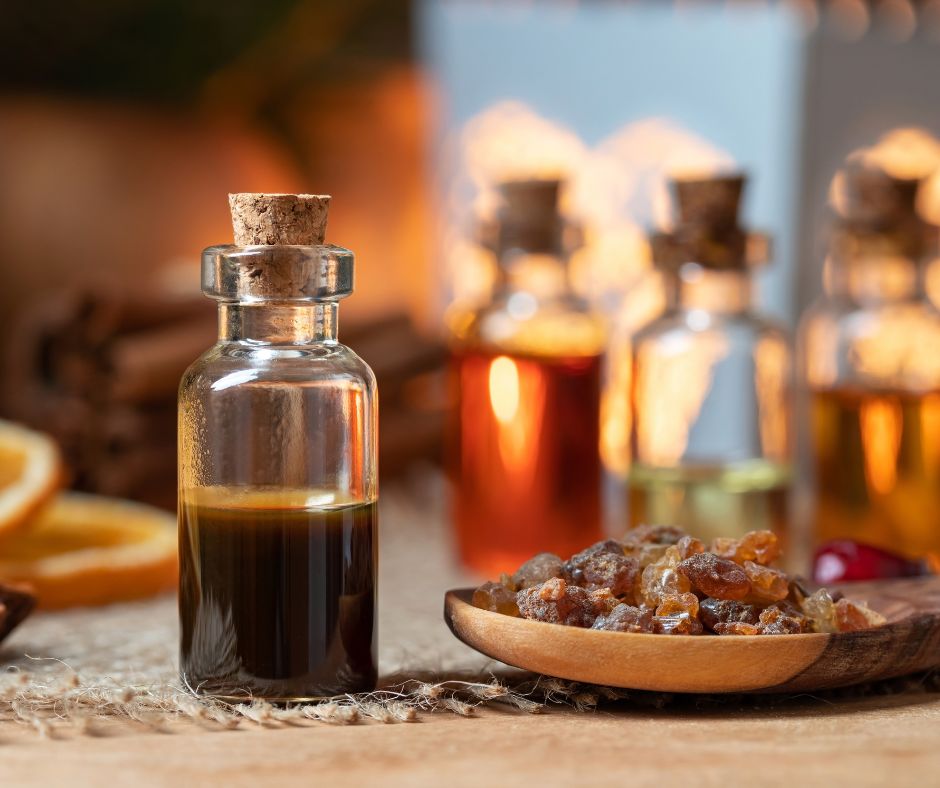
Myrrh is traditionally used for wound care. Use diluted preparations to avoid irritation.
During crusting, many people do best with a simple protective barrier to prevent painful cracking (for example, a thin layer of plain ointment). Avoid fragranced balms that sting.
Caution: Acetone can irritate or burn skin and should never be used near the eyes, inside the mouth, or on large areas. If used at all, apply a tiny amount with a cotton swab to the blister only, avoid surrounding skin, and stop if burning or redness worsens.
Some Earth Clinic readers report that carefully dabbing a tiny amount of acetone on a forming cold sore helps dry it out quickly. Because it can be harsh, this is not for everyone and should be used with extreme care.
These supplements are commonly used to support immune response and healing. Choose one or two to start, follow label directions, and avoid mega-dosing unless supervised.
Tip: If your cold sores are strongly linked to stress, sleep loss, or sun exposure, addressing those triggers often reduces outbreaks more than any single remedy.
Common triggers include stress, illness, sun exposure, wind/cold weather, hormonal changes, alcohol, and sleep disruption. Tracking outbreaks for a few weeks can reveal patterns.
UV exposure is a major trigger for many people. Use a simple lip product with SPF and reapply during outdoor time.
Some people find outbreaks correlate with high-arginine foods (chocolate, nuts, seeds, certain grains). Others are unaffected. If you suspect a link, reduce arginine-heavy foods during high-risk times and emphasize lysine-rich foods.
Outbreak frequency often drops when sleep improves and stress is managed. Even brief daily practices (walking, breathwork, gentle exercise) may help.
What readers often report: Early application matters. Remedies used at the tingling stage tend to work best.
Acetone is one of the most discussed Earth Clinic approaches. Many readers claim it dries a forming cold sore quickly when used very early and very carefully. Others find it too irritating and prefer gentler options.
L-lysine is frequently reported for both prevention and faster healing. Users commonly describe fewer outbreaks when lysine is taken consistently, and shorter outbreaks when used at the first sign of tingling.
Lemon balm is often reported as a top topical remedy, especially for reducing discomfort and shortening the duration when applied early and frequently.
Zinc (topical and/or oral) is commonly mentioned for drying, soothing, and supporting faster healing.
Reminder: What works quickly for one person may not work the same for another. Patch-test topicals and discontinue anything that causes worsening irritation.
Seek medical guidance promptly if:
Prescription antivirals can be very effective for some people, especially if started early. Many individuals use natural strategies alongside medical care.
Many outbreaks last 7–14 days, but early intervention during tingling can shorten duration for some people.
Many people start with lemon balm, lysine, zinc, and a cold compress immediately, then avoid triggers (especially sun and stress).
During the weeping stage, keeping it clean and protected is key. During crusting, a simple protective barrier often prevents painful cracking and can support healing.
Yes. Avoid touching the sore, wash hands, and do not share personal items. Avoid contact lenses if you’ve touched the area without washing first.
Cold sores can be painful and frustrating, but many people get real relief using targeted natural remedies and supportive supplements. For the best results, act early—at the first sign of tingling—and keep your approach simple: a proven topical (like lemon balm or propolis), a support supplement (like lysine), and strong prevention habits (sun protection, sleep, and stress management).
If you have a remedy that worked especially well for you, consider sharing your experience so it can help others in the Earth Clinic community. Keep reading to learn what Earth Clinic readers have to say!