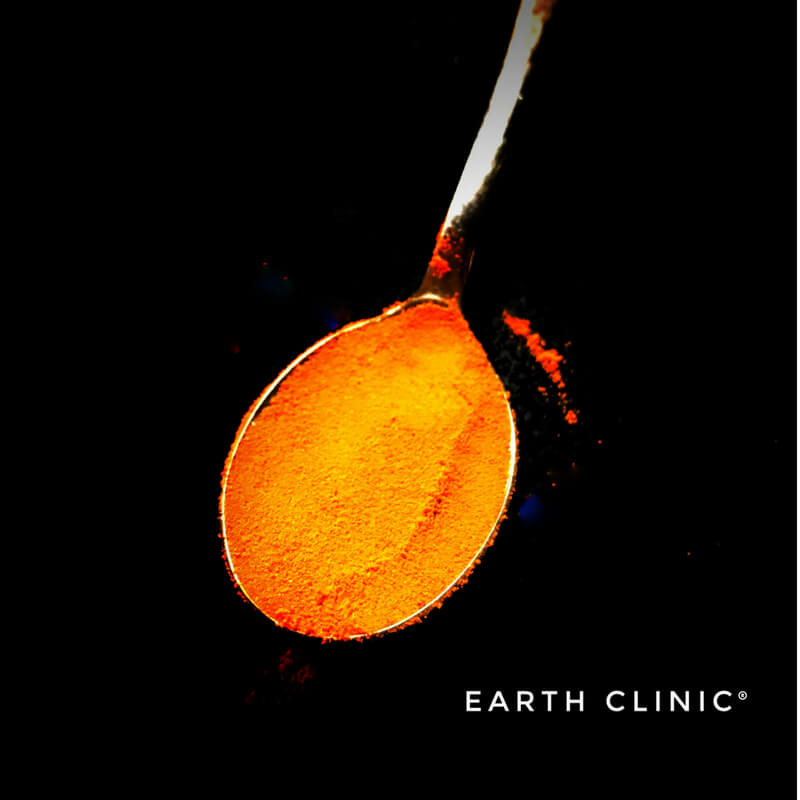
Turmeric (Curcuma longa) is a deep golden spice long used in traditional medicine systems and modern wellness routines. In 2026, turmeric remains one of the most researched natural anti-inflammatory compounds, largely due to its primary active constituent, curcumin. This page explores how turmeric is used, what current research suggests, and how Earth Clinic readers commonly incorporate it into daily routines.
2026 Safety & Purity Perspective: In 2026, sourcing has become a primary concern due to reports of lead contamination (used as an illegal colorant to brighten the root). Always ensure your turmeric is organic and third-party tested for heavy metals. Additionally, turmeric is high in oxalates; if you have a history of kidney stones or gallbladder disease, consult a clinician before starting high-dose protocols.
Historical and Cultural Use of Turmeric
Turmeric has been used for centuries in Ayurvedic, Southeast Asian, and traditional Chinese practices. Derived from a root in the ginger family, it was historically valued not only as a culinary spice but also for skin care, digestive support, wound care, and inflammatory conditions.
Today, turmeric is widely available as a kitchen spice, bulk powder, tea, capsule, and standardized extract. Many people source it from grocery stores, Indian markets, or health food retailers.
Turmeric vs. Curcumin: What’s the Difference?
Turmeric contains hundreds of natural compounds, but curcumin is the most studied. Most modern research focuses on curcumin extracts rather than whole turmeric powder.
Form
What it contains
Notes
Turmeric powder
~2–5% curcumin
Traditional, food-based, mild effect
Curcumin extract
95% curcuminoids
Used in most clinical studies
Enhanced formulas
Curcumin + bioavailability agents
Improved absorption (Liposomal, etc.)
2026 Research Overview: What Studies Focus On Now
Between 2022 and 2026, published reviews and trials increasingly focused on:
Low-grade chronic inflammation and inflammatory signaling pathways (NF-κB).
Joint comfort and osteoarthritis symptom management.
Gut barrier function and microbiome interaction.
Neuroinflammation and cognitive aging markers.
Metabolic health and insulin sensitivity.
Current consensus is that curcumin acts as a modulator of inflammation rather than a direct analgesic or antimicrobial agent.
Commonly Discussed Health Uses
Area
How turmeric is discussed
Context
Joint & arthritis comfort
Reduced stiffness, improved mobility
Often compared with NSAIDs for tolerance
Skin & acne
Topical pastes, masks
Anti-inflammatory, temporary staining possible
Digestive comfort
Bloating, gut irritation
Low doses preferred; aids fat digestion
Neurological aging
Cognitive support interest
Research ongoing regarding BDNF levels
Immune modulation
Inflammatory balance
Not an immune stimulant
Bioavailability: Why Black Pepper Matters
Curcumin is poorly absorbed on its own. Research consistently shows improved uptake when combined with piperine (from black pepper) or taken with fats.
Common absorption strategies:
Curcumin + Piperine: Increases bioavailability by up to 2,000%.
Curcumin + Fats: Taken with meals containing coconut oil, olive oil, or ghee.
Heat Activation: Warmed turmeric is often more digestible.
Earth Clinic’s Famous “Golden Paste” Recipe
Many readers prefer this cooked paste over raw capsules to ensure maximum absorption:
1/2 cup organic turmeric powder
1 cup water (more if needed)
1.5 tsp ground black pepper
1/3 cup cold-pressed coconut or olive oil
Instructions: Stir water and turmeric in a pan over medium/low heat for 7-10 mins until a thick paste forms. Remove from heat and then whisk in pepper and oil. Store in a glass jar in the fridge for up to 2 weeks.
How Earth Clinic Readers Commonly Use Turmeric
Golden milk: Warm milk or plant milk + turmeric + black pepper + honey.
Topical paste: Turmeric + water or oil (patch test first to avoid staining).
Safety, Side Effects, and Interactions
Turmeric is generally well tolerated at culinary and moderate supplemental doses. However:
GI Upset: High-dose curcumin may cause distress in some individuals.
Blood Thinning: Curcumin has mild antiplatelet effects; consult a clinician if on anticoagulants.
Iron Absorption: Turmeric can inhibit iron uptake; take it away from iron-rich meals if anemic.
Gallbladder/Stones: Gallbladder conditions and kidney stone history require caution due to oxalates.
Final Thoughts
In 2026, turmeric remains one of the most respected plant-based anti-inflammatory tools available. While not a cure or medication, it continues to earn attention for its role in supporting inflammatory balance, joint comfort, and overall resilience when used thoughtfully.
Continue below to explore Earth Clinic readers’ experiences with turmeric and curcumin, and feel free to share how it has worked for you.