Warts are small skin growths caused by certain types of the human papillomavirus, or HPV. They are usually harmless, but they can be stubborn, contagious, uncomfortable, and frustrating to remove. Warts may appear on the hands, fingers, feet, face, knees, elbows, or around the nails. Plantar warts on the soles of the feet can be especially painful because body weight pushes them inward while walking.
Earth Clinic readers have shared hundreds of wart remedy reports over the years. The most popular remedy by far is apple cider vinegar, followed by banana peel, folk and mind-body remedies, hydrogen peroxide, duct tape, tea tree oil, castor oil, garlic, iodine, and thuja.
This guide explains the most popular natural remedies for warts, what readers commonly report, how to use each remedy more safely, and when a wart or wart-like growth should be evaluated by a healthcare professional.
Before treating a skin growth at home, it is important to be reasonably sure it is a wart. Warts can be confused with skin tags, corns, calluses, moles, seborrheic keratoses, and other skin growths. Treating the wrong lesion with acidic or irritating remedies can delay proper diagnosis and may damage healthy skin.
Often looks like: A rough, raised, grainy growth. It may have tiny black dots, which are clotted blood vessels rather than seeds.
Common locations: Hands, fingers, knees, elbows, soles of the feet, and around nails.
Often looks like: A soft, flesh-colored flap of skin on a small stalk.
Common locations: Neck, underarms, eyelids, groin folds, and under the breasts.
Often looks like: Thickened, hardened skin caused by friction or pressure. Corns and calluses are common on feet and toes.
Important clue: A plantar wart may interrupt normal skin lines and can have black dots. A callus usually follows pressure points and does not have viral blood-vessel dots.
Do not treat at home if a growth is dark, irregular, changing, bleeding, painful, or uncertain. It should be evaluated by a healthcare professional.
Often looks like: A waxy, stuck-on, rough or scaly growth, often on the face, scalp, chest, back, or shoulders. These are common with age and are not warts.
Best approach: Have new or changing growths confirmed before using home remedies.
Warts are caused by HPV entering the top layer of skin, often through tiny cuts, scratches, hangnails, or skin softened by moisture. Warts can spread from one part of the body to another or from person to person through contact with the wart or contaminated surfaces.
Common warts are rough, raised growths that often appear on the hands, fingers, elbows, and knees. They may be flesh-colored, gray, brown, or slightly darker than the surrounding skin.
Plantar warts grow on the soles of the feet. They may look flat because body weight pushes them inward. They can feel like stepping on a pebble and may become painful with walking or exercise.
Flat warts are smaller, smoother, and flatter than common warts. They may appear in clusters on the face, hands, or legs.
Filiform warts are narrow, finger-like growths that often appear around the mouth, nose, chin, or eyelids. Because of their location, they are best evaluated before home treatment.
Important: This article focuses on common non-genital skin warts. Genital, anal, or oral HPV lesions require medical evaluation and should not be treated with apple cider vinegar, garlic, essential oils, or other irritating home remedies.
Earth Clinic’s reader feedback shows a clear pattern. Apple cider vinegar is the dominant wart remedy, with banana peel a strong second. However, the best remedy depends on the wart’s location, thickness, pain level, skin sensitivity, and whether the wart is on the face, hands, feet, or around the nails.
Reader Reports: 132
Best For: Common warts, hand warts, some plantar warts, and stubborn warts.
Typical Reader Experience: Wart turns white, purple, brown, or black, dries, scabs, shrinks, and eventually separates.
Main Drawback: Can sting, throb, burn surrounding skin, and cause scabbing if used too aggressively.
Reader Reports: 48
Best For: Children, sensitive skin, and those who want a gentler approach.
Typical Reader Experience: Gradual shrinking, softening, or disappearance with nightly use.
Main Drawback: Slower than more aggressive remedies.
Reader Reports: 20
Best For: People interested in suggestion, visualization, hypnosis, prayer, or traditional folk methods.
Typical Reader Experience: Some readers report wart resolution after symbolic or belief-based rituals. These reports are anecdotal, but the mind-immune connection is a longstanding area of interest.
Main Drawback: Results are unpredictable and difficult to study.
Reader Reports: 11
Best For: Small warts and sensitive areas where ACV may be too harsh.
Typical Reader Experience: Slower layer-by-layer peeling, often with less pain.
Main Drawback: Requires consistency for several weeks.
Reader Reports: 10
Best For: Common warts and some plantar warts.
Typical Reader Experience: Wart softens and gradually breaks down with repeated occlusion and gentle filing.
Main Drawback: Can take weeks and may irritate skin.
Wart-removal timelines vary widely. A small new wart on the hand may respond much faster than an old plantar wart under thick callused skin. The following timelines are general reader-pattern estimates, not guaranteed outcomes.
Typical range: Several days to several weeks.
Common signs of progress: Color change, darkening, tenderness, scabbing, shrinking, and separation.
Typical range: Several weeks.
Common signs of progress: Wart softens, flattens, shrinks, or gradually fades.
Typical range: Several weeks.
Common signs of progress: Whitening, drying, and layer-by-layer peeling.
Typical range: Several weeks or longer.
Common signs of progress: Softened wart tissue that can be gently removed over time.
Typical range: Days to weeks.
Common signs of progress: Drying or irritation of wart tissue.
Caution: Garlic can burn healthy skin quickly.
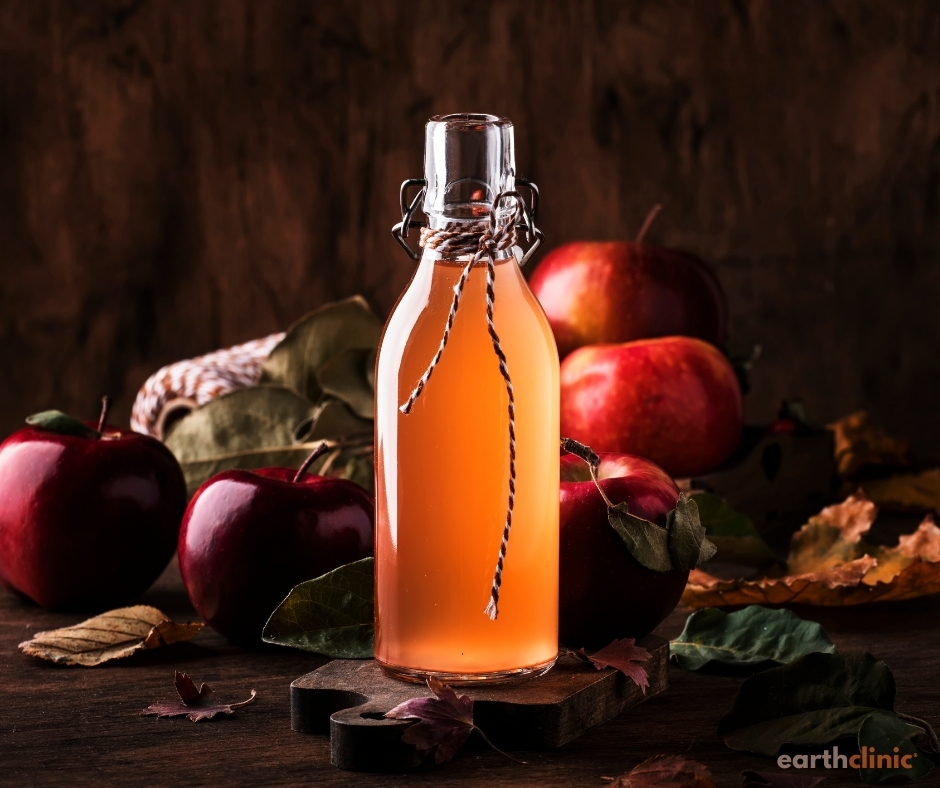
Apple cider vinegar is Earth Clinic’s most popular wart remedy, with 132 reader reports. Readers commonly use it topically by applying ACV to a small piece of cotton, covering the wart overnight, and repeating until the wart darkens, dries, and falls away.
The acidity of apple cider vinegar may help break down wart tissue. It may also irritate the area enough to stimulate a local immune response. However, this same acidity can burn surrounding skin, especially if the cotton is too large, the area is tightly sealed, or the treatment is continued after skin becomes raw.
Reader reports repeatedly describe a similar pattern: the wart changes color, becomes tender, darkens or blackens, dries, and eventually separates. Some readers report results in a few days, while others need one to two weeks or longer. Older, thicker, or plantar warts usually take more patience.
Stop or pause apple cider vinegar treatment if there is severe burning, spreading redness, blistering, pus, significant swelling, open raw skin, or pain that feels excessive. Let the area heal before considering whether to continue.
Do not use ACV on genital warts, around the eyes, on open wounds, or on any growth that has not been clearly identified as a wart.
Many wart remedies change the appearance of the wart before it improves. This can be alarming if you are not expecting it. Color changes are especially common with apple cider vinegar and other drying or irritating remedies.
Warning signs include severe pain, spreading redness, pus, warmth, fever, red streaks, or a wound that does not heal. These require medical attention.
Plantar warts are different from many hand warts because they grow on the soles of the feet and are often covered by thick callused skin. If a remedy cannot reach the wart tissue, it may irritate surrounding healthy skin without making much progress.
People with diabetes, neuropathy, poor circulation, immune suppression, or slow wound healing should not self-treat plantar warts without medical guidance.
Banana peel is the second most popular wart remedy on Earth Clinic. It is inexpensive, gentle, and easy to try, especially for children or people whose skin cannot tolerate acidic remedies.
Readers usually apply the inner side of a banana peel directly to the wart and cover it overnight. Some prefer less-ripe banana peel, while others use ripe peel.
Banana peel is usually slower than ACV, but it is less likely to sting or burn. It may be a good first option for children, sensitive skin, or small warts.
Hydrogen peroxide is a useful alternative for people who want a slower and gentler approach. One popular Earth Clinic reader report described using regular 3% hydrogen peroxide twice daily on a wart near the upper lip. The wart gradually peeled layer by layer and disappeared after several weeks, without pain or scarring.
Important: Do not use high-strength “food grade” hydrogen peroxide directly on skin. Concentrated peroxide can cause serious chemical burns.
The duct tape method is a well-known home approach for common and plantar warts. The theory is that occlusion, mild irritation, moisture, and repeated removal of softened skin may stimulate the immune system and gradually weaken the wart.
Do not reuse files, pumice stones, or emery boards used on warts, as this may spread the virus.
Tea tree oil is used for warts because of its strong skin-cleansing properties. It is potent and can irritate skin, especially when used undiluted.
Caution: Tea tree oil should not be swallowed. Use extra caution on children, pets, sensitive skin, and facial areas.
Castor oil is a gentle remedy often used for skin growths, rough patches, and irritated skin. For warts, readers may apply castor oil alone or combine it with baking soda to form a paste.
Castor oil is usually slower and gentler than ACV. It may be useful when harsh remedies are not tolerated.
Garlic has a long history as a traditional remedy for viral skin growths. Earth Clinic readers have used fresh garlic slices or crushed garlic directly on warts.
One reader described treating the first wart that appeared, sometimes called the “mother wart” in folk traditions, by taping fresh garlic over it nightly. Over time, the original wart dried, and the remaining warts reportedly dried as well.
Caution: Garlic can burn skin. Protect surrounding skin and avoid using garlic on the face, genitals, open wounds, or sensitive areas.
Iodine is another Earth Clinic remedy for warts. It is typically applied directly to the wart once or twice daily. Some people use povidone-iodine, while others use stronger iodine solutions.
Iodine stains skin and clothing and may irritate sensitive skin. People with thyroid disease, iodine sensitivity, or those taking thyroid medication should use caution and consult a healthcare provider before repeated iodine use.
Thuja is a traditional homeopathic remedy often associated with warts, especially warts on the hands, face, or around the nails. It may be used internally as a homeopathic preparation or externally as a topical product.
Because homeopathic dosing varies widely, follow product directions or consult a qualified practitioner.
Topical vitamin A has some published support for wart treatment and is included here because it is an important non-prescription option. Vitamin A plays a key role in skin cell turnover and immune function.
Caution: Do not take high-dose vitamin A internally unless supervised by a healthcare professional, especially during pregnancy or if liver disease is present.
Children commonly get warts, especially on the hands, fingers, knees, and feet. Because children may pick at warts or have more sensitive skin, gentler remedies are usually better starting points.
Use caution with apple cider vinegar, garlic, essential oils, and iodine on children, as these can irritate or burn skin. Avoid harsh remedies on the face or near the eyes.
One reader reported success using ascorbic acid crystals mixed with coconut oil into a paste for a stubborn wart on the ear lobe after other remedies failed. The wart reportedly darkened and resolved.
Aloe vera gel may soothe irritated skin and support healing, especially after a wart has fallen away or after a harsher remedy has caused dryness.
Green tea compounds have been studied in dermatology, especially for certain HPV-related lesions. For common skin warts, green tea is more commonly used as general antioxidant and immune support.
Black seed oil is increasingly used for immune and skin support. Although it is not among Earth Clinic’s top wart remedies, it may be worth considering as a supportive oil for people who tolerate it well.
Even in a natural remedies article, it is useful to understand standard wart treatments. Many people combine home care with conventional options, especially for painful plantar warts or stubborn warts that do not respond.
Salicylic acid is a common over-the-counter wart treatment. It gradually removes layers of wart tissue and usually requires daily use for weeks. It should not be used on the face, genitals, irritated skin, moles, or uncertain growths.
Dermatologists may use cryotherapy, cantharidin, curettage, prescription creams, immune-stimulating treatments, or other therapies for stubborn, painful, or spreading warts.
Warts are viral, so immune function matters. Some people are more prone to warts during stress, after illness, with poor sleep, or when nutrient intake is low.
Internal support is especially important for people with multiple recurring warts.
After a wart separates, the skin underneath may look pink, tender, slightly indented, or raw. Good aftercare helps the area heal and may reduce irritation or scarring.
Warts can spread through direct contact, shared items, or small breaks in the skin. Prevention is especially important when treating warts at home.
Most common warts are harmless, but not every skin growth is a wart. A healthcare provider should evaluate uncertain, painful, fast-changing, or sensitive-area growths.
Seek medical advice if:
Genital warts require medical care. Do not use apple cider vinegar, garlic, essential oils, or other irritating home remedies on genital or anal tissue.
Apple cider vinegar is the most popular Earth Clinic wart remedy, with 132 reader reports. Readers often report that the wart turns dark, dries, and falls away after repeated topical ACV applications.
A common method is to soak a tiny piece of cotton in apple cider vinegar, place it directly on the wart, protect surrounding skin with petroleum jelly, cover with a bandage, and leave it on for several hours or overnight.
Many readers report that warts turn black as they dry and separate from the skin. However, severe pain, spreading redness, pus, or open sores are signs to stop treatment and seek medical advice.
Banana peel is the second most popular wart remedy on Earth Clinic. Readers usually tape the inside of the peel over the wart overnight and repeat nightly until the wart shrinks or disappears.
Hydrogen peroxide may be gentler for some people, especially when using regular 3% drugstore hydrogen peroxide. It is often slower than ACV but may cause less stinging and less dramatic scabbing.
Some people report success with duct tape occlusion. The method involves covering the wart, periodically soaking and gently filing dead skin, and repeating for several weeks.
Yes. Warts can spread through direct contact, shared personal items, public surfaces, and scratching or shaving over a wart.
Yes. Warts can recur if the virus remains in nearby skin or if the immune system does not fully clear the infection. Supporting immune health and preventing spread may reduce recurrence.
Use caution. Facial growths should be properly identified before treatment, especially near the eyes, lips, or nose. Harsh remedies such as ACV, garlic, and essential oils can burn or scar delicate facial skin.
Genital warts are caused by different HPV types than most common hand and foot warts. They require medical evaluation and should not be treated with irritating home remedies.
Keep the area clean, avoid picking, protect tender new skin, and watch for signs of infection or recurrence. If the area does not heal normally, seek medical advice.
Warts can be frustrating, stubborn, and contagious, but many people have found relief using simple home remedies. On Earth Clinic, apple cider vinegar is the leading wart remedy, followed by banana peel, hydrogen peroxide, duct tape, tea tree oil, castor oil, garlic, iodine, and thuja.
The best remedy depends on the wart’s location, size, thickness, sensitivity, and how aggressive a treatment you can tolerate. ACV is often fast but can sting and irritate surrounding skin. Banana peel and castor oil are gentler but slower. Hydrogen peroxide may be a useful middle ground for some people. Plantar warts often require extra preparation because thick callused skin can block topical remedies from reaching the wart.
Continue reading below to discover which wart remedies have worked best for Earth Clinic readers, and please share your own experience with us.