Dealing with impetigo can be stressful. This common and highly contagious skin infection, especially frequent in children, causes itchy, crusting sores. This guide is here to help. We'll walk through gentle home care, evidence-informed natural remedies, and user-reported tips that can support healing alongside your doctor's advice.
⚠️ Important Medical & Safety Notes
- See a doctor promptly for: widespread rashes, lesions near the eyes, fever, significant pain, rapidly spreading redness, any infant with sores, or if you suspect MRSA.
- This is a bacterial infection. Impetigo is caused by Staph or Strep. Antibiotics are the first-line treatment for most moderate-to-severe cases. Natural remedies are supportive, not a replacement for medical care.
- Prevent the spread: This is critical. Keep nails short, cover lesions loosely, do not share towels or linens, wash hands and surfaces often, and stay home from school or activities until 24 hours after starting antibiotics or until lesions are fully dry and crusted.
What Is Impetigo? (Symptoms & Types)
Impetigo is a superficial skin infection, most common in children but possible at any age. It often starts as small red spots or blisters that rupture and form a characteristic honey-colored crust. It typically appears around the nose and mouth, but can be on the face, hands, or anywhere the skin is broken (like bug bites or scrapes).
- Non-bullous impetigo: The classic, crusted patches.
- Bullous impetigo: Features larger blisters and is often seen in infants and young children.
- Ecthyma: A deeper, ulcerative form that requires medical care.
Critical: Hygiene & Contagion Control
- Wash hands frequently; use a pump soap at sinks.
- Cleanse lesions gently 2–3 times a day. Pat dry with a disposable tissue or a dedicated towel that is laundered immediately in hot water.
- Keep fingernails cut short. Discourage scratching (consider cotton gloves at night for kids).
- Launder all pillowcases, bath towels, and clothing in hot water daily. Do not share these items.
- Cover lesions with a breathable, non-stick dressing during the day (especially for school/activities). You can uncover them at home to air-dry.
Gentle Cleanser Options
Saline solution (1/4 tsp salt in 1 cup sterile warm water), diluted apple cider vinegar (1 tbsp in 1 cup water; caution: will sting broken skin), or a hypochlorous acid skin spray can all help keep the area clean.
Topical Natural Remedies
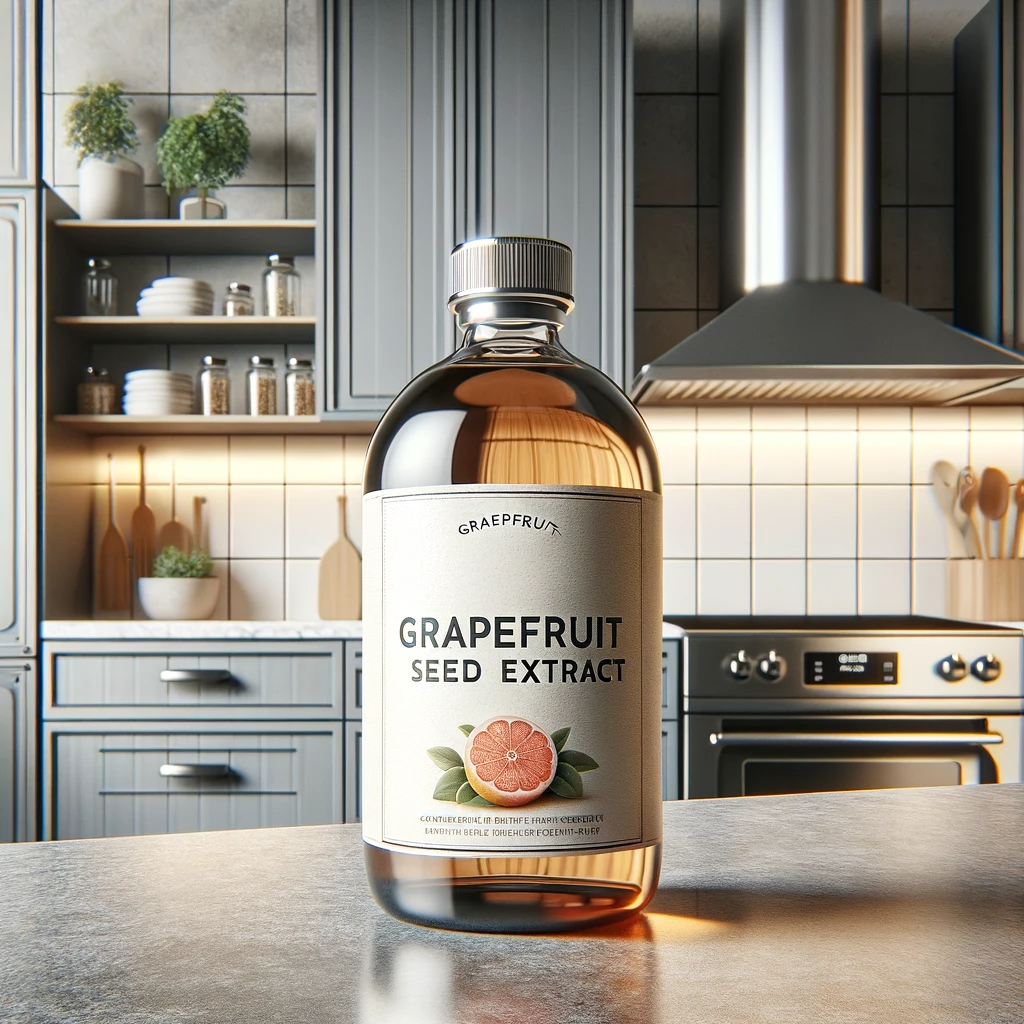
Grapefruit Seed Extract (GSE) — Diluted
- Why: A reader-favorite for stubborn patches.
- How: MUST be diluted. Follow your product’s topical dilution guide. A general guide is a very dilute mix (e.g., a few drops in 1 oz/30 mL of water or aloe vera gel).
- Note: Patch test first. GSE can sting or irritate. Avoid eyes and mucous membranes.
Colloidal Silver Gel (Topical Only)
- Why: Many users report it helps dry lesions quickly.
- How: Apply a thin film 2–4 times per day. Let it dry before covering.
- Safety: Do not ingest. Use only topical gel.
Manuka Honey (Medical-Grade)
- Why: Creates a moist, antibacterial environment and can help soften crusts gently.
- How: Dab a small amount onto cleaned skin 2–3 times a day. Cover lightly if needed.
- Tip: Gently warming the honey (e.g., in your hands) thins it for easier application.
Turmeric Paste (Spot Use)
- Why: Used for its anti-inflammatory support.
- How: Mix a pinch of turmeric powder with a few drops of sterile water or aloe vera to form a paste. Apply a tiny amount, primarily to the intact skin edge, not deep into open cracks.
- Note: This will stain skin and clothing yellow.
Warm Compress
- Why: A safe way to soften crusts (do not pick!) and support local circulation.
- How: Apply a clean compress soaked in warm (not hot) water for 5–10 minutes, 2–3 times a day. Gently pat dry and then apply your chosen topical remedy.
Tea Tree Oil — Very Low Dilution
- Why: A well-known antimicrobial essential oil.
- How: Use a 0.5% to 1% dilution (e.g., 1–2 drops in 2 tsp/10 mL of a gentle carrier oil).
- Safety: Not for toddlers or infants. Use with extreme caution. Avoid eyes and do not apply to broken skin as it will sting.
Diet & Supplements That Support Skin Healing
- Vitamin C: 250–500 mg, 1–2 times per day with food, to support immune function and collagen.
- Zinc: 15–25 mg per day for a short course (7–14 days), unless guided by a doctor.
- Omega-3s (EPA/DHA): ~1 g per day to support skin and immune balance (check with your doctor if you are on blood-thinners).
- Probiotics: A daily lacto/bifido blend can support the skin–gut axis, especially if antibiotics are used.
- Food Basics: Emphasize fruits, vegetables, adequate protein, and plenty of water. For kids, try to minimize sticky, sugary snacks that smear around the mouth and nose area.
How to Use Remedies (Step-by-Step)
- Clean: Wash your hands thoroughly. Gently cleanse the lesions with saline or a mild, unfragranced soap. Pat dry with a clean, disposable paper towel.
- Soften (Optional): Apply a warm compress for 5–10 minutes to soften crusts. Do not pick or scrub the crusts, as this can spread the infection and cause scarring.
- Apply Topical: Choose one topical remedy (e.g., colloidal silver gel or diluted GSE or manuka honey). Apply a thin layer 2–4 times a day.
- Cover (If Needed): Use a non-stick dressing to cover the area for school, sleep, or to prevent scratching. When safe at home, allowing it to air-dry can be helpful.
- Hygiene Loop: Remain vigilant. Wash hands after every application, keep nails short, hot-wash linens daily, and disinfect high-touch surfaces (doorknobs, toys).
- Reassess: If the area is worsening, spreading, or you see no improvement, stop home care and seek medical evaluation.
Child-Safety Note
Avoid essential oils on infants and use extreme caution with them around the face of any child. Manuka honey is safe on the skin at any age, but never feed honey to an infant under 1 year old due to the risk of botulism.
What Earth Clinic Readers Report
Frequently Praised
- Grapefruit Seed Extract (diluted) in aloe gel: Reported to reduce itch/ooze and speed up drying.
- Colloidal silver gel (applied frequently at first): Many users state it "dried up in 1–2 days."
- Manuka honey (under a light dressing): A gentle option for kids that helps soften crusts without picking.
- Warm compress (used before a topical): Users report less tenderness and easier, gentler cleansing.
Mixed Results & Cautions
- Strong GSE: Using GSE without dilution caused stinging and irritation. Relief was found only after proper dilution.
- Picking crusts: This almost always led to spreading the infection and took longer to heal.
- Skipping hygiene: Users who didn't strictly wash linens and hands often saw siblings or other family members get infected.
Frequently Asked Questions (FAQs)
Can impetigo go away on its own?
Mild cases can sometimes resolve in 2–3 weeks, but treatment (medical and/or supportive home care) typically shortens the duration, reduces the risk of spreading it to others, and lowers the chance of complications.
When must I see a doctor?
Seek prompt evaluation for any rapidly spreading rash, fever, pain, lesions near the eyes, infants with sores, or any signs of a deeper infection (like warmth, swelling, and deep redness).
Can I send my child to school?
Because impetigo is so contagious, most school policies recommend staying home until 24 hours after starting prescribed antibiotics or until all lesions are completely dry and crusted over. Check your specific school's policy.
Is it okay to combine natural remedies?
It's best to use one primary topical at a time to avoid irritation (e.g., use colloidal silver gel or manuka honey, not both at once). You can, however, combine a topical remedy with supportive hygiene and internal supplements.
With careful hygiene and a gentle, targeted approach, many people find they can support the healing process, making impetigo less painful and helping it resolve faster. Use this guide to build a safe, simple routine—and always partner with your clinician for any case that is spreading, severe, or recurrent.