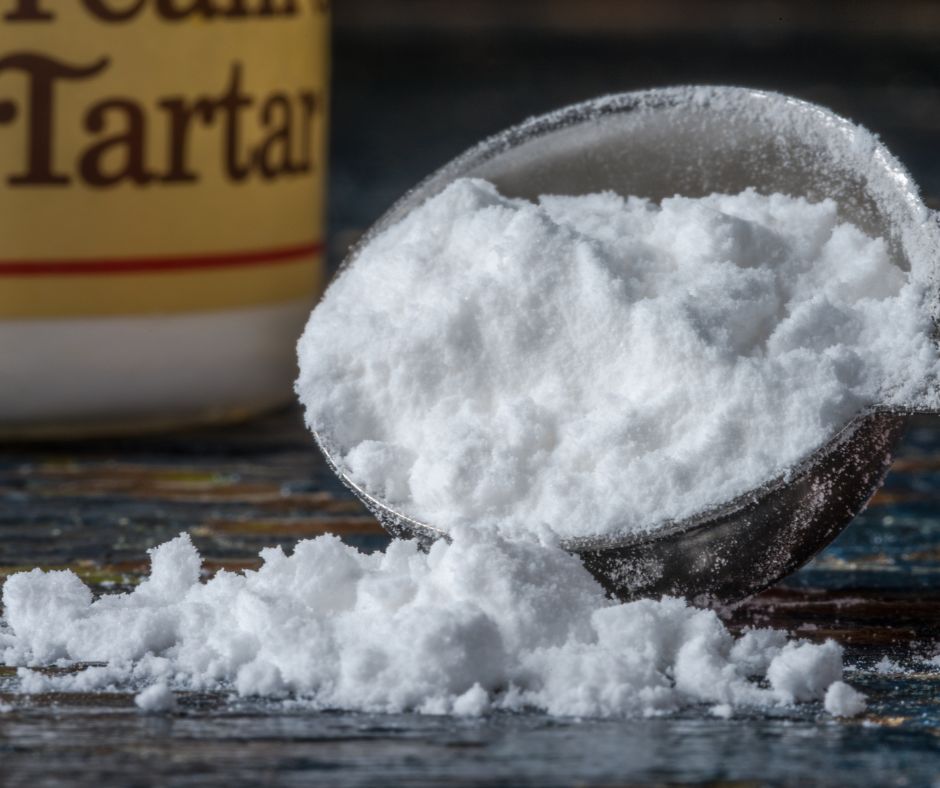
Cream of tartar, scientifically known as potassium bitartrate or potassium hydrogen tartrate, is far more than a simple baking ingredient. This naturally occurring acidic compound forms as crystalline sediment during the fermentation of grape juice into wine. Once purified into a fine white powder, it becomes a versatile pantry staple used in baking science, traditional home remedies, natural cleaning, and food preservation.
In recent years, cream of tartar has attracted renewed interest because of its exceptionally high potassium content and widespread use in folk wellness protocols shared across decades of reader experiences. However, while culinary use is generally considered safe, concentrated medicinal intake carries important electrolyte and kidney-related risks that are often overlooked online.
For over two decades, Earth Clinic readers have discussed cream of tartar remedies for everything from fluid balance and migraines to skin clarity and smoking cessation support. These anecdotal reports offer valuable historical insight, but modern readers should balance traditional use with evidence-based safety precautions.
Read More



