Canine yeast infections are one of the most common and frustrating conditions discussed in Earth Clinic's pet health community. Dogs with yeast overgrowth typically present with intense itching, scratching, chewing at paws, ear odor and discharge, skin discoloration, and a characteristic musty smell. Earth Clinic readers have shared natural remedy approaches for canine yeast infections for over two decades — covering topical treatments, internal protocols, diet changes, and long-term prevention.
This page covers the natural remedies Earth Clinic readers use most for dog yeast infections, including apple cider vinegar, yogurt and probiotics, coconut oil, diet changes, and antifungal herbs. It also covers why yeast infections recur in dogs, which body areas are most commonly affected, and what experienced pet owners report about achieving lasting results.
Important: Natural remedies for canine yeast infections are not a substitute for veterinary diagnosis and care. Yeast infections can resemble other conditions including bacterial infections, allergies, and mange. If your dog's symptoms are severe, worsening, or not improving, consult a veterinarian. The information below is based on Earth Clinic reader experiences and is provided for educational purposes only.
Earth Clinic readers have shared natural approaches for canine yeast infections for over 20 years. Our long-time pet health contributor Theresa has been particularly active in this area, providing detailed guidance on protocols, probiotic rotation, and dietary approaches. The community's collective experience with dog yeast infections represents one of the most detailed collections of reader-tested natural pet health information online.
After two decades of community submissions on canine yeast infections, several consistent patterns have emerged in Earth Clinic reader reports.
The most important pattern in Earth Clinic's canine yeast infection posts is that topical remedies — apple cider vinegar rinses, coconut oil applications, antifungal washes — help manage symptoms and provide relief, but rarely resolve recurring yeast problems on their own. Readers who report long-term success almost always describe addressing diet at the same time. Dogs that return to a high-carbohydrate, grain-based diet typically see their yeast infections return, regardless of how effective the topical treatment was.
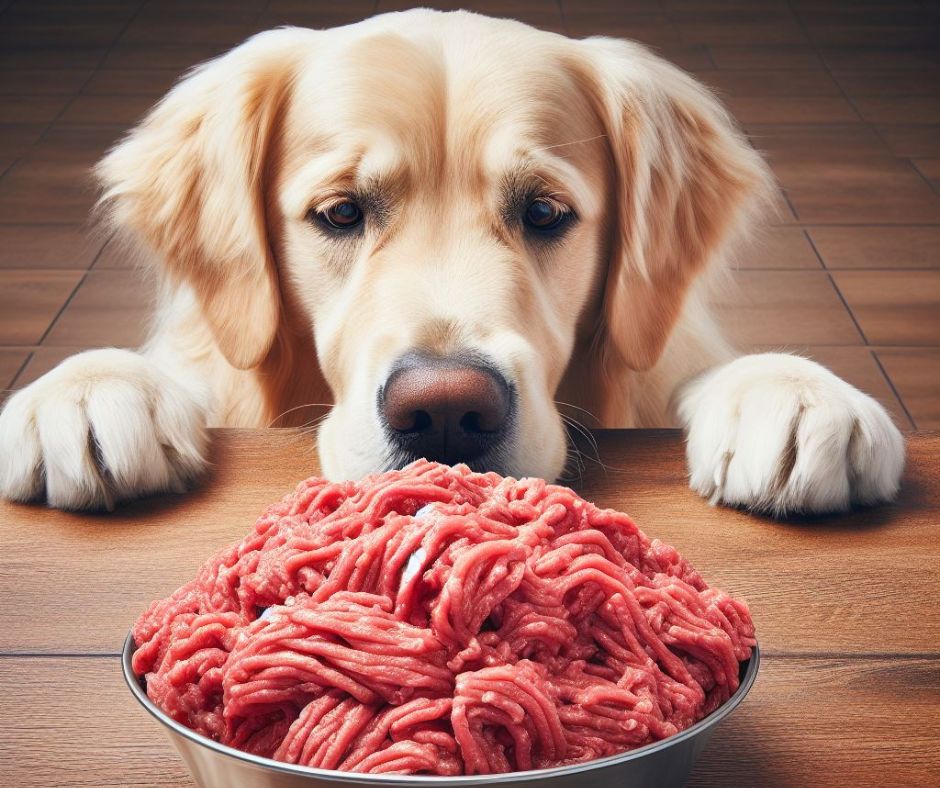
Switching to a grain-free, low-carbohydrate, or raw diet is the single most consistently reported factor in long-term resolution of canine yeast infections across Earth Clinic reader posts. Yeast thrives on sugar and carbohydrates — and many commercial dog foods, even premium brands, are high in grains and starches that feed yeast overgrowth. Readers who made dietary changes alongside topical treatment report far better long-term outcomes than those who used topical remedies alone.
Earth Clinic's long-time pet contributor Theresa consistently recommends probiotics as a core component of canine yeast treatment — not yogurt specifically, but rotating probiotic capsules to avoid the dog's gut adapting to a single strain. The pattern across reader posts supports this: dogs treated with both topical remedies and probiotics tend to recover more completely than those treated with topical remedies alone.
Many readers describe their dogs as having yeast in multiple locations at once — ears, paws, underbelly, and skin folds all together. This is consistent with systemic yeast overgrowth rather than isolated topical infection, and it reinforces why internal approaches (diet, probiotics) matter as much as topical ones. Treating ears alone when the dog also has paw chewing and skin odor typically produces incomplete results.
Reader posts frequently mention certain breeds as particularly susceptible to recurring yeast infections: Labrador Retrievers, Golden Retrievers, Cocker Spaniels, Basset Hounds, Bulldogs, Shih Tzus, and other dogs with floppy ears or skin folds. Readers with these breeds describe yeast management as an ongoing aspect of their dog's health care rather than a one-time problem to solve.
Earth Clinic readers describe a recognizable cluster of symptoms in dogs with yeast overgrowth:
Readers note that the "corn chip" or musty odor is often the clearest early indicator of yeast overgrowth, appearing before more visible skin symptoms develop.
Apple cider vinegar is Earth Clinic's most discussed topical remedy for canine yeast infections. Its antifungal and antibacterial properties make it useful for creating an environment on the skin that is inhospitable to yeast. Raw, unfiltered ACV with the mother is consistently recommended by readers over filtered varieties.
Always avoid applying ACV to open sores, raw skin, or broken skin — it will cause significant discomfort. If your dog has raw, broken skin from scratching, dilute ACV heavily or apply coconut oil instead until the skin has healed.
Probiotics are a core component of Earth Clinic's canine yeast infection approach, working from the inside to restore healthy gut flora and reduce the systemic yeast overgrowth that drives recurring skin and ear infections.
Earth Clinic contributor Theresa specifically recommends probiotic capsules over plain yogurt for dogs with yeast infections. Her reasoning, widely supported in reader discussions: yogurt contains dairy, which some dogs do not tolerate well and which can contribute to digestive issues. Probiotic capsules allow for rotation of strains — an important strategy because using the same probiotic continuously can lead to adaptation. Theresa's recommendation is to give 1 capsule morning and evening, rotate brands and strains regularly, and discontinue daily use once the dog has recovered, using probiotics periodically for maintenance.
Plain, unsweetened Greek yogurt remains a practical option for dog owners who prefer a food-based approach, provided the dog tolerates dairy. The key is plain and unsweetened — flavored yogurts or those containing xylitol are dangerous for dogs. Typical reader-reported dosing is 1–2 tablespoons added to food once or twice daily, adjusted for dog size.
Coconut oil is discussed by Earth Clinic readers both as a topical remedy and an internal supplement for canine yeast infections. Its antifungal properties come primarily from caprylic acid and lauric acid, medium-chain fatty acids with known activity against Candida and other yeast species.
Topically: Readers apply virgin coconut oil directly to affected skin, paws, ear flaps (not deep into the ear canal), and skin folds. It is particularly recommended for dogs with raw or irritated skin where ACV would be too harsh. It soothes while also fighting yeast.
Internally: Readers add small amounts of virgin coconut oil to food. Typical starting doses are 1/4 teaspoon for small dogs and 1 teaspoon for larger dogs, increased gradually. Starting too high can cause digestive upset — loose stools are a common sign of starting coconut oil too quickly.
Diet change is the most important long-term intervention for dogs with recurring yeast infections, according to the consistent pattern across Earth Clinic reader posts. Yeast feeds on sugar and carbohydrates — and most commercial dog foods, including many premium brands, contain significant amounts of grains, starches, and carbohydrates that sustain yeast overgrowth.
Dogs whose yeast infections kept returning despite topical treatment almost always showed lasting improvement once diet was changed. If your dog has had three or more yeast-related episodes, diet change is likely more important than any topical remedy.
Ear yeast infections are among the most common and recurrent problems discussed in Earth Clinic's canine community. Dogs with floppy ears, dogs that swim frequently, and dogs on high-carbohydrate diets are most susceptible.
Symptoms specific to ear yeast infections include: dark brown or black discharge, strong odor, head shaking, scratching at ears, redness inside the ear flap, and sensitivity when the ear is touched.
Reader approaches for dog ear yeast infections include diluted ACV applied with cotton balls to the outer ear (never deep into the canal), colloidal silver drops, and diluted hydrogen peroxide rinses. Keeping ears dry after bathing or swimming is consistently mentioned as a prevention measure. Diet change is again identified as the most important factor for dogs with recurring ear yeast infections.
Never pour liquids directly into a dog's ear canal without veterinary guidance, and never use cotton swabs deep inside the ear. If your dog's ear infection involves the inner ear, is causing significant pain, or involves a ruptured eardrum, see a veterinarian before attempting home treatment.
Paw chewing and licking is one of the most common presentations of canine yeast infection discussed on Earth Clinic. The reddish-brown staining between toes from saliva combined with yeast is a classic sign. Dogs with paw yeast often chew obsessively, particularly at night.
Reader approaches for paw yeast include: ACV paw soaks (50/50 dilution for several minutes), coconut oil application between the toes, and keeping paws dry after walks. Thoroughly drying between the toes after any water exposure is important — moisture is a key factor in paw yeast persistence. Diet change and probiotics are again consistently mentioned as essential for lasting resolution.
Recurring yeast infections are one of the most common frustrations expressed in Earth Clinic pet posts. Readers describe spending months on topical treatments, seeing improvement, then watching the infection return. The community's accumulated experience points to several consistent reasons:
According to Earth Clinic reader reports, the most effective approach combines a topical remedy (apple cider vinegar rinses or coconut oil) with internal probiotics and a dietary change to grain-free or low-carbohydrate food. No single topical remedy produces lasting results without addressing diet.
Yes — diluted ACV is Earth Clinic's most discussed topical remedy for canine yeast infections. Use a 50/50 ACV and water mixture for most applications, or dilute further for sensitive skin. Never apply to broken or raw skin, and do not rinse off — allow it to air dry on the coat.
Reader timelines vary. Some dogs show reduced itching within a few days of topical ACV treatment. Full resolution, particularly for systemic yeast with ear and paw involvement, typically takes several weeks — and requires dietary changes alongside topical treatment for lasting results.
Earth Clinic contributor Theresa recommends probiotic capsules over yogurt, specifically to avoid dairy and to allow rotation of probiotic strains. If you use yogurt, choose plain, unsweetened Greek yogurt only — never flavored varieties or anything containing xylitol, which is toxic to dogs.
Grains (corn, wheat, soy, rice), starchy vegetables (potato, sweet potato, tapioca), and sugars are the primary dietary drivers of canine yeast overgrowth. Many commercial dog foods — including premium brands — are high in these ingredients. Switching to grain-free, low-carbohydrate, or raw food is the most commonly reported dietary intervention.
Recurring yeast infections in dogs are almost always related to one or more of: diet high in carbohydrates feeding the yeast, antibiotic use disrupting gut flora, underlying food or environmental allergies, incomplete treatment of all affected areas, or chronic moisture. Diet change is the most impactful intervention for dogs with recurring yeast.
Yes. Virgin coconut oil is antifungal and can be used both topically on affected skin and internally added to food. Start with small internal doses (1/4 teaspoon for small dogs, 1 teaspoon for larger dogs) and increase gradually to avoid digestive upset.
Yes. Dogs with floppy ears, skin folds, or a predisposition to allergies tend to be more yeast-prone. Breeds frequently mentioned in Earth Clinic reader posts include Labrador Retrievers, Golden Retrievers, Cocker Spaniels, Basset Hounds, Bulldogs, and Shih Tzus.
Canine yeast infections are manageable — but rarely through topical treatment alone. Earth Clinic's 20+ years of reader experience points consistently toward a combined approach: topical antifungal remedies (ACV, coconut oil) for symptom relief, probiotics for gut flora restoration, and dietary change as the foundation for lasting resolution. Dogs whose yeast keeps returning almost always need a diet change to break the cycle.
Scroll down to read Earth Clinic reader reports on natural remedies for dog yeast infections, including ear infections, paw chewing, skin yeast, and dietary approaches.
Below are Earth Clinic reader reports on natural remedies for canine yeast infections, including apple cider vinegar, probiotics, coconut oil, diet changes, and related approaches.