At a Glance: Natural Remedies for Feline Acne
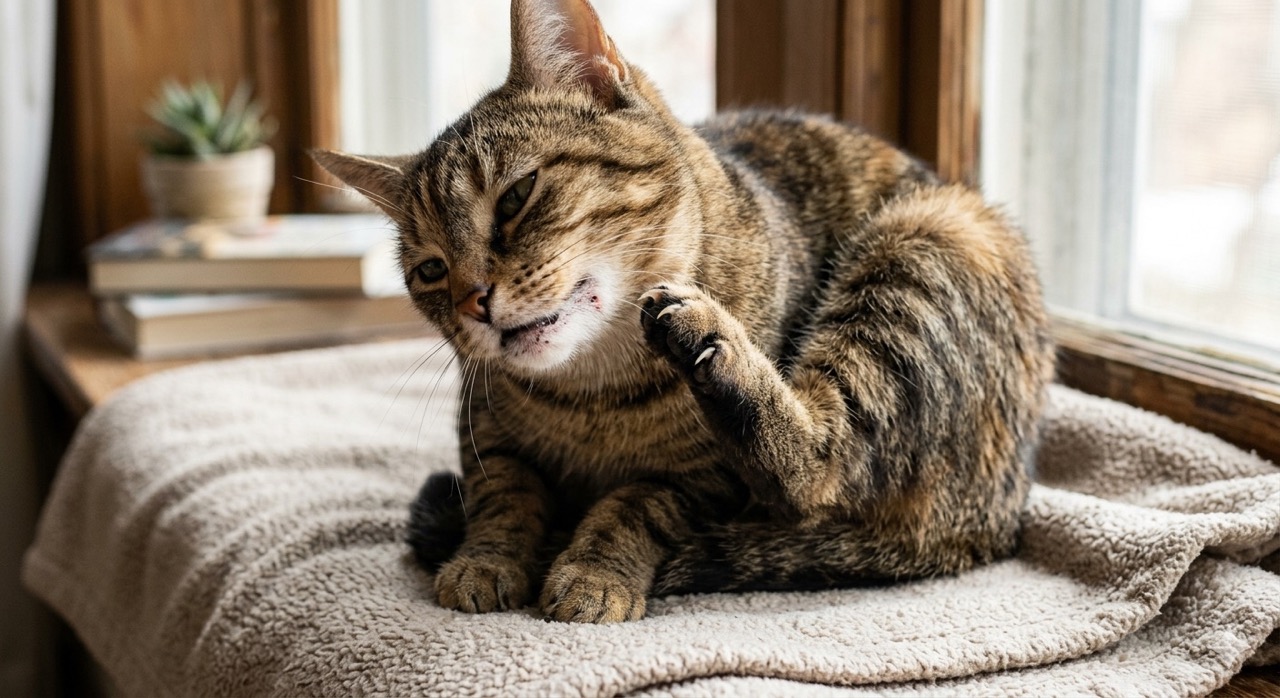
Feline acne is a common skin problem that affects the chin and lower lip of cats. It often begins as tiny black plugs in the hair follicles and may look like dirt that will not wipe off. In mild cases, it stays cosmetic. In moderate or severe cases, it can turn into red bumps, crusts, pustules, swelling, or infection.
This Earth Clinic guide covers the most effective natural remedies for feline acne, including the “bowl swap,” Epsom salt compresses, tea compresses, aloe vera, and gentle exfoliation techniques that help clear the chin without making it worse.
Quick Nav:
▸ What Is Feline Acne?
▸ Black Dirt on a Cat’s Chin: Is It Acne?
▸ Common Causes
▸ Top Natural Remedies
▸ Epsom Salt Compress for Infected Acne
▸ Green Tea & Black Tea Compresses
▸ Daily Cleaning & The Flea Comb Technique
▸ The Bowl Swap & Whisker-Friendly Feeding
▸ When Feline Acne Becomes Infected
▸ What to Avoid
▸ When to See a Veterinarian
Feline acne happens when the follicles on the chin become clogged with oil (sebum), keratin, food debris, and bacteria.
Some cats only get an occasional flare, while others struggle with chronic chin problems.
A very common search phrase is “black dirt on my cat’s chin.” In many cases, that “dirt” is actually feline acne.
If the area is also red, greasy, swollen, or tender, acne is even more likely.
Many cats are simply not good at cleaning their own chins, especially after eating wet food.
Important: Coconut oil can be too heavy for some cats and may worsen clogged pores if overused. A very thin layer is enough.
Once feline acne becomes red, swollen, or bumpy, a warm Epsom salt compress can help draw out infection and open the pores more effectively than plain water.
Repeat once or twice daily if tolerated.
Tea compresses are simple, accessible, and often very effective for moderate feline acne.
This works especially well when the chin is damp, irritated, or mildly infected.
Consistency is the key to clearing feline acne.
A fine-toothed flea comb is one of the best tools for lifting away the black “peppery” specks after the chin has been softened with a warm compress.
This is often more precise and less irritating than a toothbrush.
Plastic bowls are the most famous trigger for feline acne, but bowl shape matters too.
Wiping the chin after meals can make a major difference, especially in cats that eat canned food.
Earth Clinic insight: For many cats, the winning combination is simple: shallow dish, no plastic, daily chin wipe.
Mild blackheads are one thing. Infection is another.
At this point, gentle drying compresses, Epsom salt, aloe vera, and antimicrobial wipes may help—but more advanced cases often need veterinary treatment.
Hydrogen peroxide is generally too drying for repeated use and can damage healthy tissue. That said, some people use a very diluted, one-time cleaning to help break down a waxy buildup of chin debris. It should not be a daily acne remedy.
Most mild cases respond well to home care, but stubborn or infected feline acne may require prescription treatment or a closer look for an underlying issue.
Share Your Experience: What natural remedies worked best for your cat’s chin acne or blackheads?