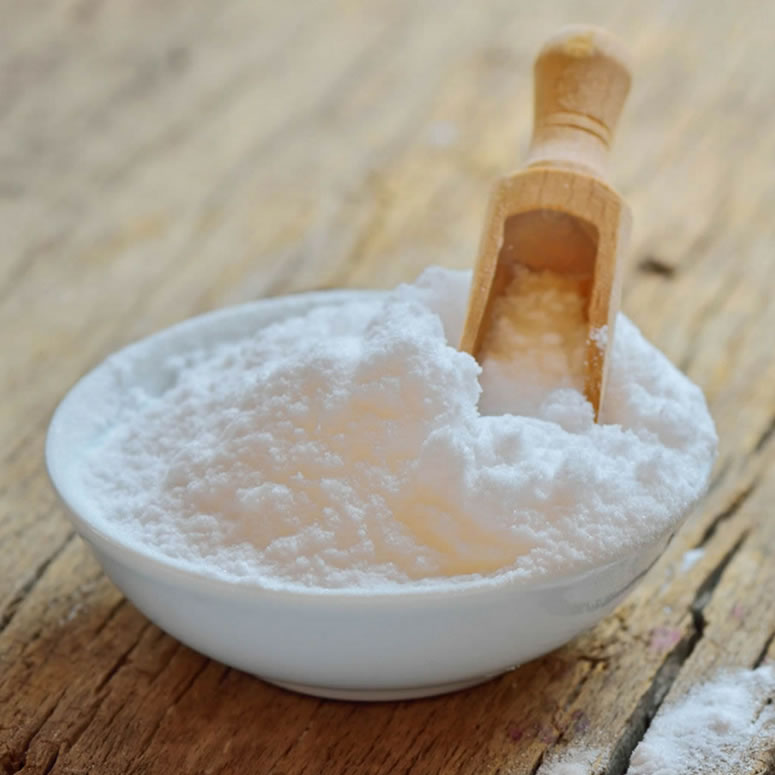
Baking soda (sodium bicarbonate) has been used for generations as a home remedy for minor burns, sunburn, skin irritation, itching, and razor burn. Many Earth Clinic readers report that it may temporarily calm stinging, reduce discomfort, and soothe inflamed skin when used carefully.
However, baking soda is also a highly alkaline substance. In 2026, skin barrier science has become increasingly focused on the importance of preserving the skin’s protective lipid layer and maintaining proper acid-base balance after injury.
When used improperly, baking soda may disrupt the skin barrier and worsen irritation. When used correctly — especially as a diluted compress rather than a thick paste — many users report rapid temporary relief from minor irritation and first-degree burn discomfort. ...
Baking soda (sodium bicarbonate) has been used for generations as a home remedy for minor burns, sunburn, skin irritation, itching, and razor burn. Many Earth Clinic readers report that it may temporarily calm stinging, reduce discomfort, and soothe inflamed skin when used carefully.
However, baking soda is also a highly alkaline substance. In 2026, skin barrier science has become increasingly focused on the importance of preserving the skin’s protective lipid layer and maintaining proper acid-base balance after injury.
When used improperly, baking soda may disrupt the skin barrier and worsen irritation. When used correctly — especially as a diluted compress rather than a thick paste — many users report rapid temporary relief from minor irritation and first-degree burn discomfort.
This article explores how baking soda may work for burns, why dilution matters, and how to support epidermal barrier repair after thermal trauma.
At a Glance: Baking Soda for Minor Burns
May temporarily calm stinging and irritated skin.
Diluted compresses are usually safer than thick pastes.
Burns should always be cooled under running water first.
Overuse may disrupt the skin’s acid mantle and increase dryness.
Not appropriate for deep, blistering, or severe burns.
How Baking Soda May Help Burns
Baking soda may help minor burns through its sodium bicarbonate buffering capacity.
When tissue is damaged by heat or irritation, inflammatory processes may create:
Lactic acid build-up
Metabolic waste accumulation
Local pH imbalance
Neurogenic inflammation
These acidic inflammatory byproducts may irritate nerve endings and contribute to the familiar burning or stinging sensation.
Sodium bicarbonate acts as a temporary chemical buffer, helping absorb excess hydrogen ions and calm irritated tissues.
This may explain why many readers report rapid soothing effects after using diluted baking soda compresses on:
Minor kitchen burns
Sunburn
Razor burn
Heat rash
Insect stings
Skin irritation
2026 Skin Science Insight: Researchers increasingly recognize that first-degree burn neurogenic inflammation involves not only heat damage, but also pH disruption, oxidative stress, and inflammatory nerve signaling.
The Alkaline Paradox & Acid Mantle
One of the most important things to understand about baking soda is that it is highly alkaline.
Baking soda typically has a pH around:
pH 8.3–9.0
Healthy skin, however, maintains a naturally acidic protective surface called the acid mantle, usually around:
pH 4.5–5.5
This acidic environment helps:
Protect beneficial skin bacteria
Reduce pathogen growth
Maintain lipid integrity
Prevent excessive water loss
Support epidermal barrier repair
If baking soda remains on the skin too long, its alkalinity may:
Disrupt the acid mantle
Increase dryness
Strip protective lipids
Increase trans-epidermal water loss (TEWL)
Delay skin barrier recovery
This is why many practitioners now favor an Acid Mantle Preservation Protocol using diluted compresses rather than thick alkaline pastes.
Cooling the Burn First
Before using any home remedy, the burn should first be cooled properly.
Critical Safety Rule: Run cool (not ice-cold) water over the burn for at least 10–20 minutes before applying baking soda or any topical remedy.
This step helps remove retained thermal energy from the tissues.
Applying a thick paste too early may trap heat inside the skin and potentially drive thermal injury deeper into tissue layers.
Some practitioners believe this can occasionally worsen tissue damage or increase blistering risk.
Diluted Compress Method
The diluted compress method is often considered the gentlest and safest approach.
How to Make a Compress
Mix 1–2 teaspoons baking soda into 1 cup cool water.
Soak a soft cloth in the solution.
Apply gently for 10–15 minutes.
This method may help:
Reduce stinging
Cool irritated skin
Buffer acidic inflammatory byproducts
Minimize excessive alkalinity exposure
Many readers find compresses significantly less irritating than thick pastes.
Lukewarm Baking Soda Soaks
Baking soda soaks are commonly used for widespread mild sunburn or heat rash.
Typical Soak Method
Add 1/2 to 1 cup baking soda to a lukewarm bath.
Soak for 10–15 minutes.
Pat skin dry gently.
Some readers combine baking soda with:
Colloidal oatmeal
Aloe vera
Chamomile tea
Epsom salt
Colloidal oatmeal is especially popular because it may help reduce itching while supporting skin barrier lipids.
Thin Paste Method
Some users apply a thin baking soda paste for:
Insect stings
Localized itching
Small irritated areas
How to Prepare
Mix baking soda with enough water to form a very thin paste.
Apply lightly for 2–3 minutes only.
Rinse thoroughly with cool water.
Leaving thick pastes on too long may:
Dry the skin excessively
Damage the acid mantle
Increase TEWL
Cause additional irritation
Application Safety Profiles
Method
Best Used For
Maximum Duration
Post-Care Requirement
Diluted Compress
Localized minor kitchen burns, razor burn
10–15 minutes
Rinse with cool water, apply lipid-rich oil
Lukewarm Soak
Widespread mild sunburn, heat rash
15 minutes
Pat dry, apply ceramide lotion immediately
Thin Paste
Insect bites, small localized stings
2–3 minutes max
Wash off thoroughly to protect the acid mantle
Ceramide & Skin Barrier Recovery
After using baking soda, restoring the skin barrier becomes extremely important.
Because sodium bicarbonate may temporarily strip protective fatty acids from the skin, many practitioners now recommend aggressive lipid replenishment afterward.
This may help reduce:
Dryness
Barrier disruption
TEWL
Post-inflammatory irritation
Popular aftercare ingredients include:
Ceramides
Squalane
Cholesterol-containing creams
Aloe vera
Colloidal oatmeal
Vitamin E oil
Some readers also support healing internally with:
Vitamin C
Zinc
Protein intake
Collagen support
Vitamin C is especially important for collagen repair and epidermal barrier recovery after thermal trauma.
Healing Timeline
Stage
What You May Notice
Suggested Support
First 24 Hours
Heat, redness, stinging
Cool running water and diluted compresses
Days 2–3
Dryness or peeling
Ceramides, aloe vera, and hydration
Days 4–7
Reduced tenderness
Barrier repair and sun protection
Week 2+
Skin tone normalizes
Continue moisturization and UV protection
When to Avoid Baking Soda
Seek medical care immediately for:
Large burns
Deep burns
Blistering burns
Electrical burns
Facial burns
Signs of infection
Breathing difficulty after burns
Important: Persistent redness, pus, fever, severe swelling, or worsening pain may indicate infection or deeper tissue injury requiring professional medical care.
Conclusion
Baking soda remains a popular traditional remedy for soothing minor burns, sunburn, itching, and skin irritation. Modern skin barrier science suggests that its benefits likely relate to temporary pH buffering and calming of inflammatory nerve signaling.
However, because sodium bicarbonate is strongly alkaline, dilution and proper aftercare are essential. Many practitioners now recommend diluted compresses, careful timing, and aggressive skin barrier restoration using ceramides and lipid-rich moisturizers.
Continue reading below to explore Earth Clinic reader experiences using baking soda for burns, sunburn relief, itching, razor burn, and skin irritation support.