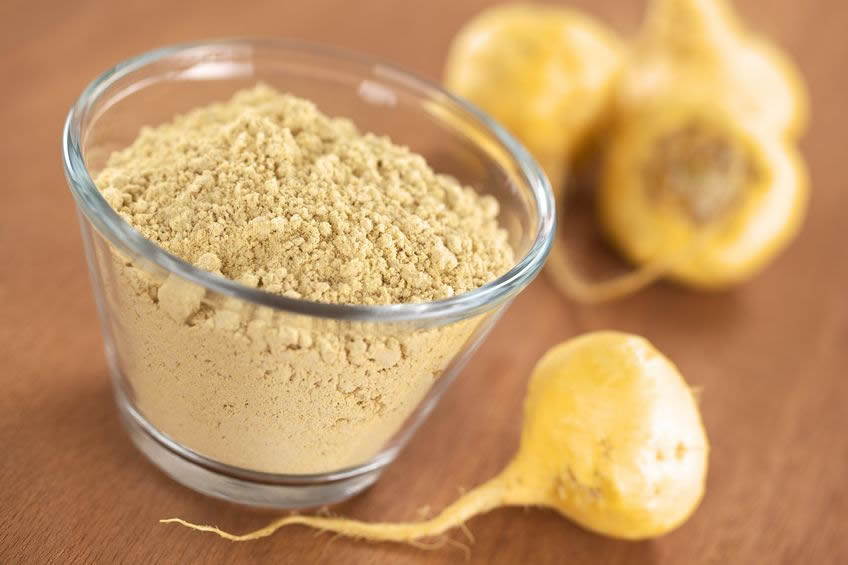
Maca root (Lepidium meyenii), a superfood from the high Andes mountains of Peru, has been used for centuries to enhance vitality. This powerful root vegetable is a potent adaptogen, meaning it helps the body naturally adapt to physical and emotional stressors.
Unlike hormonal treatments, Maca does not contain hormones. Instead, it nourishes the endocrine system—specifically the hypothalamus and pituitary glands—to help your body produce its own hormones in balanced amounts. This makes it a popular natural remedy for energy, libido, and hormonal symptoms in both men and women.
⚠️ Important Medical Disclaimer
Maca has a powerful effect on the endocrine system. Do not use it if you are pregnant, breastfeeding, have a hormone-sensitive condition (e.g., estrogen-positive breast cancer), uncontrolled thyroid disease, or are on medications affected by vitamin K or hormone assays, without consulting your doctor. Always discuss new supplements with a healthcare provider.
Top Health Benefits of Maca
Maca is nutrient-dense, containing protein, fiber, essential minerals (magnesium, calcium, zinc, iron), and B vitamins. Its benefits are wide-ranging:
- Boosts Energy & Stamina: Provides a natural, non-jittery energy boost. It’s often used by athletes and active individuals.
- Enhances Libido: Traditionally used to increase sexual desire and function in both men and women.
- Balances Hormones: As an adaptogen, it supports the body in regulating its own hormone production.
- Relieves Menopause Symptoms: Many report fewer hot flashes, night sweats, and mood swings with consistent use.
- Reduces PMS & Anxiety: May help stabilize mood and lessen common PMS symptoms.
- Supports Fertility: Traditionally used to support fertility. Some studies suggest potential improvements in sperm parameters in men.
What the Research Says
Overall quality: Human studies on maca are typically small and vary in preparation (raw vs. gelatinized; color types), dose, and duration. Early evidence suggests benefits for libido/sexual function, menopausal comfort, mood/energy, and some male fertility markers. Larger, longer trials are still needed.
- Sexual health: Several clinical trials report improved sexual desire in men and women at daily doses around 1.5–3 g for 6–12 weeks.
- Menopausal symptoms: Small studies suggest reductions in hot flashes and improved mood/sleep quality.
- Mood & energy: Preliminary data and user reports point to improved vitality and reduced fatigue, especially with gelatinized preparations.
- Male fertility: Some trials observe improvements in sperm concentration and/or motility parameters, though findings are not uniform.
- Metabolic markers: Preclinical work shows promising effects on glucose/lipid metabolism and cellular energy pathways; human confirmation is limited.
Evidence note: Benefits often appear after 3–6 weeks of consistent intake. Gelatinized maca is used in many studies due to better digestibility.
Weight Changes: Gain vs. Loss
Because maca can influence energy, mood, and perceived vitality—and may gently support endocrine balance—some users report weight changes while taking it. Here’s what to know:
- No definitive proof: There are no large, high-quality human trials proving maca directly causes weight gain or weight loss.
- Why weight may change: Improved energy can increase activity levels (potentially supporting weight loss). Conversely, appetite changes or hormonal shifts might contribute to weight gain in some individuals.
- Age & context matter: Midlife hormone changes (peri/menopause, andropause) can alter how people respond. Some report leaner body composition with better training; others notice temporary bloating or increased appetite.
- Practical tip: If body weight is a concern, start low, track appetite/energy, and reassess at the 4–6 week mark. Adjust dose, timing, or pause if unwanted changes occur.
Which Maca is Right for You? (Raw vs. Gelatinized)
Choosing the right type of maca is crucial for getting results and avoiding side effects.
- Raw Maca: Powdered root in its most unprocessed state. While it retains native enzymes, the heavy starches can be tough to digest for many people, leading to gas, bloating, or stomach upset.
- Gelatinized Maca (Recommended): The root is heated and pressurized to remove most starches. This improves digestibility and concentrates active compounds for better bioavailability.
Maca Colors Explained: Yellow, Red, or Black?
Maca comes in three main colors, each with slightly different traditional uses. All provide core benefits, but you can target your goals:
- Yellow Maca: Most common and affordable—great all-purpose option for energy, mood, and general hormone support. Ideal starting point.
- Red Maca: Often chosen for women’s hormone balance, mood, and bone support; also studied for prostate health in men.
- Black Maca: Rarest type, traditionally associated with male vitality/libido, stamina/endurance, and memory/focus for all sexes.
How to Use Maca & Dosages
- Start Low, Go Slow: Begin with 1/2–1 teaspoon of gelatinized maca powder daily (≈1.5–3 g), or follow capsule directions totaling a similar amount.
- Timing: Take in the morning (or before lunch) to avoid insomnia or a “wired” feeling at night.
- Build Gradually: If well tolerated, increase to 2–3 g/day. Some users take up to ~5 g/day, but higher doses aren’t always necessary.
- Cycle It (Optional): Many people take maca 5–6 days/week with 1 day off, or 4 weeks on / 1 week off. Cycling is a practical approach; robust data are limited.
Pro Tip: If you experience digestive upset, switch to gelatinized maca, reduce the dose, or take it with food.
Quality, Sourcing & Storage
- Choose reputable brands: Look for third-party testing (e.g., NSF, USP, or other independent labs) to reduce the risk of contamination and ensure potency.
- Country of origin: Peruvian-grown maca is traditional; some products blend or standardize active compounds (e.g., macamides).
- Storage: Keep powder tightly sealed in a cool, dark place. Use within the “best by” window for peak potency and flavor.
What Earth Clinic Readers Say
Our readers have used maca for years with notable results. The most common feedback includes:
- Hot Flash Relief: Many women report that taking red maca daily helps reduce hot flashes and night sweats within 1–2 weeks.
- Energy Boost: “Clean,” non-jittery energy that some compare to coffee without the crash.
- Libido: Men and women frequently report increases in sexual desire and stamina.
- Digestive Comfort: Switching from raw to gelatinized maca often resolves gas or bloating.
Cautions and Potential Side Effects
While maca is a food, it is potent. Potential side effects include:
- Insomnia or feeling “wired” (especially if taken later in the day)
- Digestive distress (more common with raw maca): gas, bloating, stomach upset
- Headache, anxiety, or jitteriness (usually from too high a starting dose)
- Temporary acne, cycle changes, or spotting as hormones adjust
Use caution or avoid unless medically cleared if you have: hormone-sensitive conditions (e.g., estrogen-positive cancers, endometriosis), thyroid disorders (goitrogens may affect some individuals), are pregnant/breastfeeding, or take medications such as warfarin (vitamin K content) or undergo hormone testing (possible lab interference). Quality and sourcing matter—choose third-party-tested products.
Frequently Asked Questions
- How long does it take for maca to work?
- Energy benefits may be felt quickly. For hormonal effects (PMS/menopause/libido), be consistent for 3–6 weeks.
- Does maca contain estrogen or testosterone?
- No. Maca contains no hormones. It’s considered an adaptogen that supports the body’s own hormone-balance mechanisms.
- What’s the best maca to start with?
- Gelatinized Yellow Maca is a great, affordable starting point for general energy and balance. Adjust to red or black based on goals.
- Can maca help with weight gain or weight loss?
- There’s no definitive clinical proof that maca directly causes weight change. Some people report changes due to appetite, energy, or training intensity. Monitor your response and adjust.
Share Your Experience!
Have you tried maca root? Which type and dosage worked for you? Please share your story in the comments below.