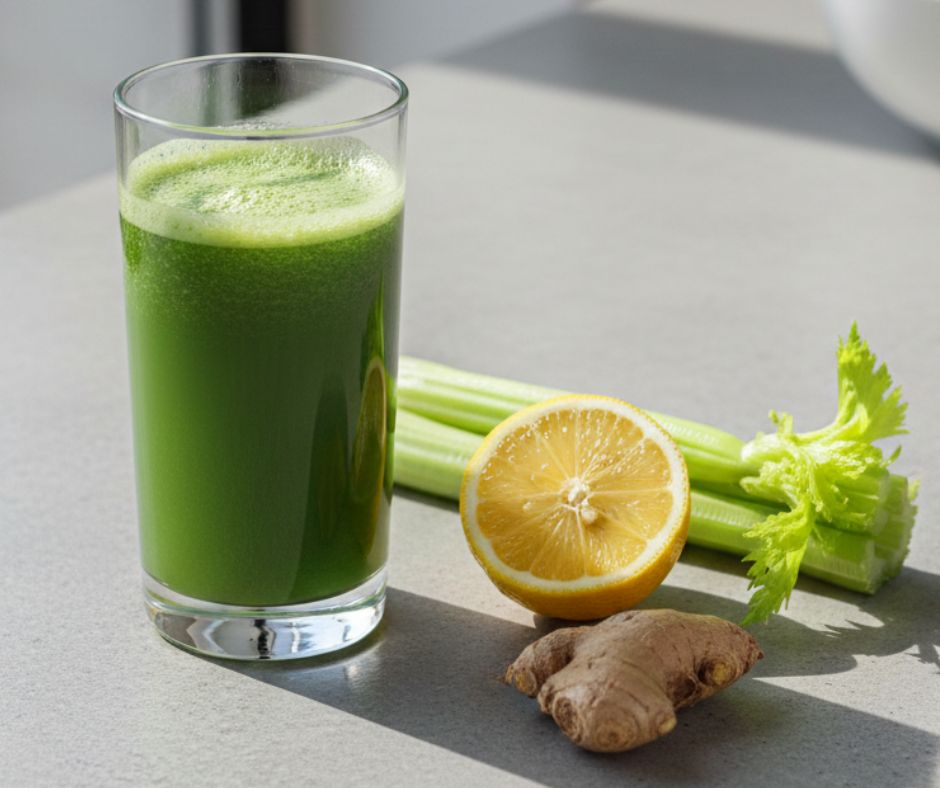
Juicing is one of the fastest ways to deliver a concentrated dose of plant nutrients—vitamins, minerals, polyphenols, and natural nitrates—into the body. Earth Clinic readers often use juicing for energy, digestion support, skin glow, hydration, and as a practical “reset” when healthy routines slip.
This 2026 guide focuses on real-world juicing: what it can do, what it cannot do, the best ingredients for specific goals, how equipment choice affects nutrient quality, and how to juice safely if you’re sensitive to blood sugar swings, kidney stones, or thyroid issues.
Quick Nav:
▸ What Juicing Can Do
▸ Fiber, Blood Sugar & Absorption
▸ Centrifugal vs. Masticating Juicers
▸ Best Ingredients (Earth Clinic Favorites)
▸ Remedy-Style Juice Recipes
▸ The Bioavailability Hack (Add Fat)
▸ When to Drink Juice
▸ Safety: Pesticides, Oxalates & Thyroid
▸ Storage & Food Safety
▸ FAQ
Earth Clinic reality check: Juicing can be a powerful nutrient tool, but it’s not a long-term substitute for whole foods. The goal is to raise your overall nutrient intake, not replace balanced meals.
What Juicing Can Do
- Deliver micronutrients quickly: vitamin C, folate, potassium, polyphenols (ingredient-dependent).
- Improve hydration: many benefits are simply from better fluid + mineral intake.
- Support circulation: beets (nitrates) can support blood flow and exercise performance.
- Increase vegetable intake: juicing often kickstarts better food choices overall.
Fiber, Blood Sugar & Absorption (Why Juice Feels Different)
Removing most fiber concentrates sugars and speeds absorption. This is why juice can feel energizing for some and “crashy” for others.
- Vegetable-forward juices: steadier energy than fruit-heavy blends.
- Pairing with food: a small protein/fat snack can blunt blood sugar spikes.
- Some nutrients absorb better: cell walls are broken down by juicing.
Centrifugal vs. Masticating Juicers (Does the Machine Matter?)
Earth Clinic readers often ask whether their juicer “kills nutrients.” The short answer: the type of juicer does matter for heat and oxidation.
- Centrifugal (high-speed) juicers: spin fast, introduce more air, and generate slight heat. This can increase oxidation and degrade some heat-sensitive enzymes and phytonutrients. Juice is best consumed immediately.
- Masticating (slow/cold-press) juicers: crush produce at low speed, producing less heat and oxidation. Juice retains nutrients better and stores longer in the fridge.
Practical takeaway: If you already own a centrifugal juicer, use it and drink juice fresh. If buying new and you plan to juice regularly, a slow juicer preserves nutrients better and stores longer.
Best Ingredients (Earth Clinic Favorites)
Base Vegetables (Low Sugar, High Value)
- Cucumber: hydration, gentle on digestion.
- Celery: mineral-rich, classic “morning reset.”
- Romaine / leafy greens: folate and phytonutrients (rotate greens; see thyroid note below).
- Carrot: beta-carotene for skin and antioxidant support.
Digestive & Gut Repair (Earth Clinic Classic)
- Raw cabbage juice: a legendary folk remedy for peptic ulcers and gut lining repair due to its Vitamin U (S-methylmethionine) content. Start with small amounts and dilute with cucumber or carrot if the taste is strong.
- Ginger: nausea relief and digestive stimulation.
Functional Boosters
- Beets: circulation and stamina support.
- Turmeric (small amounts): inflammatory balance (absorption improves with fat + black pepper).
- Lemon/lime: flavor + vitamin C.
- Parsley/cilantro: mineral-dense; use sparingly for flavor.
Remedy-Style Juice Recipes
1) Morning Mineral Reset
- 2–3 celery stalks
- 1 cucumber
- 1/2 lemon
- Optional: small knob ginger
2) Circulation & Energy (Beet Support)
- 1 small beet
- 2 carrots
- 1/2 lemon
3) Gut Repair Support (Cabbage Blend)
- 1 cup raw cabbage
- 1 cucumber
- 1 carrot
Start low with cabbage: Cabbage juice can cause gas in sensitive guts. Begin with a few ounces and work up slowly.
The Bioavailability Hack: Add a Little Fat
Many “glow” nutrients in juice are fat-soluble and poorly absorbed without fat.
- Fat-soluble nutrients: beta-carotene (carrots), vitamin K (greens), curcuminoids (turmeric).
- Simple fix: add 1/2 teaspoon extra virgin olive oil or a clean omega oil directly into the juice and stir.
Why this matters: Without fat, many of the nutrients you’re juicing for skin and anti-inflammatory benefits pass through with limited absorption.
When to Drink Juice
- Morning: biggest perceived energy boost for many.
- Midday: vegetable juice instead of caffeine.
- Pre-workout: beet juice (trial on non-critical days first).
Safety: Pesticides, Oxalates & Thyroid Considerations
Juice organic whenever possible: Juicing concentrates residues. Thin-skinned produce like celery, apples, and leafy greens consistently rank high on “Dirty Dozen” lists. Prioritize organic for these.
- Oxalates: Spinach and beet greens are high-oxalate. If stone-prone, rotate greens (romaine, arugula, kale) and avoid daily spinach-based juices.
- Thyroid (goitrogens): Raw crucifers (kale, bok choy, cabbage, broccoli) can interfere with iodine uptake if consumed in very large raw amounts daily. If you have thyroid issues, rotate greens and lean more on cucumber, celery, parsley, and romaine rather than daily raw kale juice.
- Blood sugar: fruit-heavy juice can cause crashes; keep fruit minimal.
- Medication interactions: Vitamin K–rich greens matter for some blood thinners; grapefruit interacts with many drugs.
Storage & Food Safety
- Fresh is best: nutrients degrade with light and air.
- If storing: fill glass jars to the top, seal tightly, refrigerate, and use within 24 hours (longer if cold-pressed).
- Wash produce well: especially leafy greens.
- Clean juicer promptly: residue ferments quickly.
FAQ
Is juicing better than eating whole vegetables?
They serve different roles. Whole vegetables provide fiber for gut health and blood sugar stability; juicing concentrates micronutrients and hydration. Most people benefit from both.
Can juicing heal the gut?
Juicing can support hydration and nutrient delivery. Raw cabbage juice is a classic supportive remedy for gut lining repair, but juicing alone does not replace medical care for ulcers or H. pylori.
Share Your Juicing Remedy (Reader Submissions): Tell us your goal (energy, digestion, skin, blood pressure), exact ingredients, how often you used it, and what changed (and how fast).