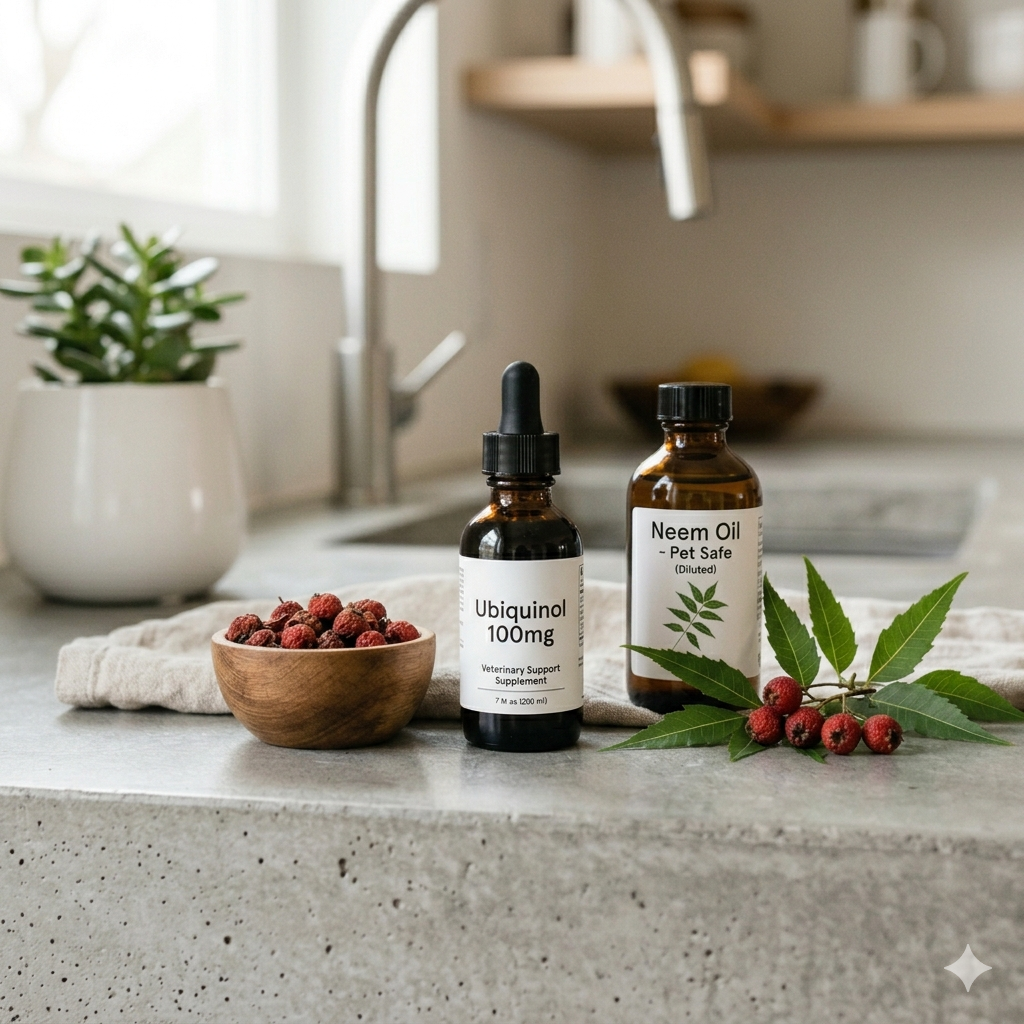
At a Glance: 2026 Heartworm Support Strategy
Heartworm is a serious parasitic infection caused by the mosquito-borne roundworm Dirofilaria immitis. Adult worms live in the heart, lungs, and nearby blood vessels, where they can trigger inflammation, coughing, fatigue, breathing problems, and long-term heart damage.
This 2026 Earth Clinic guide covers natural ways to support prevention, mosquito protection, heart health, and recovery during or after veterinary treatment. Natural remedies may help strengthen the body, but they are not a substitute for proper testing, prescription prevention, or treatment when heartworm is confirmed.
Quick Nav:
▸ What Is Heartworm?
▸ The Wolbachia Factor
▸ Prevention & Mosquito Control
▸ Natural Heart Support
▸ Liver / Fluid Support
▸ Black Walnut & Wormwood
▸ MDR1 Warning
▸ Recovery During Treatment
▸ What to Avoid
▸ When to See a Vet
Heartworm is spread through mosquito bites. Microscopic larvae enter the bloodstream and gradually mature into adult worms over several months.
Because adult worms can live for years and lodge in the heart and pulmonary arteries, untreated heartworm can become life-threatening.
One of the biggest 2026 updates in heartworm care is understanding Wolbachia—a symbiotic bacteria that lives inside heartworms.
When heartworms die (naturally or from treatment), they release Wolbachia, which can trigger:
This is one reason many veterinarians use doxycycline before adult heartworm treatment—to weaken Wolbachia and reduce inflammatory reactions.
Earth Clinic insight: Supporting inflammation naturally with omega-3s, antioxidants, and strict rest may help dogs tolerate conventional treatment better—but this should complement, not replace, veterinary protocols.
Reducing mosquito exposure is the most important natural strategy.
Important: Annual heartworm testing is still essential, even if you use natural prevention methods.
Supports heart muscle energy and recovery.
Traditionally used to support circulation and cardiac resilience.
May help reduce inflammation in the lungs and heart.
May support general parasite resilience but does not kill heartworms.
Supports liver recovery during medications.
Dandelion root is a gentle, potassium-sparing herb sometimes used to support dogs with mild fluid retention.
Note: Significant fluid buildup (ascites) needs prompt veterinary evaluation. Dandelion is only supportive—not a substitute for proper treatment.
Black walnut and wormwood are often searched as “natural heartworm cures” because they have antiparasitic properties.
However:
Important: Avoid home “worm-kill” protocols. Sudden worm die-off can cause fatal lung blockages.
Some breeds carry the MDR1 gene mutation, which makes them unusually sensitive to many antiparasitic drugs—and sometimes even strong herbs.
Common at-risk breeds:
If your dog is an at-risk breed, ask your vet about MDR1 testing before starting heartworm prevention or treatment.
During treatment, keeping your dog calm is one of the most important natural supports.
Earth Clinic insight: Crate rest and calm recovery can be life-saving because exertion increases the risk of lung complications from dying worms.
If your dog tests positive for heartworm, work closely with your veterinarian. Natural remedies may support comfort and recovery, but should never replace professional treatment.
Share Your Experience: What helped your dog most with heartworm prevention or recovery? Continue reading below to learn which remedies helped our readers!