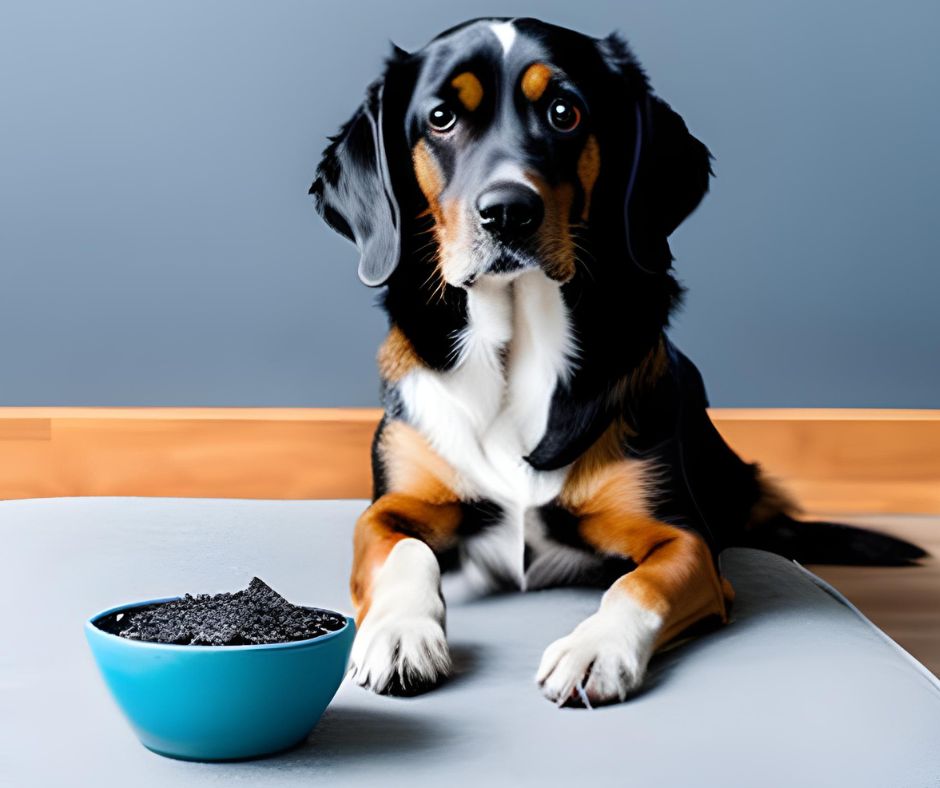
Activated charcoal powder can be a valuable emergency tool for dogs and cats when used correctly. It is best known for helping bind certain toxins in the digestive tract before they are fully absorbed, but it may also be used in some situations to support pets dealing with diarrhea, vaccine reactions, and topical swelling from bites or stings.
Because activated charcoal is powerful but not appropriate for every situation, pet owners should understand when it may help, when it should be avoided, and when urgent veterinary care is the safest option. Keeping activated charcoal on hand can be wise, but knowing how and when to use it matters just as much as having it in the cabinet.
Activated charcoal is highly porous and works by binding many toxins inside the digestive tract so they can leave the body in the stool instead of being absorbed. This is why it is commonly used after certain accidental poisonings. It can also be useful in some non-poisoning situations, though those uses are more supportive than curative.
Activated charcoal is best known for emergency use after a pet swallows something potentially toxic. In the right case, and when used promptly, it may reduce how much of the toxin is absorbed. Speed matters. The sooner it is given after ingestion, the more helpful it is likely to be.
Activated charcoal may help calm some cases of diarrhea by binding irritating substances in the gut. It is often used as a short-term supportive remedy, especially when a pet has eaten something that upset the stomach.
Some pet owners use activated charcoal internally or externally after a vaccine reaction. Internally, it may be used as a general detoxifying support; externally, it can be applied as a poultice over an irritated injection site.
Activated charcoal poultices are commonly used on bites, stings, and swollen areas. When applied topically, charcoal may help draw out irritants and reduce inflammation.
In puppies with Parvo, activated charcoal is sometimes used as part of a broader supportive care plan, particularly when severe diarrhea is present. It should not replace veterinary treatment, but some pet owners have found it helpful as an adjunctive measure. Learn more about activated charcoal for parvo.
When activated charcoal is used for poisoning, the goal is to bind the toxin while it is still in the stomach or upper digestive tract. For best results, it should usually be administered as soon as possible—ideally within 60 minutes, and generally no later than 1 to 2 hours after ingestion.
Once a poison has moved farther into the intestines or has already been absorbed into the bloodstream, charcoal becomes much less effective. If you suspect your pet swallowed something dangerous several hours ago, or you are unsure when it happened, contact your veterinarian or a pet poison helpline immediately.
Activated charcoal does not bind every toxin. Pet owners should know that it is ineffective or poorly effective against some dangerous substances, including:
If your dog or cat ingests xylitol, do not rely on charcoal. Xylitol poisoning can become an emergency very quickly, and immediate veterinary care is essential.
Activated charcoal is not a cure-all and should not be used in every poisoning case.
Caustic substances can burn the mouth, throat, and stomach. In those cases, charcoal does not help and may complicate evaluation. Likewise, if a pet inhales charcoal into the lungs, aspiration pneumonia can result, which can be very serious or even fatal.
Activated charcoal is highly absorbent and may pull water into the digestive tract. This can worsen dehydration in a pet that is already losing fluids from vomiting, diarrhea, fever, or critical illness.
Always make sure fresh water is available after a dose unless your veterinarian has instructed otherwise. In some cases, especially with very sick pets, electrolyte support or veterinary fluid therapy may be more appropriate.
Pet owners should also expect the following:
The black stool can be surprising if you are not expecting it, but it is usually normal after charcoal use.
Activated charcoal comes in several forms, including powder, capsules, and tablets. The best option depends on the situation and how quickly you need to give it.
Veterinary-grade activated charcoal products are often designed specifically for poisoning cases. Some include sorbitol, a cathartic ingredient that acts as a laxative to help move the bound toxin out of the body more quickly. Human over-the-counter charcoal capsules and powders usually do not contain sorbitol.
Store-bought human-grade charcoal can still be helpful in some emergencies, but pet owners should know that veterinary products may be preferred in poisoning cases because they are formulated for that purpose. In some situations, a veterinarian may recommend additional measures to reduce the chance of a toxin being released and reabsorbed later in the intestines.
Activated charcoal can often be found in pharmacies, health food stores, feed stores, and online retailers. Powder is especially useful to keep on hand because it works well for slurries and poultices. If you want an emergency supply for pets, having a plain powdered form in the house is often the most practical choice.
The following chart reflects practical home-use amounts commonly used by pet owners. These amounts are for general guidance only. In a true poisoning emergency, veterinary dosing may differ depending on the toxin, the pet’s condition, and whether repeat doses are needed.
| Pet Weight | Activated Charcoal Amount |
| Under 5 pounds | 1/32 teaspoon (about 1/4 tablet or capsule) |
| 5 to 12 pounds | 1/16 teaspoon (about 1/2 tablet or capsule) |
| 12 to 25 pounds | 1/4 teaspoon (about 1 tablet or capsule) |
| 25 to 50 pounds | 1/2 teaspoon (about 2 tablets or capsules) |
| 50 to 100 pounds | 3/4 teaspoon (about 3 tablets or capsules) |
| 100 to 150 pounds | 1 teaspoon (about 4 tablets or capsules) |
| Over 150 pounds | 2 teaspoons (about 8 tablets or capsules) |
If your pet is critically ill and charcoal needs to be given by syringe, you can mix 4 tablespoons of activated charcoal powder into 1 cup of water or electrolyte solution. In this mixture, every 5 cc (5 ml) contains about 1/4 teaspoon of activated charcoal.
Helpful tip: Wear gloves when mixing charcoal slurry. It easily gets under fingernails and can be difficult to wash off skin, counters, grout, and fabric.
The ideal frequency depends on the reason for use. For simple stomach upset or diarrhea, a short-term single dose may be enough. In some poisoning cases, a veterinarian may recommend repeat doses, but that decision depends on the toxin involved and your pet’s hydration status.
More is not always better. Activated charcoal can contribute to constipation, dehydration, or fluid shifts in an already fragile pet, so monitor carefully and seek veterinary guidance in more serious cases.
Tablets or capsules can sometimes be hidden in cheese, meat, rice, or a soft treat. Powder may be mixed into a small amount of soft food such as plain canned food, pumpkin, or another tolerated food. For emergencies, a slurry mixed with water can be given by syringe if the dog is alert and swallowing normally.
For cats, crushed tablets or opened capsules may be mixed into a small amount of wet food such as tuna or plain canned cat food. Powder can also be blended into a slurry for syringe use, but only if the cat is fully alert and able to swallow safely.
Activated charcoal can also be used externally as a poultice to help soothe bites, stings, swelling, and irritated tissue.
For a visual guide, see this video from Earth Clinic’s Mama to Many on making a charcoal poultice.
Activated charcoal deserves a place in many pet households, but it should be treated as a targeted remedy, not an all-purpose antidote. It can be especially helpful when used promptly after certain toxic ingestions, and it also has practical uses for diarrhea, topical bites, and inflammation. Still, it is not effective for every poison and can be dangerous in the wrong situation.
If you suspect poisoning, remember the key rules: act fast, know what was swallowed, and do not give charcoal if your pet is weak, semi-conscious, swallowing poorly, or has ingested a corrosive chemical or petroleum product. When in doubt, call your veterinarian or a pet poison helpline immediately.
Continue reading below for feedback from Earth Clinic readers on using activated charcoal for dogs and cats. Have you used activated charcoal for your dog or cat? We would love to hear your experience.