Cataracts are a common age-related eye condition caused by the gradual clouding of the eye’s lens. This clouding develops from oxidative stress, protein glycation, impaired circulation, and depletion of the lens’s natural antioxidant systems—especially glutathione.
While surgery is the definitive treatment for advanced cataracts, many people use natural remedies to slow progression, protect the lens, and support eye health, particularly in early or moderate stages.
ALA is a unique antioxidant that helps regenerate glutathione, the lens’s primary internal defense system.
Typical dose: 300–600 mg daily
The lens contains very high concentrations of vitamin C, which helps prevent oxidative protein damage.
Typical dose: 500–1,000 mg daily (divided)
Protects lens lipids from free-radical damage and works synergistically with vitamin C.
Typical dose: 200–400 IU daily
These carotenoids filter blue light and reduce oxidative stress reaching the lens and retina.
Typical dose: 10–20 mg lutein and 2–4 mg zeaxanthin daily
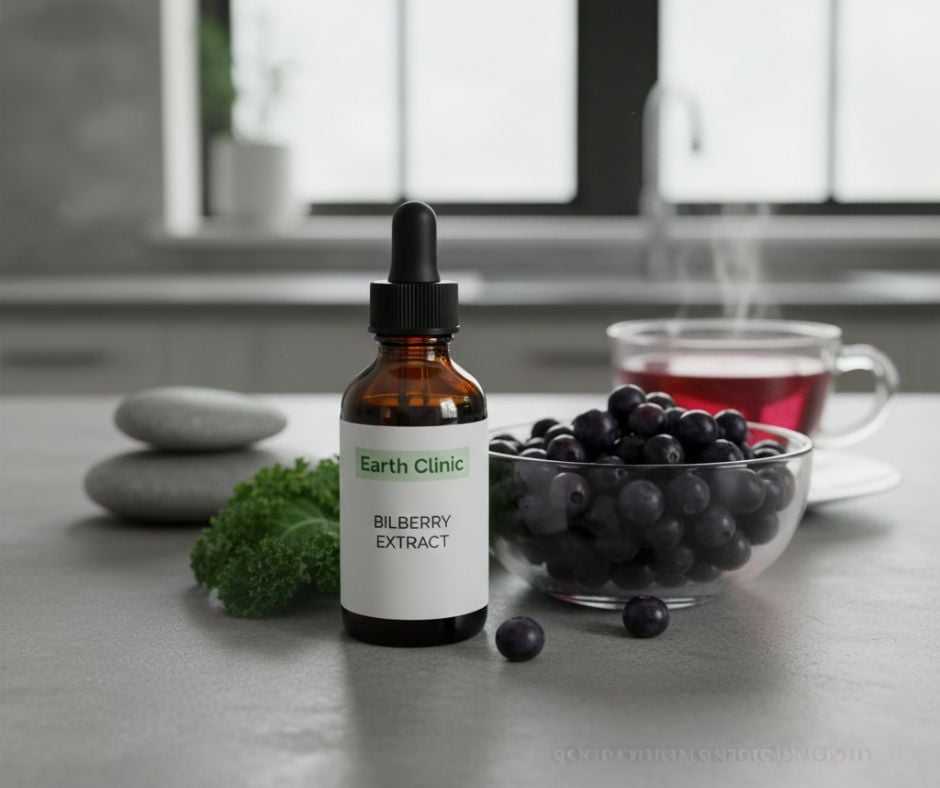
Bilberry strengthens the tiny capillaries that supply the eye, ensuring nutrients and antioxidants actually reach lens tissue.
Typical dose: 160–320 mg daily
Often called the “blood sugar vitamin,” benfotiamine helps block Advanced Glycation End-products (AGEs), which are a major contributor to cataract formation.
Typical dose: 150–300 mg daily
Earth Clinic Insight: Cataracts are sometimes referred to as “diabetes of the eye.” Even mildly elevated blood sugar can accelerate lens clouding.
One of the most discussed cataract remedies on Earth Clinic. These are specialized eye drops (often sold as Can-C) designed to penetrate the lens and help break down glycated lens proteins.
Important distinction: N-Acetyl-Carnosine (eye drops) is not the same as N-Acetyl-Cysteine (oral NAC). For cataracts, readers are referring specifically to the carnosine-based eye drops.
A long-standing traditional remedy with extensive anecdotal use.
Method: One drop of organic, hexane-free, cold-pressed castor oil in each eye before bed.
Readers report improved lubrication, reduced irritation, and gradual clarity improvement. This remedy remains controversial but widely used.
Some readers discuss highly diluted DMSO combined with glutathione eye drops.
The theory: DMSO may act as a carrier, helping glutathione penetrate deeper into ocular tissues where oxidative damage occurs.
This approach is considered experimental and should be approached with caution.
Safety Warning on DIY Eye Drops: The eye is extremely sensitive to pH and bacteria. Any substance placed in the eye must be sterile and properly prepared. Improper DIY eye remedies can cause permanent corneal damage.
Cataracts reflect cumulative oxidative and metabolic stress on the lens. While natural remedies cannot reverse advanced cataracts, many people successfully use antioxidant support, blood sugar control, and targeted eye therapies to slow progression and preserve visual clarity.
Scroll down to read Earth Clinic reader experiences and see which remedies others have found most helpful for cataracts.