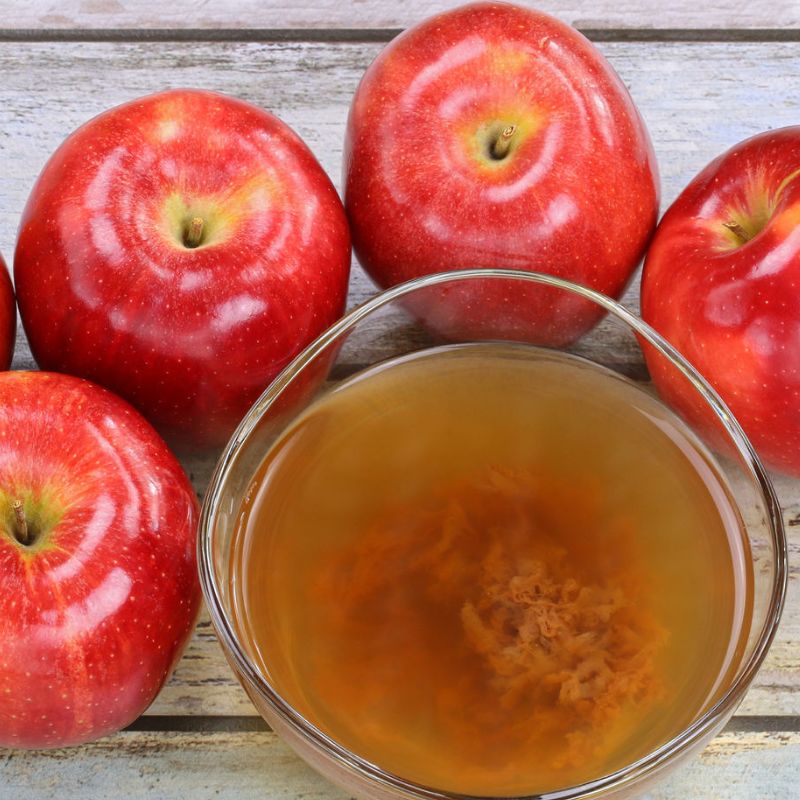
Apple cider vinegar (ACV) has become a popular home remedy among people looking for natural ways to support asthma management. While scientific research is limited, many individuals report that ACV seems to reduce the intensity or frequency of their symptoms when used alongside their regular asthma treatments. This article explores how apple cider vinegar may help and how some people choose to use it safely.
Understanding Apple Cider Vinegar and Asthma
Apple cider vinegar is made from fermented apples and contains acetic acid, trace vitamins and minerals, enzymes, and plant compounds. These components may help:
Support a healthy inflammatory response
Promote balanced digestion and gut health (which may indirectly support immunity)
Provide mild antimicrobial activity
Because inflammation and immune imbalance play a central role in asthma, some people find that ACV gives them general wellness support that seems to help their breathing over time. ...
Apple cider vinegar (ACV) has become a popular home remedy among people looking for natural ways to support asthma management. While scientific research is limited, many individuals report that ACV seems to reduce the intensity or frequency of their symptoms when used alongside their regular asthma treatments. This article explores how apple cider vinegar may help and how some people choose to use it safely.
Understanding Apple Cider Vinegar and Asthma
Apple cider vinegar is made from fermented apples and contains acetic acid, trace vitamins and minerals, enzymes, and plant compounds. These components may help:
Support a healthy inflammatory response
Promote balanced digestion and gut health (which may indirectly support immunity)
Provide mild antimicrobial activity
Because inflammation and immune imbalance play a central role in asthma, some people find that ACV gives them general wellness support that seems to help their breathing over time.
The Role of ACV in Asthma Relief
Reports from individuals with asthma suggest that regular use of apple cider vinegar may:
Help reduce mucus thickness and congestion in some people
Support calmer, more relaxed breathing
Possibly reduce the frequency or intensity of mild asthma flare-ups
It is important to note that these benefits are largely anecdotal. ACV has not been proven in clinical trials to treat or cure asthma, but it may serve as a complementary strategy within a broader, holistic plan.
How to Use Apple Cider Vinegar for Asthma
For best results, choose an organic, raw, unfiltered apple cider vinegar that contains the “mother” (the cloudiness in the bottle). This form is less processed and retains more natural compounds.
Common ways people use ACV for asthma support include:
Start low: Begin with 1 teaspoon of ACV mixed into a full glass of water once per day.
Increase gradually: If well tolerated, slowly increase to 1–2 tablespoons per day, divided into 1–2 doses.
Add honey: Combine ACV with a small amount of local raw honey to help soothe the throat and potentially support seasonal respiratory issues.
Use a straw: Drink through a straw when possible to reduce contact with tooth enamel.
Some people take ACV before meals to support digestion, which may indirectly benefit overall health and inflammation.
Precautions and Possible Side Effects
While apple cider vinegar is widely used as a remedy, it is not suitable for everyone. Potential side effects can include:
Digestive discomfort or nausea
Worsening heartburn or acid reflux in sensitive individuals
Tooth enamel erosion if taken undiluted or too frequently
Skin or throat irritation if used undiluted
To reduce risks, always dilute ACV in water, start with a small amount, and observe how your body responds. Consult your healthcare provider before using ACV regularly if you:
Take medications (especially for diabetes, blood pressure, or diuretics)
Have chronic digestive issues
Have kidney problems or other serious health conditions
Beyond Asthma: Other Potential Health Benefits of ACV
Many people use apple cider vinegar as a general wellness tonic. Traditionally, ACV has been associated with:
Supporting healthy digestion
Helping maintain balanced blood sugar levels (when used with diet and lifestyle changes)
Assisting in weight management efforts
Supporting healthy skin when used topically in diluted form
These additional benefits may make ACV a useful part of a broader holistic health routine for some individuals.
Conclusion
Apple cider vinegar may offer a gentle, natural complement to conventional asthma care for some people. While it should never replace prescribed inhalers or asthma medications, adding diluted ACV to your daily routine may provide extra support for overall health and, in some cases, easier breathing.
Always work with your healthcare provider before introducing new remedies, especially if you have moderate to severe asthma, need frequent inhaler use, or have a history of serious asthma attacks. Prompt medical care is essential for any worsening or sudden breathing difficulty.
Share Your Experience
Have you tried apple cider vinegar for asthma symptoms?
We invite you to share your experience. Continue reading to see how others have used ACV for asthma relief—and let us know what worked, what didn’t, and how you combined ACV with other natural or conventional treatments.
Join the Discussion
Have you tried apple cider vinegar for asthma? Share your results and read about others’ experiences with natural remedies. Your story may help someone else discover a supportive addition to their asthma care plan.