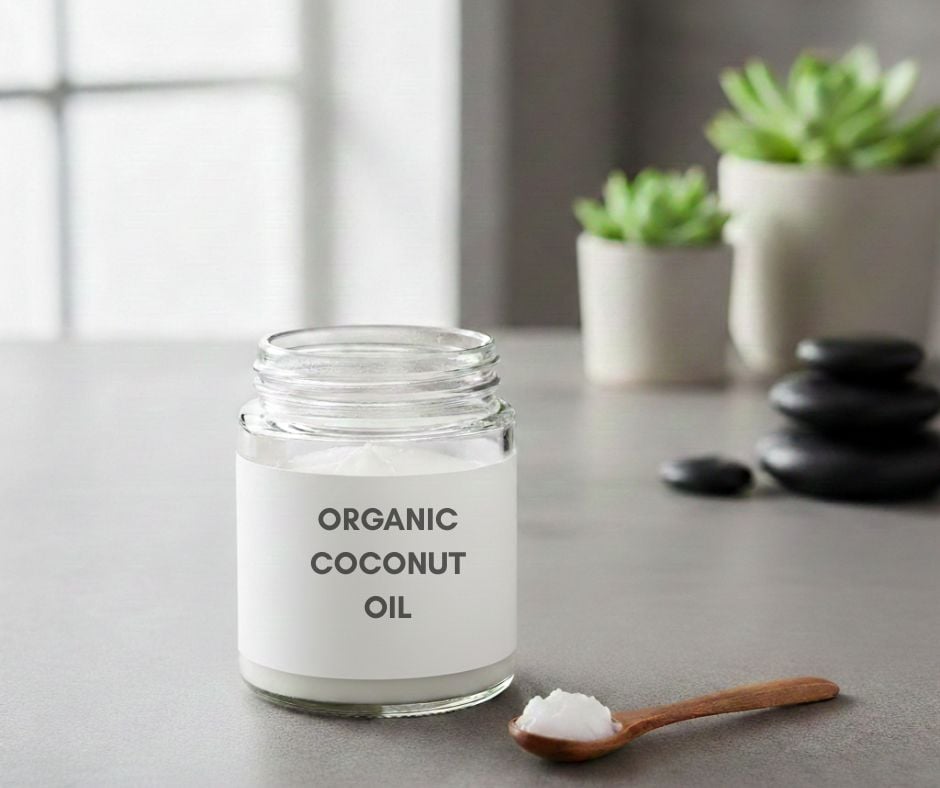
Coconut oil is a gentle, nourishing remedy Earth Clinic readers use for acid reflux, GERD, and silent reflux (LPR). It occupies a unique middle ground between a food and a therapeutic lubricant—working not by suppressing or increasing stomach acid, but by coating, calming, and protecting irritated tissue.
In 2026, coconut oil is also discussed as a microbiome-supportive remedy, especially when reflux is linked to gas, bloating, or low-grade infection rather than excess acid.
At a Glance: Coconut Oil for Reflux
- Forms a protective lipid barrier to coat and soothe an inflamed esophagus
- Contains lauric and caprylic acids to balance gut microbes and reduce gas pressure
- Ideal for "Silent Reflux" (LPR) where throat dryness is the dominant symptom
2026 Insight: Coconut oil does not neutralize acid. It forms a protective lipid layer that can soothe inflamed tissue while simultaneously discouraging gas-producing microbes that drive reflux pressure.
Quick Nav:
▸ Why Coconut Oil Helps
▸ The Candida & SIBO Connection
▸ H. pylori & Gastritis Support
▸ Dosage & Application Methods
▸ Silent Reflux (LPR) Specifics
▸ Selecting the Right Oil
▸ When to Avoid & Precautions
Why Coconut Oil May Help Acid Reflux
Coconut oil contains a distinctive profile of medium-chain fatty acids (MCFAs) that are easier to digest than long-chain fats and less likely to ferment in the gut.
- Lauric acid: Powerful antimicrobial and antifungal properties.
- Caprylic acid: Supports microbial balance and gut health.
- Natural lubrication: Provides a physical coat to the esophagus and stomach lining.
- Anti-inflammatory properties: May calm irritated mucosal tissues.
The Candida & SIBO Connection
A growing number of Earth Clinic readers report that their reflux improves when underlying SIBO (Small Intestinal Bacterial Overgrowth) or Candida/yeast overgrowth is addressed.
The Antifungal Angle: Lauric and caprylic acids in coconut oil are known to inhibit yeast and certain bacteria. If coconut oil helps your reflux, it may be reducing microbial gas that pushes stomach contents upward.
Coconut Oil and H. pylori Support
While coconut oil is not a stand-alone treatment for H. pylori, it is often used as a supportive strategy in gastritis-related reflux.
- MCFAs may disrupt bacterial lipid membranes.
- The oil layer may protect inflamed stomach tissue from acid contact.
- Often better tolerated than acidic remedies during acute gastritis flares.
How to Use Coconut Oil for Acid Reflux
Most Common Reader Method:
- ½ to 1 teaspoon of virgin or extra-virgin coconut oil.
- Let it melt slowly in the mouth, then swallow.
- Use between meals or before bedtime for overnight protection.
The Temperature Warning: Solid vs. Liquid
Important: If coconut oil is solid, allow it to melt in your mouth before swallowing. Gulping a solid chunk can feel heavy or uncomfortable in a sensitive esophagus.
Coconut Oil for Silent Reflux (LPR)
People with silent reflux often struggle with throat dryness, irritation, or a “raw” sensation rather than classic heartburn.
LPR Support: Coconut oil may soothe throat tissue without reactivating pepsin, unlike acidic remedies. Letting the oil coat the throat before swallowing is especially helpful.
Choosing the Right Coconut Oil
Best Choice:
- Virgin or extra-virgin.
- Cold-pressed and unrefined.
- Additive-free and organic.
The 2026 “Fractionated” Warning: Avoid fractionated coconut oil (MCT oil) for reflux. While it stays liquid, it lacks lauric acid, which is responsible for the soothing and antimicrobial effects.
When to Avoid & Precautions
- Gallbladder dysfunction: High fat intake may be difficult to digest.
- Fat sensitivity: May cause nausea or temporary bloating.
- Delayed gastric emptying: Added fats can sometimes slow digestion further.
Start Low: Begin with ½ teaspoon to assess tolerance.
What Earth Clinic Readers Say
Many readers find coconut oil works best as part of a layered approach: coating with oil, cooling with aloe, and addressing mechanical pressure with posture. Have you tried it? Share your experience below.